Steam Boiler Overview: Essential Knowledge, Functions, Benefits and Safety Insights
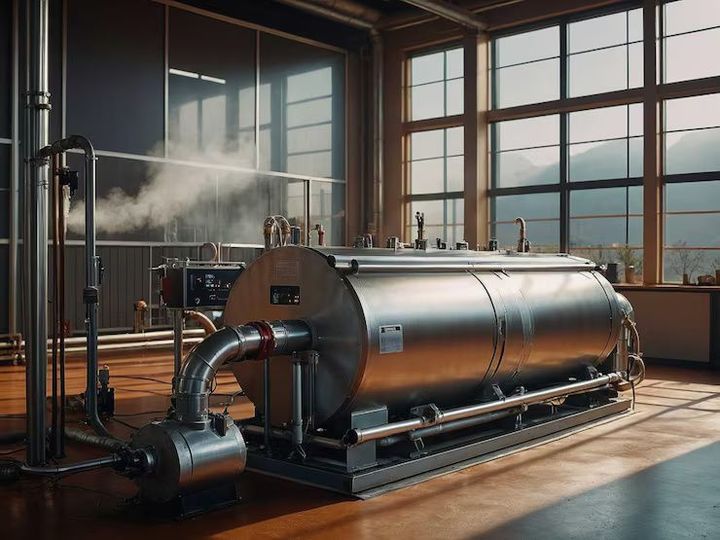
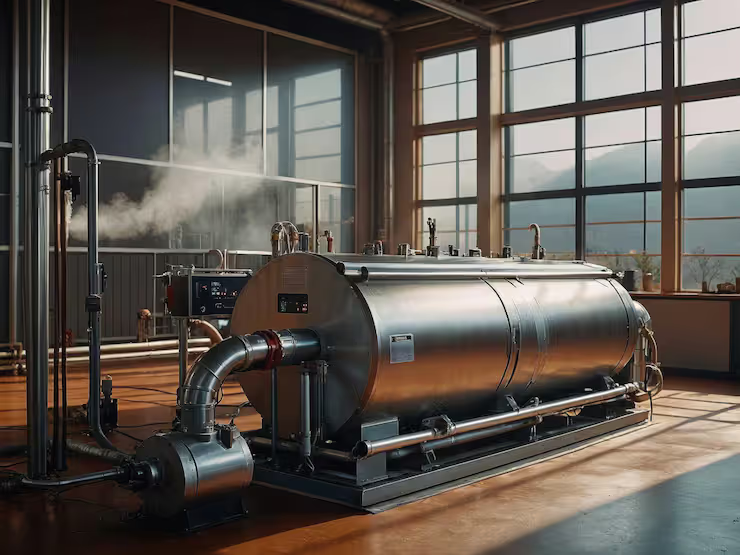
A steam boiler is a closed vessel designed to heat water and generate steam through the application of heat energy. This steam is then used for various industrial, commercial, and residential applications, including power generation, heating systems, and manufacturing processes.
Steam boilers exist because steam is an efficient medium for transferring heat and energy. When water converts into steam, it expands and carries thermal energy that can be used for mechanical work or heating. This principle has been essential since the Industrial Revolution and remains highly relevant in modern infrastructure.
Steam boilers operate using fuels such as natural gas, oil, coal, or electricity. They consist of several key components that ensure safe and efficient operation.
Key Components of a Steam Boiler
- Burner or heat source
- Combustion chamber
- Heat exchanger
- Steam drum
- Control systems and safety valves
Types of Steam Boilers
There are multiple types of steam boilers, each designed for specific industrial needs. Their structure and operation vary depending on pressure requirements and applications.
- Fire-tube boilers (hot gases pass through tubes surrounded by water)
- Water-tube boilers (water flows through externally heated tubes)
- Electric boilers
- High-pressure and low-pressure boilers
Steam boilers are widely used across industries such as energy production, food processing, pharmaceuticals, textiles, and chemical manufacturing.
Why Steam Boilers Matter in Modern Industries
Steam boilers play a crucial role in modern economies due to their efficiency and versatility. They support industrial automation, infrastructure, and large-scale energy systems.
Key Importance of Steam Boilers
- Enable power generation in thermal power plants
- Support manufacturing processes requiring heat and pressure
- Used in sterilization for healthcare and pharmaceuticals
- Provide heating in commercial and residential buildings
Operational Benefits
Steam boilers help industries overcome several operational challenges. They ensure stable and efficient energy usage across different applications.
- Efficient heat distribution across large facilities
- Consistent temperature control
- Reduced energy waste through controlled combustion
- Reliable operation in continuous processes
Industries That Rely on Steam Boilers
- Oil and gas processing
- Food and beverage manufacturing
- Textile production
- Paper and pulp industries
- Power generation plants
The increasing demand for energy-efficient systems has driven innovation in boiler technologies, focusing on reduced emissions and better fuel utilization.
Recent Developments and Trends in 2025
Steam boiler technology has advanced significantly, especially in efficiency and environmental performance. Modern systems are increasingly digital and environmentally conscious.
Key Trends in 2025
- Adoption of low-emission and carbon-reduction systems
- Integration of Industrial IoT (IIoT) for smart monitoring
- Growth of hybrid boilers using renewable energy
- AI-based predictive maintenance systems
Digital boiler management systems now monitor parameters like pressure, temperature, and fuel consumption in real time. This improves efficiency and reduces downtime.
Hydrogen-ready boilers are also gaining attention, supporting alternative fuel usage and decarbonization efforts. Energy efficiency regulations are encouraging upgrades to modern systems.
Traditional vs Modern Boiler Features
| Feature | Traditional Boilers | Modern Smart Boilers |
|---|---|---|
| Monitoring | Manual | Automated (IoT-based) |
| Efficiency Level | Moderate | High |
| Emission Control | Limited | Advanced |
| Maintenance Approach | Reactive | Predictive |
These innovations highlight the shift toward sustainable and intelligent energy systems.
Regulations and Safety Policies
Steam boilers are strictly regulated due to the risks associated with high pressure and temperature. Compliance ensures safe and reliable operation.
Regulations in India
- The Boilers Act, 1923
- Indian Boiler Regulations (IBR)
- State-level inspection authorities
Key Regulatory Focus Areas
- Design and manufacturing standards
- Regular inspection and certification
- Operator training and safety
- Pressure and temperature control systems
Global Standards
- ASME Boiler and Pressure Vessel Code (USA)
- European Pressure Equipment Directive (PED)
- ISO industrial safety standards
Essential Safety Features
- Pressure relief valves
- Automatic shutdown systems
- Water level indicators
- Temperature and pressure sensors
Compliance helps reduce accidents, protect workers, and improve environmental performance while maintaining consistent production quality.
Tools and Resources for Steam Boiler Management
Modern steam boiler systems rely on digital tools for monitoring and optimization. These tools enhance efficiency, safety, and maintenance planning.
Common Tools Used
- Boiler efficiency calculators
- Energy monitoring software
- Industrial IoT dashboards
- Maintenance scheduling systems
- Combustion analysis tools
Useful Resources
- Engineering design software
- Online training modules
- Government compliance portals
- Industry research reports
Key Performance Indicators (KPIs)
| Parameter | Purpose |
|---|---|
| Steam Pressure | Ensures stable energy output |
| Temperature | Maintains process consistency |
| Fuel Efficiency | Optimizes energy usage |
| Emission Levels | Supports environmental compliance |
These metrics are often integrated into centralized systems for real-time monitoring and decision-making.
Additional Insights on Efficiency and Performance
Efficiency is a major focus in steam boiler operations. Modern systems aim to maximize output while minimizing fuel consumption and emissions.
Factors Affecting Efficiency
- Fuel quality
- Heat loss through exhaust gases
- Insulation effectiveness
- Maintenance practices
Energy Distribution in Boilers
| Energy Use Area | Approximate Share |
|---|---|
| Useful Steam Output | 70–85% |
| Heat Loss (Flue Gas) | 10–20% |
| Radiation Loss | 2–5% |
Understanding these factors helps industries improve performance and reduce environmental impact.
Frequently Asked Questions
What is the main function of a steam boiler?
A steam boiler generates steam by heating water under controlled conditions. This steam is used for heating, power generation, and industrial processes.
What is the difference between fire-tube and water-tube boilers?
Fire-tube boilers pass hot gases through tubes surrounded by water, while water-tube boilers circulate water inside heated tubes. Water-tube boilers are more suitable for high-pressure applications.
Why is boiler safety important?
Boilers operate under high pressure and temperature, which can be dangerous if not managed properly. Safety systems and regulations help prevent accidents and ensure reliable performance.
What fuels are commonly used in steam boilers?
Common fuels include natural gas, oil, coal, biomass, and electricity. Some modern boilers also support alternative fuels like hydrogen.
How can boiler efficiency be improved?
Efficiency can be improved through regular maintenance, advanced monitoring systems, optimized combustion, and upgrading to modern designs.
Conclusion
Steam boilers remain a vital component of modern industry and infrastructure. They enable efficient heat and energy transfer across sectors such as power generation, manufacturing, and healthcare.
With advancements in digital monitoring, energy efficiency, and alternative fuels, boiler technology continues to evolve. Regulations and safety standards ensure these systems operate responsibly and reliably.
Understanding steam boilers, their applications, and management tools helps individuals and organizations make informed decisions about industrial energy systems.