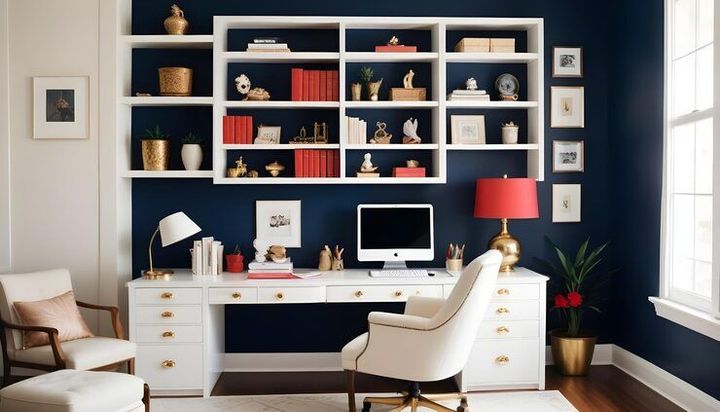
Study Room Modular Cabinets Overview: Learn Design and Functionality
A well-organized study room supports focus, productivity, and comfort. Modular cabinets have become a practical solution for creating efficient study environments without overwhelming the space. They combine flexibility with thoughtful design, allowing you to adapt storage and layout to changing needs.
This guide explores how study room modular cabinets work, what design options exist, and how to use them effectively. Whether for students, professionals, or shared family spaces, understanding their functionality helps in creating a balanced and clutter-free study area.
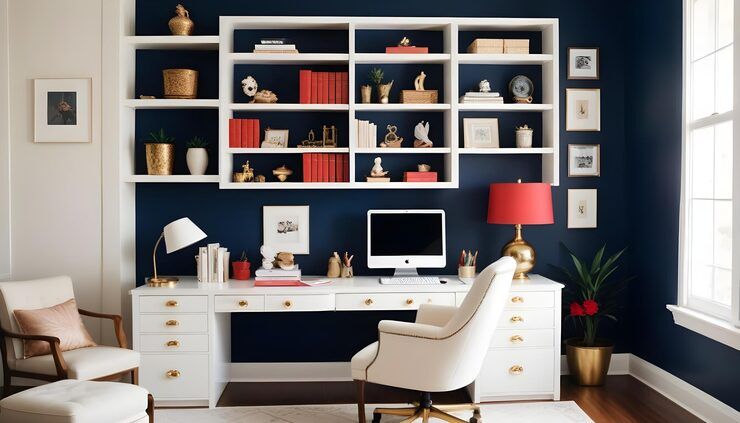
What Are Study Room Modular Cabinets?
Modular cabinets are pre-designed storage units made in sections or modules. These modules can be combined, rearranged, or expanded based on available space and requirements. Unlike fixed furniture, they offer adaptability and scalability.
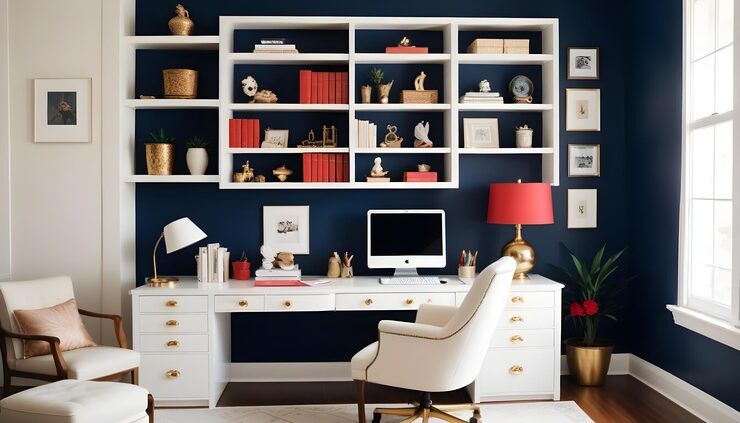
In a study room, modular cabinets typically include shelves, drawers, closed compartments, and sometimes integrated desks. Their structure allows users to organize books, documents, stationery, and digital devices in a systematic way.
They are especially useful in modern homes where space optimization is important. Instead of bulky furniture, modular systems create a clean and structured layout.
Key Design Elements of Modular Cabinets
Design plays a major role in how effective a study cabinet system becomes. It is not only about appearance but also usability and comfort.
Layout and Configuration
The layout defines how modules are arranged within the room. Common configurations include:
- Wall-mounted units for saving floor space
- Floor-to-ceiling cabinets for maximum storage
- Corner units to utilize unused areas
- Floating shelves for a minimal look
Each layout suits different room sizes and user preferences. Smaller rooms benefit from vertical storage, while larger rooms allow more expansive designs.
Materials and Finishes
Material selection affects durability and visual appeal. Common options include engineered wood, plywood, and metal frameworks. Finishes can range from matte laminates to glossy surfaces or textured designs.
Light-colored finishes create an open and airy feel, while darker tones provide a more formal and focused atmosphere. The choice often depends on the overall theme of the study room.
Storage Components
Modular cabinets are made up of various components that serve specific purposes:
- Open shelves for frequently used items
- Closed cabinets for storing confidential or less-used materials
- Drawers for stationery and small accessories
- File organizers for documents
Combining these components ensures both accessibility and neatness.
Functional Benefits of Study Room Modular Cabinets
Functionality is where modular cabinets truly stand out. They are designed to make daily study or work routines smoother and more efficient.
One major benefit is customization. Users can choose the number of shelves, drawer sizes, and cabinet heights based on their needs. This ensures that every item has a designated place.
Another advantage is space optimization. Modular systems make use of vertical and horizontal space effectively, reducing clutter and improving movement within the room.
They also support better organization. When everything is arranged systematically, it becomes easier to locate items quickly, saving time and reducing distractions.
Additionally, modular cabinets can adapt over time. As study requirements change, new modules can be added or rearranged without redesigning the entire room.
Popular Styles and Design Trends
Study room modular cabinets come in a variety of styles to match different preferences and interiors. Choosing the right style enhances both functionality and visual harmony.
Minimalist Design
Minimalist cabinets focus on simplicity and clean lines. They use neutral colors and avoid excessive detailing. This style works well in modern study rooms where clarity and focus are priorities.
Contemporary Style
Contemporary designs combine functionality with modern aesthetics. They often include a mix of open and closed storage, sleek handles, and smooth finishes.
Traditional Look
Traditional cabinets feature classic wood tones and detailed craftsmanship. They provide a warm and timeless feel, suitable for more formal study environments.
Multi-Functional Units
These designs integrate desks, shelves, and storage into a single unit. They are ideal for compact spaces where maximizing utility is essential.
Comparing Cabinet Features
The following table provides a simple comparison of key modular cabinet features and their benefits:
| Feature | Description | Benefit |
|---|---|---|
| Adjustable Shelves | Shelves that can be repositioned | Flexible storage options |
| Closed Cabinets | Units with doors | Keeps items protected and tidy |
| Open Shelving | Exposed storage sections | Easy access to frequently used items |
| Drawer Units | Sliding compartments | Organizes small items efficiently |
| Wall-Mounted Units | Attached to walls | Saves floor space |
| Corner Modules | Designed for corners | Utilizes unused areas |
This comparison highlights how each feature contributes to a more organized and functional study room.
Planning the Right Cabinet Setup
Creating an effective modular cabinet setup requires thoughtful planning. It is not just about selecting modules but also about arranging them in a way that supports daily activities.
Start by assessing the available space. Measure the room dimensions and identify areas where cabinets can be installed without obstructing movement.
Next, consider storage needs. Think about the types of items that need to be stored, such as books, files, gadgets, or decorative elements. This helps in choosing the right combination of shelves, drawers, and cabinets.
Lighting is another important factor. Ensure that cabinets do not block natural light. Incorporating built-in lighting within cabinets can also improve visibility and add a modern touch.
Ergonomics should not be overlooked. Frequently used items should be placed at accessible heights, while less-used items can be stored in higher or lower sections.
Maintenance and Organization Tips
Maintaining modular cabinets ensures they remain functional and visually appealing over time. Regular cleaning and organization are essential.
Here are some useful tips:
- Keep frequently used items within easy reach
- Avoid overloading shelves to maintain durability
- Use organizers within drawers for better arrangement
- Clean surfaces regularly to prevent dust buildup
- Periodically review and declutter stored items
Consistent maintenance not only extends the lifespan of cabinets but also keeps the study environment efficient and comfortable.
Advantages for Different Users
Study room modular cabinets are suitable for a wide range of users. Their flexibility allows them to meet diverse needs.
Students benefit from organized storage for books, notebooks, and study materials. A structured environment can improve concentration and learning efficiency.
Professionals working from home can use modular cabinets to store documents, devices, and office supplies. This helps create a productive workspace separate from other living areas.
Families with shared study spaces can use modular systems to allocate storage for different members. This reduces confusion and keeps the space organized.
Adapting for Small Spaces
In smaller rooms, modular cabinets can be tailored to maximize efficiency. Wall-mounted units and vertical storage are particularly useful.
Using compact modules and multi-functional designs helps maintain a balance between storage and open space. This prevents the room from feeling crowded.
Enhancing Aesthetics
Beyond functionality, modular cabinets also contribute to the overall look of the study room. Coordinating colors, finishes, and layouts with the room’s theme creates a cohesive design.
Simple additions like decorative items, indoor plants, or subtle lighting can enhance the visual appeal without compromising usability.
Conclusion
Study room modular cabinets offer a smart and adaptable approach to organizing study spaces. Their modular nature allows users to customize layouts, optimize storage, and maintain a clean environment.
By understanding design elements, functional benefits, and planning strategies, it becomes easier to create a study room that supports productivity and comfort. Whether for academic use or professional work, modular cabinets provide a practical foundation for an efficient and organized space.