Study Table With Light Integration: Explore Ergonomic Designs for Focused Learning
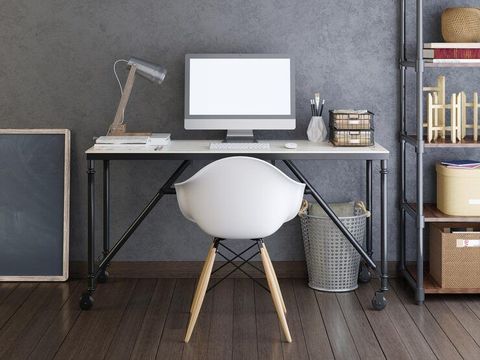
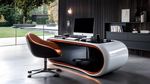
A study table with light integration is more than just a piece of furniture. It combines the functionality of a workspace with built-in lighting solutions to improve focus, comfort, and productivity. Traditionally, students, professionals, and creative individuals relied on separate desk lamps, which often cluttered the workspace or provided insufficient lighting. Integrated lighting solves these issues by offering a streamlined design where the illumination is directly embedded in the desk, ensuring an even light spread across the working area.
Modern integrated study tables come in a variety of styles, from minimal LED strips under the desktop to adjustable overhead lighting systems. These designs support tasks such as reading, writing, computer work, and creative activities.
They also adapt to changing brightness needs throughout the day, helping users maintain comfort and focus in different lighting conditions.
Why Study Tables With Light Integration Are Important
Good lighting plays a crucial role in effective studying and working. Poor illumination can cause eye strain, fatigue, and reduced productivity over time.
Integrated lighting ensures consistent brightness and better control, making it easier to work for extended periods without discomfort.
Who Benefits From These Tables
- Students: Improved focus during study sessions and exam preparation
- Professionals: Well-lit workspace for meetings and detailed tasks
- Creative Individuals: Better color accuracy for design and artwork
- Remote Learners: Ergonomic setups that reduce physical strain
Integrated lighting also supports proper posture by allowing users to adjust light angles. This reduces glare and helps maintain a comfortable working position.
Recent Trends and Updates in Study Table Design
Study tables with built-in lighting have evolved significantly in recent years. Innovations now focus on comfort, sustainability, and smart features.
Smart LED Lighting
Modern tables include adjustable LED lights with features such as:
- Touch controls
- Brightness dimming
- Memory settings
- Adjustable color temperatures
These options allow users to customize lighting based on tasks and preferences.
Sustainable Materials
Manufacturers are increasingly using eco-friendly materials such as:
- Bamboo
- Recycled wood
- Low-VOC coatings
This shift helps reduce environmental impact while maintaining durability.
Compact and Modular Designs
With limited living space in urban areas, compact and multifunctional designs are gaining popularity. Many tables now include:
- Built-in storage
- Charging ports
- Wireless charging pads
Health-Focused Features
Some models incorporate blue light filters to reduce eye strain. These features also support better sleep cycles by minimizing disruption to natural rhythms.
User Preference Trends
| Year | Preference for Built-in Lighting |
|---|---|
| 2024 | Moderate adoption |
| 2025 | Over 60% user preference |
This trend highlights the growing demand for integrated lighting solutions in home workspaces.
Regulations and Standards Affecting Study Tables
Although these tables are consumer products, they must follow certain safety and design guidelines. These standards ensure safe and efficient usage.
Key Compliance Areas
- Electrical Safety Standards: Compliance with IS 302-1 (India) and IEC 60598 ensures safe lighting systems
- Energy Efficiency Guidelines: LED lighting helps reduce electricity consumption
- Ergonomic Recommendations: Suggested desk height (28–30 inches) and lighting levels (300–500 lux)
Following these guidelines improves both safety and usability.
Tools and Resources for Optimal Setup
Several tools can help users create an efficient and comfortable study environment. These resources support lighting, posture, and productivity.
Helpful Tools
- Lighting Calculators: Determine ideal brightness levels
- Ergonomic Apps: Tools like ErgoSuite and Workrave for posture tracking
- Productivity Apps: Forest, Toggl, and Focus Booster for time management
- Design Platforms: Pinterest, Houzz, and Behance for workspace ideas
- DIY Guides: Instructions for installing LED strips and adjustable lighting
Using these tools allows users to customize their setup for better performance and comfort.
Choosing the Right Lighting for Your Study Table
Selecting the right lighting setup is essential for productivity and eye health. Different factors influence the effectiveness of integrated lighting.
Key Factors to Consider
- Brightness Level: 300–500 lux is ideal for reading and writing
-
Color Temperature:
- Cool white (5000–6500K) improves alertness
- Warm white (2700–3000K) creates a relaxed environment
- Positioning: Overhead lighting reduces shadows, while under-shelf lighting minimizes glare
- Energy Efficiency: LED lights provide high brightness with low power consumption
Lighting Type Comparison
| Lighting Type | Advantages | Best For |
|---|---|---|
| LED Strip | Even lighting, energy-efficient | General desk tasks |
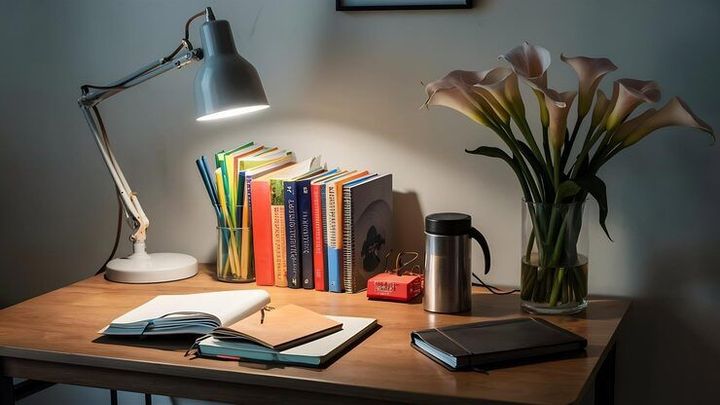
| Adjustable Lamp Arm | Focused lighting, flexible angles | Drawing, reading |
| Overhead Panel | Shadow-free, wide coverage | Multi-tasking |
| Color-Adjustable Lighting | Improves comfort and adaptability | Long study or work sessions |
FAQs About Study Tables With Light Integration
What is the ideal height for a study table?
A standard height of 28–30 inches (71–76 cm) suits most adults. Adjustable tables are recommended for children or shared use.
Can integrated lighting reduce eye strain?
Yes, proper lighting reduces glare, flicker, and shadows. This helps minimize eye strain during long study sessions.
Are integrated lights energy-efficient?
Most integrated systems use LED technology. LEDs consume less power and last longer than traditional bulbs.
Can lighting be customized?
Many modern tables allow adjustments in brightness and color temperature. Some also offer touch or app-based controls.
Are these tables suitable for multiple tasks?
Yes, they are designed for versatility. Users can perform reading, writing, computer work, and creative tasks on the same surface.
Conclusion
Study tables with light integration offer a practical solution for modern learning and working environments. They combine ergonomic design, efficient lighting, and workspace organization to enhance comfort and productivity.
With innovations such as smart LEDs, modular features, and sustainable materials, these tables continue to evolve. By understanding lighting needs and using the right tools, users can create a workspace that supports focus, health, and efficiency.