Telemedicine Device Manufacturing Insights: Trends Shaping Remote Healthcare
Telemedicine device manufacturing is an important part of modern healthcare technology.
These devices support communication between patients and healthcare professionals when in-person visits are not possible or practical. As internet connectivity and digital technologies have improved, telemedicine devices have become more common in homes, clinics, and healthcare facilities.
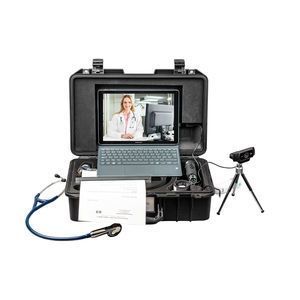
Telemedicine devices include a wide range of equipment designed to collect, transmit, and analyze health information remotely. Examples include remote patient monitoring devices, wearable telemedicine devices, digital thermometers, blood pressure monitors, glucose monitoring systems, and wireless patient monitoring systems. These tools help healthcare providers review patient data without requiring frequent physical appointments.
The concept of remote healthcare has existed for decades, but advances in communication technology have accelerated its development. Telehealth device manufacturers now focus on creating connected healthcare devices that can securely share medical information through digital networks. This approach helps support healthcare access in rural areas, improves monitoring of chronic conditions, and assists healthcare professionals in managing patient care from a distance.
As healthcare systems continue adopting digital technologies, telemedicine equipment suppliers and manufacturers are developing more sophisticated products that combine sensors, software, connectivity, and data management capabilities.
Importance
Supporting Access to Healthcare
One of the main reasons telemedicine devices have gained attention is their ability to support healthcare access across different locations. People living in remote regions may face challenges reaching healthcare facilities regularly. Virtual healthcare devices can help bridge some of these geographic barriers by enabling remote consultations and monitoring.
Managing Chronic Conditions
Chronic disease monitoring devices play a significant role in ongoing health management. Individuals with conditions such as diabetes, heart disease, or respiratory disorders often require regular monitoring.
Remote patient monitoring systems allow healthcare professionals to track health indicators over time. This can help identify changes in a patient's condition and support informed clinical decisions.
Reducing Healthcare Burden
Healthcare facilities often experience increasing demand for medical resources. Home healthcare monitoring equipment can help reduce unnecessary visits by enabling routine monitoring from home.
This approach may improve efficiency while allowing healthcare providers to focus attention on patients who require direct medical intervention.
Improving Patient Engagement
Many connected healthcare devices provide users with access to their own health information. Seeing personal health data can encourage greater awareness of wellness habits and treatment plans.
Patients who actively monitor their health may better understand trends in their medical conditions and communicate more effectively with healthcare professionals.
Supporting Aging Populations
Many countries are experiencing growth in older populations. Wearable telemedicine devices and medical monitoring devices can help support independent living by tracking vital signs and alerting healthcare providers when necessary.
Recent Updates
Growth of Wearable Technologies
One of the most visible trends in telemedicine device manufacturing is the expansion of wearable technologies. Modern wearable telemedicine devices can monitor heart rate, activity levels, sleep patterns, oxygen saturation, and other health metrics.
Manufacturers continue to improve device comfort, battery life, and sensor accuracy to support long-term use.
Artificial Intelligence Integration
Artificial intelligence is becoming increasingly common in digital health devices. AI-powered systems can analyze large amounts of patient data and identify patterns that may require medical attention.
While healthcare professionals remain responsible for clinical decisions, AI tools can assist by highlighting potential concerns and supporting data interpretation.
Increased Connectivity
Telehealth device manufacturers are investing in improved connectivity options. Wireless patient monitoring systems now often support cloud-based data transmission, allowing healthcare information to be shared securely between devices and healthcare platforms.
Enhanced connectivity helps support continuous monitoring and timely access to patient information.
Expansion of Home-Based Monitoring
Healthcare organizations increasingly recognize the value of monitoring patients outside traditional clinical environments. As a result, home healthcare monitoring equipment has become more sophisticated and user-friendly.
Many devices are designed with simplified interfaces to accommodate users with varying levels of technical experience.
Cybersecurity Focus
As connected healthcare devices handle sensitive information, cybersecurity has become a major consideration. Telemedicine device manufacturing increasingly includes security features such as encryption, authentication controls, and secure data transmission methods.
Protecting patient information remains a significant priority throughout the device development process.
Interoperability Improvements
Manufacturers are working toward better interoperability, which refers to the ability of different healthcare systems and devices to communicate effectively.
Improved interoperability can help reduce data silos and support more coordinated healthcare management across various platforms.
Emerging Manufacturing Priorities
Current development priorities often include:
- Smaller and more portable devices
- Longer battery performance
- Improved sensor precision
- Enhanced data integration capabilities
- Better patient usability
- Stronger cybersecurity protections
- Expanded remote monitoring functions
Laws or Policies
Telemedicine devices operate within regulatory frameworks designed to protect patient safety, data privacy, and product quality.
Medical Device Regulations
Most countries classify telemedicine devices as medical devices when they perform diagnostic, monitoring, or treatment-related functions. Manufacturers must comply with applicable safety and performance requirements before products enter healthcare environments.
Regulatory authorities often evaluate device design, manufacturing processes, risk management procedures, and product testing documentation.
Data Privacy Requirements
Connected healthcare devices frequently collect personal health information. Data protection laws establish requirements for how patient information is collected, stored, processed, and shared.
Organizations involved in telemedicine device manufacturing must implement safeguards to protect sensitive medical data from unauthorized access.
Software and Cybersecurity Standards
As many telemedicine devices rely on software, regulatory agencies increasingly evaluate software reliability and cybersecurity measures.
Manufacturers may be required to demonstrate that systems can operate safely and securely throughout the product lifecycle.
Telehealth Policy Development
Governments and healthcare authorities continue to update telehealth policies to accommodate growing use of remote healthcare technologies. These policies often address topics such as:
- Remote consultations
- Electronic health records
- Data security requirements
- Cross-border healthcare considerations
- Healthcare provider responsibilities
- Patient consent procedures
Quality Management Systems
Telehealth device manufacturers commonly follow quality management standards that guide product development, manufacturing, testing, and post-market monitoring.
These frameworks help ensure consistency and accountability throughout the production process.
Tools and Resources
Various tools and resources support telemedicine device manufacturing and implementation.
| Tool or Resource Type | Purpose |
|---|---|
| Electronic Health Record Platforms | Store and manage patient information |
| Remote Monitoring Dashboards | Display patient data from connected devices |
| Cybersecurity Assessment Tools | Evaluate security risks and vulnerabilities |
| Device Testing Software | Verify device performance and reliability |
| Data Analytics Platforms | Analyze health information trends |
| Regulatory Guidance Portals | Provide information about compliance requirements |
| Health Data Standards Frameworks | Support interoperability between systems |
| Cloud Infrastructure Platforms | Enable secure storage and data transmission |
Digital Health Platforms
Digital health platforms help integrate information collected from remote patient monitoring devices and medical monitoring devices. These systems allow healthcare providers to review patient data in a centralized environment.
Interoperability Standards
Standards organizations publish technical frameworks that support communication between healthcare technologies. These frameworks help connected healthcare devices exchange information consistently across systems.
Cybersecurity Resources
Security assessment tools help manufacturers identify vulnerabilities and strengthen protections for sensitive patient information.
Regulatory Information Portals
Government health agencies often maintain online portals containing guidance documents, compliance information, and regulatory updates related to medical device development.
Device Development Tools
Engineering software, simulation platforms, and testing environments support the design and validation of telemedicine devices throughout the manufacturing process.
FAQs
What are telemedicine devices?
Telemedicine devices are healthcare technologies that support remote communication, monitoring, and data collection between patients and healthcare professionals. Examples include blood pressure monitors, wearable sensors, and remote patient monitoring devices.
How do remote patient monitoring devices work?
Remote patient monitoring devices collect health information such as heart rate, blood pressure, glucose levels, or oxygen saturation and transmit the data to healthcare systems through secure communication networks.
What is the role of telemedicine device manufacturing in healthcare?
Telemedicine device manufacturing involves designing, developing, testing, and producing equipment used in remote healthcare environments. These devices help support monitoring, diagnosis, and communication outside traditional healthcare settings.
Why are wearable telemedicine devices becoming more common?
Wearable telemedicine devices provide continuous monitoring while allowing users to maintain normal daily activities. Advances in sensors, connectivity, and battery technology have contributed to their growing adoption.
What are connected healthcare devices?
Connected healthcare devices are medical technologies that communicate through digital networks. They can transmit health information to healthcare providers, data platforms, or monitoring systems to support ongoing patient care.
Conclusion
Telemedicine device manufacturing continues to influence the evolution of remote healthcare by supporting communication, monitoring, and data sharing across healthcare environments. Advances in wearable technologies, artificial intelligence, connectivity, and cybersecurity are shaping the development of modern telemedicine devices. Remote patient monitoring systems and connected healthcare devices are increasingly used in homes and healthcare facilities. As regulations, technology standards, and healthcare needs continue to evolve, telemedicine technologies remain an important part of the broader digital health landscape.