Textile Waste Recycling Machines: Complete Guide to Sustainable Fabric Recovery
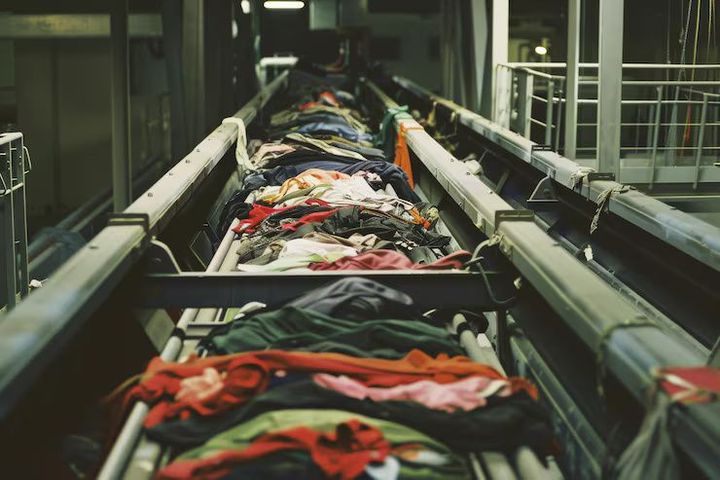
Textile waste recycling machines are industrial systems designed to process discarded fabrics, garments, and textile scraps into reusable fibers or raw materials. These machines exist to address the growing volume of textile waste generated by fashion production, household consumption, and industrial manufacturing.
Globally, millions of tons of textile waste are generated each year due to fast fashion and limited recycling infrastructure. This growing waste contributes to landfill overflow and environmental damage. Textile waste recycling technology focuses on recovering value from discarded materials instead of disposing of them.
Sustainable textile recycling machines perform multiple processes to convert waste into reusable fibers and materials.
Core Processes in Recycling Machines
- Sorting and separation
- Shredding and fiber opening
- Dust removal and cleaning
- Fiber blending
- Re-spinning preparation
These systems support mechanical, chemical, and hybrid recycling methods. Mechanical recycling breaks fabrics into fibers, while chemical recycling converts materials into reusable polymers.
Textile recycling machines play a key role in the circular economy by reducing waste and promoting material reuse.
Importance of Textile Waste Recycling
The importance of textile recycling technology has increased due to environmental, economic, and regulatory pressures. Textile production consumes significant natural resources, making recycling essential for sustainability.
Resource Consumption in Textile Production
- Water
- Energy
- Chemicals
- Land
Discarded textiles lead to resource loss, while synthetic fabrics may take decades to decompose. Recycling systems help recover fibers like cotton, polyester, wool, and blends.
Key Reasons This Topic Matters
- Governments enforcing stricter environmental regulations
- Brands adopting sustainable production practices
- Growing consumer demand for eco-friendly products
- Decreasing landfill capacity
Benefits of Recycling Machines
- Reduce landfill waste
- Lower carbon emissions
- Conserve natural resources
- Support recycled textile production
- Improve supply chain sustainability
Industries Impacted
- Apparel manufacturing
- Home textile production
- Automotive interiors
- Industrial fabric production
- Waste management
Recycling machines support environmental risk management and sustainable manufacturing strategies by recovering usable fibers.
Recent Updates (2024–2025)
Textile recycling technology continues to evolve rapidly as sustainability becomes a global priority. In 2025, innovation has focused on improving efficiency and scalability.
Key Technological Trends
- AI-based automated sorting systems
- Advanced chemical recycling for blended fabrics
- Growth in circular economy infrastructure
- Development of low-energy recycling machines
European regulations introduced in early 2025 have increased demand for recycling systems by mandating separate textile waste collection. This has accelerated innovation in fiber separation technologies.
Smart Manufacturing Integration
- Real-time monitoring dashboards
- Energy consumption tracking
- Automated quality control systems
Blockchain technology is also being used to verify recycled fibers, improving supply chain transparency. Modular recycling systems are gaining popularity due to their scalability and flexibility.
Laws and Policies
Textile waste recycling is governed by environmental regulations worldwide. These policies ensure responsible waste management and sustainable industrial practices.
European Union Regulations
- EU Circular Economy Action Plan
- Waste Framework Directive
- Extended Producer Responsibility (EPR)
As of 2025, EU countries must implement separate textile waste collection systems, increasing demand for recycling infrastructure.
United States Regulations
- Environmental Protection Agency (EPA) guidelines
- Clean Air Act compliance
- State-level waste management laws
Asia-Pacific Policies
- Resource efficiency initiatives in Japan and South Korea
- Environmental compliance regulations in China
Compliance Requirements
- Air quality standards
- Wastewater discharge limits
- Worker safety regulations
- Industrial noise control
These regulations ensure recycling systems reduce environmental impact without creating secondary pollution.
Tools and Resources
Various technologies and tools support textile waste recycling operations. These solutions improve efficiency, monitoring, and environmental compliance.
Common Equipment and Tools
- Material identification scanners
- Fiber composition analyzers
- Industrial shredders
- Air filtration systems
- Moisture control systems
- Production monitoring software
- Environmental dashboards
Recycling Machine Comparison
| Machine Type | Primary Function | Suitable Material Type |
|---|---|---|
| Fiber Opening Machine | Breaks textiles into fibers | Cotton, wool, blends |
| Shredding Machine | Reduces fabric size | Mixed textile waste |
| Chemical Recycling Reactor | Dissolves polymers | Polyester, nylon |
| Air Separation System | Removes dust and particles | Lightweight fabric scraps |
Digital Platforms
- Environmental reporting software
- Life cycle assessment (LCA) tools
- Carbon footprint calculators
- Waste tracking systems
Basic Recycling Workflow
- Collection and sorting of textile waste
- Fiber separation by material type
- Mechanical or chemical processing
- Cleaning and filtration
- Fiber preparation for re-spinning
Textile Recovery Stages
| Stage | Environmental Benefit |
|---|---|
| Sorting | Reduces contamination |
| Fiber Recovery | Preserves raw materials |
| Reprocessing | Reduces need for virgin resources |
| Reuse | Supports circular manufacturing |
These processes help organizations meet sustainable supply chain goals.
Frequently Asked Questions
What are textile waste recycling machines used for?
They process discarded textiles into reusable fibers or raw materials, reducing landfill waste and supporting sustainable production.
What is the difference between mechanical and chemical recycling?
Mechanical recycling breaks fabrics into fibers, while chemical recycling converts materials into reusable polymer forms.
Can blended fabrics be recycled?
Yes, but they require advanced separation or chemical processes to isolate different fiber types.
How do recycling machines reduce environmental impact?
They conserve resources, reduce landfill waste, and lower greenhouse gas emissions compared to producing new materials.
Are these systems suitable for large-scale production?
Yes, modern recycling machines are designed for high-capacity industrial operations and integrate with automated systems.
Additional Industry Insights
Textile recycling machines are now part of long-term sustainability strategies. Many facilities are integrating advanced automation and data-driven technologies to improve efficiency.
Advanced Integration Features
- Industrial automation systems
- Smart sensors for fiber quality
- Data analytics tools
- Energy-efficient motors
Key Performance Metrics
- Waste diversion rates
- Energy usage per ton
- Carbon reduction metrics
- Recycled fiber output
These metrics help organizations track environmental performance while maintaining productivity.
Conclusion
Textile waste recycling machines are essential for sustainable manufacturing and circular economy practices. They reduce landfill waste, conserve resources, and support eco-friendly production systems.
Recent advancements in AI sorting, modular systems, and regulatory frameworks in 2025 have accelerated adoption worldwide. Compliance with environmental laws ensures responsible operation and long-term sustainability.
As industries prioritize environmental responsibility, textile recycling technology continues to evolve. Understanding these systems provides valuable insight into the future of sustainable textile manufacturing.