Touch Sensors Overview: Discover Key Technologies, Functions, and Applications Today
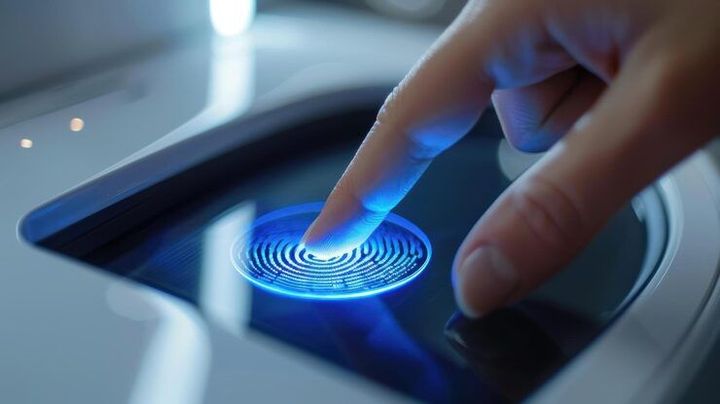
Touch sensors are electronic components designed to detect physical contact or proximity from a finger, stylus, or other object. They translate human touch into electrical signals that devices can interpret and respond to. These sensors form the foundation of many modern interfaces used in smartphones, tablets, smart appliances, automotive dashboards, and industrial control systems.
The development of touch sensors emerged from the need for more intuitive human–machine interaction. Traditional input systems like mechanical buttons and keyboards required physical pressure and moving parts.
Over time, touch-based technologies were introduced, allowing devices to respond instantly to gestures and light contact. These systems improved both usability and design flexibility in modern electronics.
Touch sensor technology works by detecting changes in electrical characteristics such as capacitance, resistance, or infrared signals. When a user interacts with a surface, the system processes the signal and triggers an action.
Types of Touch Sensors
Common types of touch sensors include:
- Capacitive touch sensors
- Resistive touch sensors
- Infrared touch sensors
- Surface acoustic wave sensors
- Optical touch sensors
Each type operates using a different sensing principle and is suited for specific environments or device requirements.
Why Touch Sensors Matter in Modern Technology
Touch sensors play a crucial role in simplifying how users interact with devices. They enable natural gestures such as tapping, swiping, and pinching, making interfaces more intuitive.
Their adoption has expanded across multiple industries, improving both efficiency and user experience.
Key Industries Using Touch Sensors
Several industries rely heavily on touch sensor technology:
- Consumer electronics
- Automotive technology
- Healthcare devices
- Industrial automation
- Retail and digital kiosks
- Smart home systems
These applications highlight the versatility and importance of touch-based interfaces.
Benefits of Touch Sensors
Touch sensors offer several practical advantages:
- Eliminate mechanical wear from traditional buttons
- Enable sleek and minimal device designs
- Improve accessibility with gesture-based controls
- Support faster navigation and interaction
They also support advanced features like gesture recognition and haptic feedback, enhancing user experience.
Market Growth Drivers
The demand for touch sensors continues to rise due to:
- Expansion of smart home automation
- Growth of interactive retail displays
- Increased use of vehicle infotainment systems
- Development of wearable and health monitoring devices
Touch interfaces are also widely used in education, workplaces, and public systems.
Comparison of Touch Sensor Technologies
| Touch Sensor Type | Detection Method | Common Applications |
|---|---|---|
| Capacitive | Detects electrical charge changes | Smartphones, tablets |
| Resistive | Measures pressure between layers | Industrial equipment |
| Infrared | Uses infrared light grid | Interactive displays |
| Optical | Camera-based detection | Large touch screens |
Each technology differs in accuracy, durability, and sensitivity.
Recent Developments and Industry Trends
Recent advancements have focused on improving responsiveness and energy efficiency. New capacitive sensing chips now support accurate multi-touch functionality even in challenging conditions.
Manufacturers are also integrating smarter systems powered by artificial intelligence.
Key Industry Trends
Major developments include:
- Flexible touch sensors for foldable devices
- Ultra-thin panels for automotive dashboards
- Adoption in smart kitchen appliances
- Improved waterproof touch detection
These innovations are shaping the future of user interaction.
Emerging Technologies
AI-driven gesture recognition systems are becoming more common. These systems analyze touch patterns to enable advanced controls.
Touchless sensing is also gaining attention, especially in healthcare, where hygiene is critical. This technology allows interaction without direct contact.
Industrial environments are adopting rugged touch sensors designed for harsh conditions like dust and extreme temperatures.
Laws, Standards, and Regulatory Considerations
Touch sensor technology must comply with global regulations related to safety, environment, and electronic performance. These standards ensure devices are reliable and safe for use.
Manufacturers must follow strict compliance frameworks during development and production.
Key Regulations
Important regulatory frameworks include:
- RoHS – Restricts hazardous substances
- REACH – Ensures chemical safety
- ISO standards – Maintain quality consistency
- EMC regulations – Prevent electronic interference
These regulations are essential for global market approval.
Regional Compliance Requirements
In the United States, electronic devices must comply with FCC regulations. These rules govern electromagnetic emissions.
In the European Union, CE certification is required for market entry. This confirms compliance with health, safety, and environmental standards.
Governments worldwide also promote innovation through semiconductor and sensor development initiatives.
Useful Tools and Resources for Touch Sensor Technology
Various tools help engineers and developers design, test, and optimize touch sensor systems. These tools support both hardware and software development processes.
They are widely used across research, manufacturing, and product development.
Common Development Tools
Typical tools include:
- PCB design software
- Microcontroller development platforms
- Sensor simulation tools
- Embedded system kits
- Electrical signal analysis software
These tools enable efficient sensor integration and testing.
Tool Comparison Table
| Tool Category | Purpose | Typical Users |
|---|---|---|
| PCB Design Software | Design sensor-integrated circuits | Engineers |
| Sensor Simulation Tools | Test sensitivity and performance | Researchers |
| Embedded Development Tools | Program sensor controllers | Developers |
| Signal Analysis Software | Analyze electrical signals | Electronics specialists |
Learning Resources
Additional resources include:
- Online electronics learning platforms
- Technical documentation from semiconductor companies
- Engineering textbooks on sensors
- Open hardware communities
These resources support continuous learning and experimentation.
Frequently Asked Questions About Touch Sensors
What is the main function of a touch sensor?
A touch sensor detects physical contact or proximity and converts it into an electrical signal. This signal is then interpreted as an input command by a device.
What is the difference between capacitive and resistive touch sensors?
Capacitive sensors detect changes in electrical charge, while resistive sensors respond to pressure between layers. Each is suited for different use cases.
Where are touch sensors commonly used?
They are widely used in:
- Smartphones and tablets
- Smart home appliances
- Industrial control panels
- Automotive dashboards
- Interactive kiosks
Do touch sensors work with gloves?
Some capacitive sensors may not work with standard gloves. However, specialized designs and resistive sensors can detect touch even when gloves are worn.
Which industries rely on touch sensors?
Major industries include:
- Consumer electronics
- Automotive manufacturing
- Healthcare equipment
- Smart home automation
- Industrial machinery
Key Industry Insights
Touch sensor technology continues to evolve alongside advancements in electronics. Manufacturers focus on improving performance, durability, and efficiency.
Several design priorities shape current development efforts.
Industry Focus Areas
| Industry Focus | Impact on Technology |
|---|---|
| Miniaturization | Smaller sensors for compact devices |
| Energy Efficiency | Reduced power consumption |
| Durability | Resistance to moisture and wear |
| Multi-touch | Recognition of complex gestures |
Flexible materials and transparent conductive layers are also being explored. These innovations enable new device designs like foldable displays and wearable electronics.
Conclusion
Touch sensors have transformed how people interact with technology. They enable intuitive, fast, and efficient communication between users and devices.
From smartphones to industrial systems, touch sensors play a vital role in modern electronics. Their importance continues to grow as technology advances.
Ongoing innovations such as AI-based gesture recognition and flexible sensors are expanding their capabilities. At the same time, regulatory standards ensure safety and reliability.
As digital systems evolve, touch sensors will remain a key component of human–machine interaction.