Tunnel Boring Machine Information: Mechanical and Control Systems
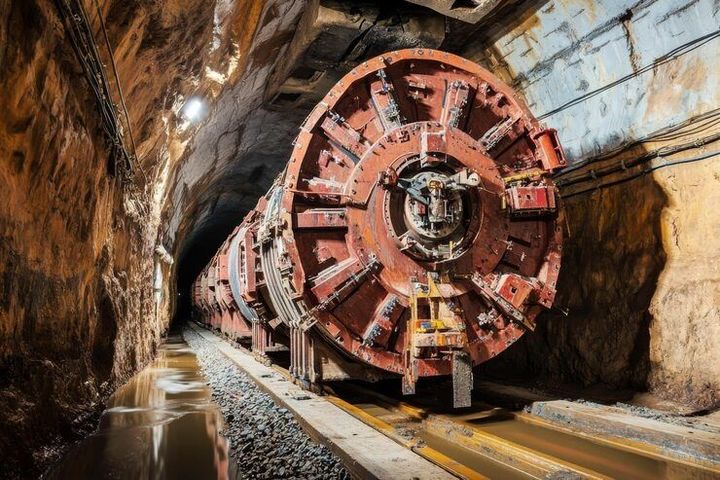
A tunnel boring machine (TBM) is a large-scale mechanical system designed to excavate tunnels through soil and rock with high precision. TBMs exist to address the limitations of traditional drilling and blasting methods, especially in urban and geologically sensitive areas. By using rotating cutter heads, thrust systems, and controlled excavation processes, TBMs create circular tunnels with minimal surface disruption.
The concept of mechanized tunneling developed as cities expanded and underground infrastructure became essential. Tunnel boring machines (TBMs) combine mechanical engineering, hydraulics, electronics, and control systems to enable safe and efficient excavation.
Today, TBMs are used in metro systems, road tunnels, water networks, and underground utilities. Their design varies depending on ground conditions, tunnel size, and project requirements.
Importance: Why Tunnel Boring Machine Knowledge Matters
Growing Need for Underground Infrastructure
As urban areas expand, underground construction helps reduce surface congestion. TBMs allow infrastructure development with minimal disruption to cities.
Key Benefits
Tunnel boring machines support:
- Reduced surface disturbance in populated areas
- Improved worker safety compared to manual excavation
- Consistent tunnel alignment and geometry
- Efficient large-scale infrastructure development
Who It Affects
This topic is relevant for:
- Civil engineers and planners
- Infrastructure developers
- Safety specialists
- Students of construction technology
Understanding TBM systems helps ensure stable, safe, and efficient tunneling operations.
Mechanical Systems in a Tunnel Boring Machine
Key Components
The mechanical system forms the core structure of a TBM. Important components include:
- Cutter head for breaking soil or rock
- Cutting tools such as disc cutters and scrapers
- Main bearing supporting rotation
- Thrust cylinders for forward movement
- Conveyor systems for removing excavated material
- Segment erector for tunnel lining installation
Mechanical Components Overview
| Component | Primary Role | Operational Impact |
|---|---|---|
| Cutter Head | Excavates ground | Controls excavation rate |
| Disc Cutters | Break hard material | Affects tool wear |
| Thrust Cylinders | Propel TBM | Determines advance speed |
| Screw Conveyor | Removes material | Maintains pressure balance |
| Segment Erector | Installs lining | Ensures tunnel stability |
Each component must operate within safe limits to maintain performance and prevent damage.
Control Systems and Automation
Role of Control Systems
Control systems act as the brain of the TBM. They monitor and regulate machine operations using sensors, PLCs, and interfaces.
Key Parameters Managed
- Cutter head rotation speed
- Thrust force and advance rate
- Face pressure for ground stability
- Torque and vibration levels
- Alignment and positioning data
Control Parameters Overview
| Parameter | Controlled Aspect | Importance |
|---|---|---|
| Torque | Cutter load | Prevents overload |
| Thrust | Forward movement | Ensures steady progress |
| Face Pressure | Ground stability | Prevents collapse |
| Alignment Data | Direction control | Maintains accuracy |
Automated systems adjust these parameters in real time to ensure safe and efficient operation.
Interaction Between Systems
Mechanical and control systems work together through continuous data exchange. Sensors collect data from mechanical components and send it to control systems for analysis.
For example:
- Increased torque may trigger reduced speed
- Changes in soil pressure adjust excavation rates
- Vibration patterns help detect potential issues
This integration improves adaptability to different ground conditions and supports predictive maintenance.
Recent Updates (2024–2025)
Data-Driven Monitoring
Advanced sensors and cloud-based analytics improve performance tracking and maintenance planning.
Variable Density TBMs
New designs allow switching between excavation modes for mixed ground conditions.
Energy Efficiency Improvements
Optimized drive systems reduce energy consumption during operations.
These developments highlight a shift toward smarter and more adaptable tunneling systems.
Laws and Policies
Regulatory Considerations
TBM operations must comply with:
- Construction safety standards
- Environmental impact assessments
- Urban planning regulations
- Infrastructure development policies
Policy Objectives
These regulations aim to:
- Ensure worker safety
- Minimize environmental impact
- Maintain structural stability
- Support sustainable infrastructure development
Compliance ensures safe and responsible tunneling operations.
Tools and Resources
Technical Tools
- TBM monitoring dashboards
- Geological modeling software
- Thrust and torque calculation references
Planning and Maintenance
- Maintenance scheduling templates
- Performance tracking systems
- Engineering handbooks on tunneling
Monitoring Data Overview
| Data Type | Measured Area | Purpose |
|---|---|---|
| Cutter Wear | Cutting tools | Maintenance planning |
| Advance Rate | Machine movement | Productivity analysis |
| Face Pressure | Tunnel face | Stability control |
| Vibration | Structural load | Safety monitoring |
These tools help engineers manage operations and maintain system efficiency.
FAQs
What is the purpose of a TBM?
A tunnel boring machine excavates tunnels with precision while supporting surrounding ground structures.
How do control systems improve safety?
They monitor key parameters and adjust operations automatically to prevent overload or instability.
Are all TBMs the same?
No, they vary based on design, size, and ground conditions.
Why is face pressure important?
Proper pressure prevents tunnel collapse and surface settlement.
How is alignment maintained?
Guidance systems use sensors and control software to keep the machine on track.
Conclusion
Tunnel boring machines are essential for modern underground construction. They combine mechanical strength with advanced control systems to ensure safe and efficient tunneling.
Recent advancements in monitoring, adaptability, and energy efficiency continue to improve TBM performance. Regulations and technical tools further support safe and sustainable operations.
Understanding TBM systems helps engineers, planners, and learners make informed decisions and supports the development of reliable underground infrastructure.