Agricultural soil sensors are devices designed to measure conditions in soil and provide data that helps farmers understand how their land behaves. These sensors collect information about moisture levels, temperature, nutrient balance, and other environmental factors. By gathering this data, agricultural soil sensors contribute to a broader concept often described as data-driven farming.
Historically, farmers relied on observation and experience to judge soil conditions. While those methods remain valuable, modern technology allows soil analysis to be conducted with greater precision. Sensors placed in the ground can transmit measurements regularly, creating a clearer picture of how soil changes throughout a growing season.
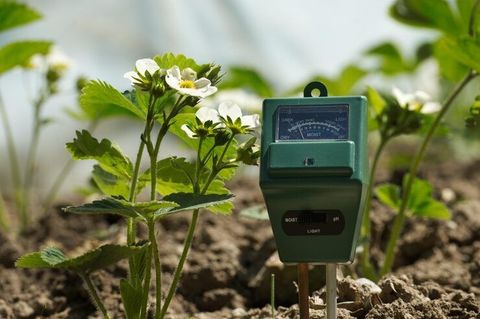
The concept of efficiency insights in agriculture has become more relevant as global food demand grows. Data from agricultural soil sensors helps farmers monitor conditions more closely, reducing uncertainty about when to irrigate, fertilize, or adjust planting strategies. This information supports decisions that align with environmental awareness and resource management.
In many regions, agricultural soil sensors are now part of broader digital agriculture systems. These systems combine sensor readings with satellite data, weather observations, and farm management platforms. Together, they provide a more complete understanding of soil health and crop conditions.
Importance
Agricultural soil sensors matter because soil conditions directly affect crop growth and agricultural productivity. Without accurate soil analysis, farmers may rely on general assumptions rather than real measurements. Data-driven farming attempts to reduce this uncertainty by providing measurable insights about the soil environment.
One major challenge addressed by soil sensors is water management. Soil moisture levels can vary widely across a field. Sensors help identify areas that require irrigation and areas that already contain sufficient moisture. This reduces unnecessary water use and supports more balanced irrigation planning.
Another important issue is nutrient management. Soil contains nutrients that plants need for growth, but those nutrients may not always be evenly distributed. Agricultural soil sensors can detect patterns that indicate whether soil nutrients are declining or remaining stable. These efficiency insights allow farmers to adjust fertilization practices more accurately.
Environmental concerns also contribute to the growing interest in soil monitoring. Excess irrigation and nutrient imbalance can affect surrounding ecosystems. Data-driven farming tools provide information that helps manage agricultural land in ways that consider environmental impact.
The benefits of agricultural soil sensors often extend beyond individual farms. Researchers, agricultural planners, and environmental agencies use soil data to understand larger agricultural trends. When aggregated, this information supports studies about soil health, climate influence, and long-term agricultural sustainability.
Recent Updates
Recent years have seen rapid development in agricultural technology, including advances in agricultural soil sensors. Many modern sensors are now connected to wireless networks that transmit soil measurements to cloud-based platforms. This connectivity allows farmers to monitor soil conditions through mobile applications and digital dashboards.
Sensor technology has also become more compact and adaptable. New designs allow sensors to measure multiple soil variables simultaneously, including moisture, electrical conductivity, and temperature. These combined measurements support deeper soil analysis without requiring multiple devices in the same location.
Another trend involves integration with automated farming systems. Soil sensor data can now interact with irrigation controllers and agricultural management software. In data-driven farming environments, sensor readings may trigger automated adjustments to irrigation schedules.
Artificial intelligence and machine learning have also begun influencing agricultural monitoring. Algorithms can analyze soil sensor data alongside weather forecasts and historical crop performance. These systems provide efficiency insights that help interpret patterns within large datasets.
Researchers and agricultural institutions continue exploring how soil sensors can support climate resilience. By studying long-term soil data, scientists aim to understand how changing rainfall patterns and temperature shifts affect soil conditions. These insights help inform agricultural planning and environmental management strategies.
Laws or Policies
Agricultural soil monitoring technologies are influenced by policies related to agriculture, environmental protection, and digital infrastructure. Governments often encourage the adoption of data-driven farming tools through agricultural development programs.
In India, several initiatives focus on improving soil health and promoting sustainable agriculture. Programs connected to the Soil Health Card Scheme encourage farmers to understand soil nutrient status. While the program primarily uses laboratory testing, sensor-based soil monitoring aligns with the broader objective of improving soil analysis.
Another initiative is the Digital Agriculture Mission, which supports the use of digital technologies in farming. This program aims to integrate data platforms, remote sensing, and agricultural analytics to improve productivity and environmental management.
Environmental regulations also influence how soil monitoring tools are used. Policies designed to protect groundwater resources, reduce soil degradation, and maintain sustainable land use encourage improved monitoring practices. Agricultural soil sensors provide measurable data that helps evaluate these environmental factors.
In many countries, agricultural research institutions collaborate with technology developers to study soil monitoring systems. These collaborations often operate within national agricultural research programs that focus on sustainable farming methods.
Tools and Resources
Various digital tools and platforms support the use of agricultural soil sensors and data-driven farming. These tools help collect, analyze, and interpret soil information gathered from sensors.
Farmers and agricultural researchers often rely on platforms that integrate multiple data sources. Examples include weather data, satellite imagery, and soil sensor readings. These platforms present information through dashboards and visual maps.
Common tools and resources used alongside soil sensors include:
- Farm management software, which organizes field data, planting records, and soil measurements in one system.
- Soil analysis platforms, which interpret sensor data and identify patterns related to moisture or nutrient conditions.
- Weather monitoring systems, which combine rainfall and temperature data with soil sensor readings.
- Geographic information systems (GIS), which map soil conditions across different sections of farmland.
- Agricultural research databases, which provide reference information about soil properties and crop requirements.
Some well-known digital agriculture platforms used for soil data analysis include the John Deere Operations Center, Climate FieldView, and Trimble Ag Software. These platforms integrate data from sensors, machinery, and satellite observations.
The table below summarizes common soil parameters measured by agricultural soil sensors and their agricultural significance.
| Soil Parameter | What It Measures | Agricultural Insight |
|---|---|---|
| Soil Moisture | Water content in soil | Helps determine irrigation timing |
| Soil Temperature | Temperature within soil layers | Influences seed germination and root growth |
| Electrical Conductivity | Ability of soil to conduct electricity | Indicates salinity and nutrient levels |
| Soil pH | Acidity or alkalinity | Affects nutrient availability for crops |
| Nutrient Concentration | Levels of nitrogen, phosphorus, and potassium | Helps guide fertilization decisions |
These measurements form the basis of many data-driven farming strategies. By collecting and analyzing soil data regularly, farmers gain efficiency insights that help manage fields more precisely.
FAQs
What are agricultural soil sensors used for?
Agricultural soil sensors measure conditions such as moisture, temperature, and nutrient levels in soil. These measurements support soil analysis and help farmers understand how soil conditions change during crop growth.
How do agricultural soil sensors support data-driven farming?
Agricultural soil sensors collect continuous soil data that can be analyzed alongside weather information and crop performance records. This data-driven farming approach helps identify patterns that influence irrigation planning, nutrient management, and crop health.
What types of soil conditions can soil sensors measure?
Many soil sensors measure multiple variables. Common measurements include soil moisture, soil temperature, electrical conductivity, pH levels, and nutrient concentration. These measurements provide efficiency insights that guide agricultural decision-making.
Are agricultural soil sensors useful for small farms?
Yes. Agricultural soil sensors can be used on farms of various sizes. Even a small number of sensors can provide soil analysis data that improves understanding of field conditions.
How often do soil sensors collect data?
Many soil sensors record measurements at regular intervals, such as every few minutes or hours. The frequency depends on the sensor type and the data platform used to collect and interpret the readings.
Conclusion
Agricultural soil sensors play an important role in modern farming by providing measurable information about soil conditions. These devices support soil analysis and contribute to data-driven farming systems that help interpret soil moisture, temperature, and nutrient patterns. Recent technological developments have improved connectivity and integration with digital agriculture platforms. Government programs and environmental policies also encourage improved soil monitoring practices. Together, these developments contribute to a deeper understanding of soil health and agricultural efficiency insights.