Understanding Laboratory Innovation in Modern Science
Laboratory innovation is shaping the way scientists, healthcare professionals, educators, and researchers work. From advanced testing equipment to intelligent software, laboratories continue to evolve to meet growing scientific and medical needs. These improvements help laboratories handle larger amounts of information, improve accuracy, and complete routine activities more efficiently. Modern laboratories are no longer defined only by microscopes and glassware. Today, they include connected instruments, automated systems, digital records, and advanced analytical tools that support research across many fields.
Whether the goal is studying diseases, examining environmental samples, developing new materials, or improving food quality, innovation continues to change how laboratory work is performed.
This article explains what laboratory innovation means, the technologies driving these changes, the benefits they bring, the challenges laboratories face, and what the future may hold.
What Is Laboratory Innovation?
Laboratory innovation refers to the introduction of new technologies, methods, equipment, and digital systems that improve laboratory operations and scientific research. Innovation can involve physical equipment, software platforms, workflow improvements, or entirely new approaches to testing and analysis.
Instead of replacing scientific knowledge, innovation supports laboratory professionals by reducing repetitive tasks and helping them focus on interpretation, research, and problem-solving.
Innovation is taking place in laboratories involved in:
- Medical research
- Clinical testing
- Pharmaceutical development
- Environmental science
- Food safety
- Agriculture
- Manufacturing quality control
- Academic education
Although every laboratory has different goals, many share similar technologies that improve productivity and reliability.
Why Laboratory Innovation Matters
Scientific research often depends on accurate measurements and reliable results. Even small improvements in laboratory processes can have a meaningful impact.
Modern laboratory innovation helps organizations:
- Improve data accuracy
- Reduce manual paperwork
- Organize research information more effectively
- Shorten testing timelines
- Improve collaboration between research teams
- Support consistent laboratory procedures
- Handle increasing sample volumes
These improvements help researchers spend more time analyzing findings rather than managing repetitive administrative activities.
Automation in Modern Laboratories
Automation has become one of the most visible changes in laboratory environments.
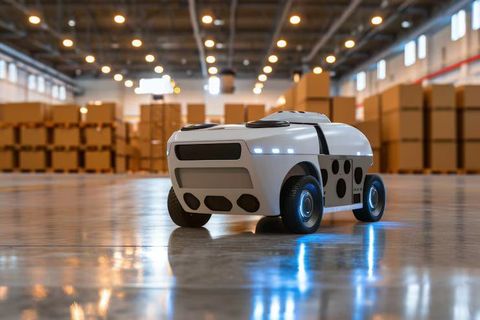
Many laboratories now use automated systems for routine procedures such as sample preparation, liquid handling, labeling, and instrument operation. These systems perform repetitive activities with consistent precision.
Automation also helps laboratories process larger numbers of samples without placing additional pressure on laboratory staff.
Common automated technologies include:
- Robotic liquid handling systems
- Automated sample storage
- Barcode identification
- Automated analyzers
- Robotic sample transport
While laboratory professionals remain responsible for reviewing and interpreting results, automation supports smoother daily operations.
Digital Laboratory Management
Paper notebooks and handwritten records are gradually being replaced by digital laboratory management systems.
These systems organize information in one secure location, making it easier to track experiments, monitor equipment, and retrieve historical records.
Digital management platforms may include:
- Electronic laboratory notebooks
- Sample tracking software
- Instrument management systems
- Digital reporting tools
- Inventory management applications
Digital records also improve collaboration because multiple researchers can access the same information when appropriate.
Artificial Intelligence in Laboratory Innovation
Artificial intelligence has become an important part of laboratory innovation.
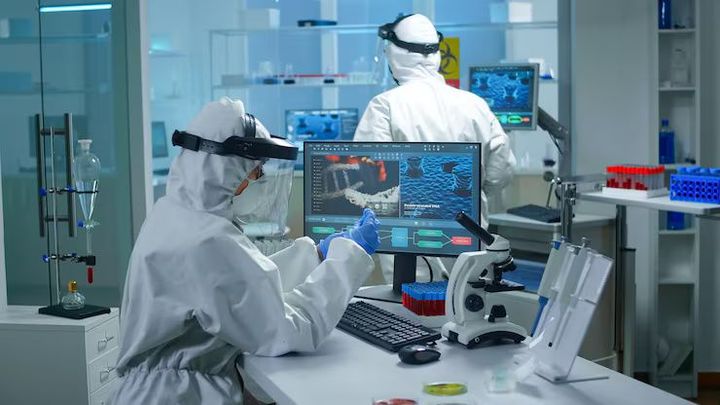
AI systems can examine large collections of scientific information much faster than traditional manual analysis. They help researchers identify patterns, organize data, and support decision-making.
Examples include:
- Image analysis from microscopes
- Pattern recognition in laboratory data
- Predictive analysis
- Data classification
- Research trend identification
AI does not replace scientific expertise. Instead, it supports researchers by handling large volumes of information that would otherwise require significant time to review manually.
Advanced Laboratory Equipment
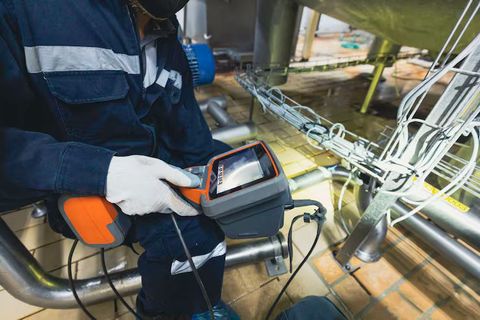
Laboratory equipment continues to become more accurate, connected, and easier to operate.
Modern instruments often include digital interfaces, cloud connectivity, automated calibration, and remote monitoring capabilities.
Examples include:
- High-resolution microscopes
- DNA sequencing systems
- Mass spectrometers
- Chromatography instruments
- Spectroscopy equipment
- Digital imaging systems
Many instruments now communicate directly with laboratory software, reducing manual data entry and helping maintain organized research records.
Cloud Technology and Connected Laboratories
Cloud technology allows laboratory information to be accessed securely from multiple locations.
Researchers working across universities, hospitals, research centers, or industrial facilities can collaborate more efficiently by sharing information through secure digital platforms.
Cloud-connected laboratories help with:
- Data sharing
- Remote monitoring
- Secure backups
- Collaborative research
- Multi-location projects
This approach has become increasingly useful for international scientific collaborations where research teams work across different regions.
Sustainable Laboratory Practices
Innovation is also encouraging laboratories to reduce waste and improve resource management.
Many laboratories are adopting environmentally conscious practices such as:
- Energy-efficient equipment
- Digital documentation
- Water-saving technologies
- Recycling laboratory materials where appropriate
- Improved inventory planning
- Reduced disposable material usage
These changes help laboratories lower environmental impact while maintaining scientific quality.
Laboratory Innovation in Healthcare
Healthcare laboratories continue to benefit from technological advances.
Modern diagnostic laboratories process large numbers of patient samples using automated systems that improve consistency and reporting speed.
Innovation supports healthcare through:
- Molecular diagnostics
- Genetic analysis
- Digital pathology
- Automated blood analysis
- Infectious disease testing
- Personalized medicine research
Earlier access to laboratory information helps healthcare professionals make informed clinical decisions.
Innovation in Research and Education
Universities and research institutions are introducing advanced laboratory technologies into teaching environments.
Students can now learn using digital simulation tools, connected laboratory equipment, and virtual collaboration platforms.
Educational laboratories increasingly include:
- Interactive laboratory software
- Digital experiment recording
- Virtual laboratory simulations
- Remote instrument access
- Data visualization tools
These learning environments help students become familiar with technologies commonly used in modern scientific research.
Challenges of Laboratory Innovation
Although laboratory innovation creates many opportunities, implementation requires careful planning.
Some common challenges include:
Training Laboratory Staff
New technologies require users to understand updated workflows and software systems. Ongoing education helps laboratories make effective use of modern equipment.
Data Security
As laboratories generate more digital information, protecting sensitive research and testing data becomes increasingly important.
Equipment Integration
Different laboratory instruments may use different software platforms. Connecting these systems can require careful planning and technical expertise.
Maintenance
Advanced laboratory equipment requires regular maintenance, calibration, and monitoring to maintain reliable performance.
Managing Change
Introducing new technologies often changes daily routines. Successful implementation depends on clear communication and gradual adoption.
Future Trends in Laboratory Innovation
Laboratory innovation continues to move toward greater connectivity, automation, and intelligent analysis.
Future developments may include:
- More advanced robotic laboratories
- Expanded artificial intelligence applications
- Digital twins for laboratory research
- Improved remote laboratory monitoring
- Faster genomic analysis
- Connected laboratory ecosystems
- Smart sensors with continuous monitoring
- Enhanced predictive analytics
As technology continues to evolve, laboratories are likely to become even more integrated, data-driven, and collaborative.
The Human Role Remains Essential
Even with advanced technology, laboratory professionals remain central to scientific progress.
Researchers design experiments, interpret results, evaluate unexpected findings, and make important scientific decisions. Technology supports these activities, but human expertise, creativity, and critical thinking continue to guide meaningful discoveries.
Innovation works most effectively when advanced tools and skilled professionals work together.
Conclusion
Laboratory innovation is changing the way scientific research, healthcare, environmental studies, education, and industrial testing are performed. Automation, artificial intelligence, digital laboratory management, connected instruments, and cloud technology are helping laboratories improve efficiency while supporting reliable scientific work.
As laboratories continue adopting modern technologies, they become better equipped to manage growing research demands and increasingly complex scientific challenges. Although technology will continue advancing, the knowledge and experience of laboratory professionals will remain essential for transforming data into meaningful discoveries that benefit society.