Wastewater Recycling Guide: Explore Treatment Methods, Systems, Applications, Benefits, and Planning Factors
Wastewater recycling is the process of treating used water so that it can be used again for suitable purposes. A wastewater recycling system can remove suspended solids, organic matter, nutrients, microorganisms, dissolved substances, and other contaminants through a combination of physical, biological, and chemical treatment methods.
Wastewater comes from many sources, including homes, commercial buildings, factories, hospitals, agricultural activities, and municipal infrastructure. Instead of treating used water only as a waste stream, recycling systems can recover water for applications where drinking-quality water is not required.
What Is Wastewater Recycling?
Wastewater recycling involves collecting wastewater, treating it to a defined quality, and directing the treated water toward an appropriate reuse application. The required treatment level depends on the original wastewater characteristics and how the recycled water will be used.
For example, water intended for landscape irrigation generally has different quality requirements from water intended for industrial processes. Water that may come into contact with people or enter a potable supply requires much more stringent treatment and monitoring.
How Wastewater Treatment and Recycling Differ
Wastewater treatment focuses on reducing contaminants so that water can be safely discharged or reused. Recycling adds another step by deliberately recovering the treated water for a subsequent application.
A recycling system can therefore be viewed as part of a broader water-management process. It may include collection, preliminary treatment, biological treatment, advanced filtration, disinfection, storage, monitoring, and distribution.
Importance
Growing demand for water, irregular rainfall, population growth, industrial activity, and pressure on freshwater resources have increased interest in water reuse. Wastewater recycling can help organizations and communities manage available water resources by creating an additional source for appropriate non-potable or, where regulations permit, potable applications.
The approach is relevant to municipalities, industrial facilities, commercial buildings, agricultural operations, hotels, institutions, and other locations that generate consistent wastewater streams.
Water Resource Management
Recycling wastewater can reduce dependence on freshwater sources for applications that do not require drinking water. Reusing treated water for activities such as cooling, toilet flushing, irrigation, or certain industrial processes can separate water quality requirements from overall water demand.
The environmental effect depends on the treatment process, energy requirements, discharge conditions, and local water sources. Recycling is therefore generally considered as one component of integrated water-resource planning rather than a universal replacement for freshwater.
Common Challenges
Wastewater characteristics can vary substantially. Domestic wastewater differs from industrial wastewater, and industrial streams can contain chemicals, metals, oils, salts, or other substances that require specialized treatment.
Other challenges include treatment reliability, energy consumption, sludge management, storage, distribution infrastructure, monitoring requirements, and public acceptance. Planning must account for both water quality and the intended reuse application.
Recent Updates
From 2024 through 2026, wastewater recycling has continued to develop alongside broader water-reuse, resource-recovery, and digital monitoring initiatives. Treatment facilities increasingly combine conventional biological processes with membrane filtration, ultraviolet disinfection, advanced oxidation, nutrient removal, and other treatment technologies when required by the application.
Digital monitoring is also becoming more relevant. Sensors and automated controls can track parameters such as pH, turbidity, dissolved oxygen, conductivity, flow, and other indicators. Data from these systems can support process control and help operators identify changes in treatment performance.
Advanced Treatment Systems
Membrane technologies such as microfiltration, ultrafiltration, nanofiltration, and reverse osmosis can provide different levels of contaminant removal. The appropriate membrane depends on the water characteristics and the quality target.
Membrane bioreactors combine biological treatment with membrane separation. They can produce treated water with relatively low concentrations of suspended solids, although they also require energy, membrane management, and appropriate operating controls.
Resource Recovery
Modern wastewater management increasingly considers the recovery of resources in addition to water. Treatment facilities can recover materials such as biogas, nutrients, and other useful resources depending on the wastewater characteristics and treatment configuration.
Energy efficiency is another area of attention. Variable-speed equipment, improved aeration control, energy monitoring, and optimized pumping can influence the overall energy demand of a recycling facility.
Digital Monitoring
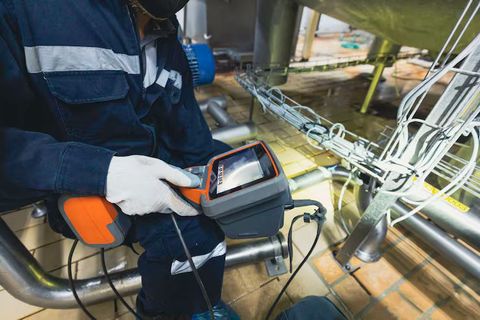
Automation and remote monitoring can provide continuous information about treatment conditions. Online sensors may be connected to supervisory control systems that display operating information and support automatic adjustments.
However, sensor readings require calibration, maintenance, and appropriate interpretation. Digital monitoring supplements rather than eliminates the need for laboratory testing and operational oversight.
Laws or Policies
In India, wastewater recycling is influenced by environmental regulations, water-quality requirements, local authorities, and standards applicable to the specific reuse or discharge situation. The Central Pollution Control Board (CPCB) provides technical and regulatory information concerning wastewater treatment, environmental standards, and pollution control.
The Environment (Protection) Act, 1986 provides a central legal framework for environmental protection in India. Rules and standards issued under this framework can establish requirements concerning the discharge of environmental pollutants.
The Water (Prevention and Control of Pollution) Act, 1974 is another important part of India's water-pollution control framework. It establishes mechanisms for preventing and controlling water pollution and provides for the regulation of certain discharges.
For industrial facilities, requirements can depend on the industry, location, wastewater characteristics, receiving environment, and permissions issued by the relevant State Pollution Control Board or other authority.
Water Reuse Considerations
Recycled water should be treated according to its intended use. Non-potable applications may have different requirements from applications involving direct or indirect potable reuse.
Before establishing a wastewater recycling system, planners generally need to identify applicable national, state, municipal, environmental, and public-health requirements. Technical standards and discharge or reuse conditions can change, so current requirements should be verified with the relevant authorities.
Tools and Resources
Several resources can support wastewater recycling planning and evaluation.
Water Quality Testing
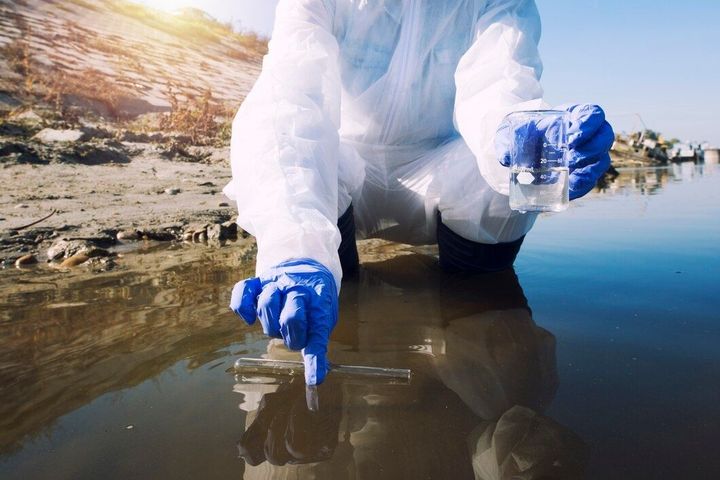
Laboratory testing helps identify the characteristics of a wastewater stream. Common parameters include:
- pH
- Biochemical oxygen demand (BOD)
- Chemical oxygen demand (COD)
- Total suspended solids (TSS)
- Total dissolved solids (TDS)
- Nitrogen and phosphorus
- Oil and grease
- Microbiological indicators
- Specific chemicals or metals where relevant
The required testing program depends on the wastewater source and proposed reuse.
Treatment Process Diagrams
Process-flow diagrams can help explain how water moves through a treatment system. A basic diagram may show collection, screening, primary treatment, biological treatment, filtration, disinfection, storage, and reuse.
More complex systems may include equalization tanks, membrane treatment, reverse osmosis, activated carbon, nutrient removal, advanced oxidation, or additional disinfection stages.
Planning Calculations
Basic water-balance calculations can estimate how much wastewater is generated, how much treated water may be recovered, and how much water is required by the intended reuse application.
A simplified water balance can be represented as:
Water recovered = Wastewater entering system × Overall recovery rate
Actual recovery depends on treatment losses, sludge removal, membrane reject streams, evaporation, cleaning requirements, and other process factors.
Monitoring Resources
Operational records can include flow rates, water-quality measurements, chemical use, energy consumption, filter condition, membrane performance, maintenance activities, and treated-water quality.
Maintaining these records can help identify changes in system performance and support regulatory documentation where required.
FAQs
What is a wastewater recycling system?
A wastewater recycling system collects and treats used water so that the treated water can be reused for an appropriate application. The system may combine physical, biological, chemical, filtration, and disinfection processes.
What are the main wastewater treatment methods?
Common wastewater treatment methods include screening, sedimentation, biological treatment, filtration, membrane treatment, chemical treatment, and disinfection. The combination depends on wastewater characteristics and the required treated-water quality.
Where is recycled wastewater used?
Recycled wastewater can be used for applications such as landscape irrigation, toilet flushing, industrial cooling, equipment processes, construction activities, and other non-potable purposes where regulations permit. Some advanced systems can also produce water for potable reuse under applicable regulatory frameworks.
What factors should be considered when planning a wastewater recycling system?
Important planning factors include wastewater quantity, contaminant characteristics, required water quality, treatment technology, energy requirements, space, storage, maintenance, sludge management, monitoring, regulations, and the intended reuse application.
What is the difference between wastewater recycling and water reuse?
Wastewater recycling generally describes the treatment and recovery of wastewater for subsequent use, while water reuse is a broader term covering the use of treated or recovered water for another purpose. In practice, the terms can overlap depending on the context.
Conclusion
Wastewater recycling provides a structured approach to treating used water and recovering it for suitable applications. Treatment systems can combine physical, biological, membrane, chemical, and disinfection processes according to water-quality requirements. Recent developments include greater use of advanced filtration, resource recovery, automation, and digital monitoring. Effective planning requires attention to wastewater characteristics, intended reuse, treatment performance, infrastructure, monitoring, and applicable environmental requirements.