Wastewater Recycling Information: Treatment Processes
Wastewater recycling is an important practice that helps communities manage water resources more efficiently. As populations grow and water demand increases, wastewater treatment processes play a key role in making used water suitable for reuse in agriculture, industry, landscaping, and other non-drinking applications. By treating wastewater properly, valuable water resources can be conserved while reducing pressure on natural water sources.
Modern wastewater recycling systems use a combination of physical, biological, and chemical treatment methods to remove contaminants. These wastewater treatment processes continue to evolve as governments, industries, and environmental organizations focus on sustainable water management. Understanding how wastewater recycling works can help individuals and organizations appreciate its role in protecting both public health and the environment.
Context
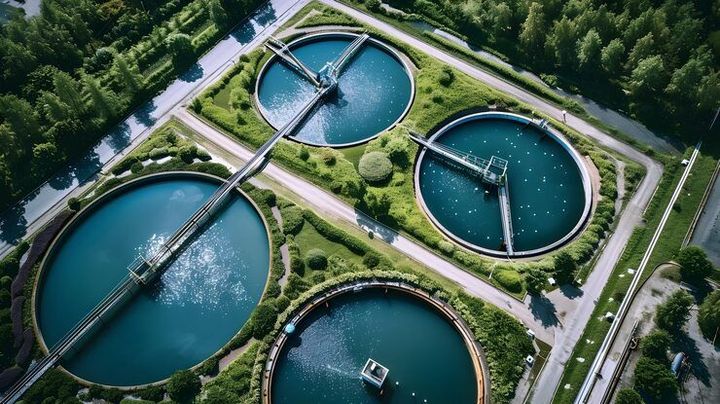
Wastewater recycling refers to the collection, treatment, and reuse of water that has already been used in homes, businesses, industries, or public facilities. Instead of discharging all wastewater into rivers, lakes, or oceans, treatment facilities process the water to remove pollutants and prepare it for appropriate reuse applications.
The concept of wastewater treatment has existed for many decades, but advances in technology have significantly improved treatment efficiency. Today, wastewater recycling supports water conservation efforts in regions facing water scarcity and helps reduce environmental impacts associated with wastewater discharge.
Common Sources of Wastewater
Wastewater may come from:
- Residential buildings
- Commercial facilities
- Industrial operations
- Agricultural activities
- Municipal drainage systems
Main Treatment Stages
Most wastewater treatment processes include:
- Preliminary treatment
- Primary treatment
- Secondary treatment
- Tertiary or advanced treatment
- Disinfection
Each stage removes specific contaminants and improves water quality before reuse or discharge.
| Treatment Stage | Main Purpose |
|---|---|
| Preliminary Treatment | Removes large debris and solids |
| Primary Treatment | Separates suspended particles |
| Secondary Treatment | Uses microorganisms to break down organic matter |
| Tertiary Treatment | Removes nutrients and remaining contaminants |
| Disinfection | Reduces harmful microorganisms |
Importance
Wastewater recycling is important because freshwater resources are limited in many parts of the world. Recycling treated wastewater helps reduce dependence on rivers, reservoirs, and groundwater sources while supporting long-term water security.
The benefits extend across multiple sectors. Municipal authorities use recycled water for landscaping and public infrastructure. Industries may use treated water in manufacturing processes. Agricultural operations can use recycled water for irrigation under appropriate regulations.
Key benefits include:
- Improved water conservation
- Reduced environmental pollution
- Lower pressure on freshwater supplies
- Support for sustainable development
- Better management of drought conditions
Many communities also benefit from reduced wastewater discharge into natural ecosystems, helping protect aquatic habitats and water quality.
Recent Updates
Between 2024 and 2026, wastewater recycling technologies have continued to advance. Governments and utilities around the world have increased investment in water reuse projects due to growing concerns about water shortages and climate variability.
One significant trend is the adoption of advanced membrane filtration systems. Technologies such as ultrafiltration and reverse osmosis improve the removal of contaminants and support higher-quality recycled water production.
Another development involves smart monitoring systems. Digital sensors and automated controls now help operators monitor water quality in real time, improving treatment reliability and operational efficiency.
Additional trends include:
- Expansion of indirect potable reuse programs
- Greater use of artificial intelligence for process optimization
- Increased nutrient recovery from wastewater
- Energy-efficient treatment technologies
- Improved public awareness of water reuse practices
Research institutions are also exploring methods to recover valuable resources such as phosphorus and nitrogen from wastewater streams, contributing to circular economy initiatives.
Laws or Policies
Wastewater recycling is governed by regulations designed to protect public health and the environment. Requirements vary by country and region, but most regulations establish standards for water quality, treatment performance, monitoring, and permitted reuse applications.
Many national environmental agencies require treatment facilities to meet specific discharge and reuse standards before recycled water can be used. These standards often address:
- Microbial safety
- Chemical contaminant limits
- Nutrient concentrations
- Monitoring requirements
- Reporting obligations
International organizations also provide guidance for safe wastewater reuse practices. These recommendations help governments develop policies that balance environmental protection with water resource management goals.
In recent years, several regions have updated regulations to support expanded water reuse while maintaining strict safety standards. Such policy changes reflect growing recognition of wastewater recycling as an important component of sustainable water management.
Tools and Resources
Various tools and resources help organizations understand and manage wastewater treatment processes more effectively.
Useful resources include:
- Government environmental agency websites
- Water quality monitoring platforms
- Wastewater treatment design manuals
- Water reuse guidance documents
- Educational resources from universities and research institutions
Many organizations also use digital tools for:
- Flow measurement
- Water quality tracking
- Compliance reporting
- Treatment performance analysis
- Resource recovery assessment
Professional associations in the water sector frequently publish technical guidance, case studies, and educational materials that support wastewater recycling initiatives.
FAQs
What is wastewater recycling?
Wastewater recycling is the process of treating used water so it can be safely reused for specific applications such as irrigation, industrial processes, and environmental restoration.
Is recycled wastewater safe to use?
When treated according to established regulations and standards, recycled wastewater can be safely used for approved purposes. Treatment processes are designed to remove contaminants and reduce health risks.
What are the main wastewater treatment processes?
The main stages include preliminary treatment, primary treatment, secondary treatment, tertiary treatment, and disinfection. Each stage removes different types of pollutants.
Why is wastewater recycling becoming more important?
Population growth, climate variability, and increasing water demand are creating pressure on freshwater resources. Recycling wastewater helps improve water sustainability and conservation.
Can recycled wastewater be used for drinking water?
Some regions use advanced treatment systems for indirect or direct potable reuse under strict regulations. These systems apply multiple treatment barriers and extensive monitoring requirements.
Conclusion
Wastewater recycling plays an increasingly important role in sustainable water management. Modern wastewater treatment processes help transform used water into a valuable resource that can support agriculture, industry, and community needs. Advances in treatment technology, monitoring systems, and resource recovery continue to improve the effectiveness of water reuse programs. As water demand grows worldwide, wastewater recycling is expected to remain a significant component of future water management strategies.