Water Purification Machines Overview: Understanding Modern Water Filtration Systems
Water is an essential resource for households, businesses, agriculture, and manufacturing.
As populations grow and industrial activities expand, maintaining water quality has become increasingly important. Water purification machines and water purification systems were developed to remove contaminants, improve water quality, and support safe water use across different environments.
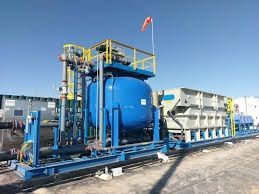
Modern water filtration systems use a combination of physical, chemical, and biological processes to remove impurities such as sediments, microorganisms, dissolved minerals, and pollutants. These systems range from small household units to large-scale industrial water treatment plants that process thousands of liters of water each day.
The need for water treatment emerged as communities faced challenges related to pollution, wastewater discharge, and limited access to clean water sources. Over time, advances in engineering and automation have led to the development of automated water purification systems capable of operating with minimal manual intervention.
Today, water purification technologies are used in residential buildings, hospitals, educational institutions, food processing facilities, manufacturing plants, and municipal infrastructure. Water purification machine manufacturers continue to develop equipment that addresses changing environmental and operational requirements.
Importance
Supporting Public Health
One of the primary reasons for using water purification systems is to reduce contaminants that may affect water quality. Treatment processes help remove particles, microorganisms, and unwanted substances that can be present in natural or processed water sources.
Meeting Industrial Requirements
Many industries require water with specific quality standards. Water treatment solutions for industries help ensure that water used in production processes meets operational requirements. Manufacturing sectors such as pharmaceuticals, electronics, food processing, and power generation often depend on industrial water purification equipment.
Protecting Equipment and Infrastructure
Untreated water can contain minerals and sediments that may contribute to scaling, corrosion, and equipment wear. Industrial filtration systems help reduce these issues by removing unwanted particles before water enters machinery and pipelines.
Supporting Environmental Goals
Water treatment plays an important role in environmental protection. Many industrial water treatment plants are designed to treat wastewater before it is discharged or reused. This process can help reduce pollution and support responsible water management practices.
Addressing Water Scarcity
In regions where water resources are limited, purification and recycling technologies help maximize available supplies. Water purification plant setup projects are increasingly being considered as part of broader water management strategies in both urban and industrial settings.
Recent Updates
Growth of Automation Technologies
Recent developments have increased the use of automated water purification systems. Modern equipment often includes sensors, monitoring platforms, and digital controls that track water quality and system performance in real time.
Focus on Water Reuse
Many industries are exploring water recycling and reuse practices. This trend has increased interest in advanced industrial water purification equipment capable of treating wastewater for non-potable and process-related applications.
Energy-Efficient Filtration Methods
Manufacturers have been developing filtration technologies designed to reduce energy consumption while maintaining treatment effectiveness. Improvements in membrane filtration, ultraviolet treatment, and pressure management systems are examples of this trend.
Integration with Data Monitoring
Digital monitoring tools are becoming more common across commercial water purification machines and industrial facilities. Operators can monitor flow rates, pressure levels, and treatment performance through centralized management systems.
Expansion of Sustainable Treatment Practices
Organizations increasingly focus on reducing waste generation during treatment processes. New approaches emphasize efficient resource use, recovery of valuable materials, and improved water conservation practices.
Laws or Policies
Water purification and treatment activities are often governed by national and regional regulations. These regulations vary by country but generally focus on water quality, environmental protection, and public health.
Drinking Water Standards
Governments typically establish standards that define acceptable levels of contaminants in drinking water. Water purification systems used in municipal and commercial settings are often designed to help meet these requirements.
Industrial Discharge Regulations
Industrial facilities are commonly required to treat wastewater before releasing it into the environment. Industrial water treatment plants must often comply with limits related to chemical content, suspended solids, and other pollutants.
Environmental Protection Programs
Many countries have environmental programs that encourage efficient water management and pollution reduction. These initiatives may influence the design and operation of industrial filtration systems and treatment facilities.
Equipment Certification Requirements
Certain water purification machines may need to meet certification or testing standards that verify safety and performance characteristics. Requirements vary depending on the intended application and local regulations.
Water Resource Management Policies
Government agencies often develop policies aimed at protecting water resources and encouraging sustainable usage. These policies can influence decisions related to water purification plant setup projects and infrastructure planning.
Tools and Resources
Several tools and resources help individuals, businesses, and organizations understand and manage water treatment systems.
Water Quality Testing Tools
Water testing instruments measure factors such as:
- pH levels
- Total dissolved solids (TDS)
- Turbidity
- Conductivity
- Microbial indicators
These measurements help determine treatment requirements.
Digital Monitoring Platforms
Many automated water purification systems include software platforms that monitor system performance and generate operational reports.
Regulatory Information Portals
Government environmental agencies often provide information about water standards, treatment requirements, and compliance guidelines.
Engineering Design Software
Engineers involved in water purification plant setup projects may use specialized software to design treatment processes, model water flow, and evaluate system performance.
Industry Associations and Research Organizations
Professional organizations publish technical guidance, educational materials, and research findings related to water treatment technologies and operational practices.
Common Water Purification Technologies
| Technology | Primary Purpose | Typical Application |
|---|---|---|
| Sediment Filtration | Removes suspended particles | Residential and industrial systems |
| Activated Carbon Filtration | Reduces odors and organic compounds | Commercial and household use |
| Reverse Osmosis | Removes dissolved contaminants | Drinking water and industrial processes |
| Ultraviolet Treatment | Inactivates microorganisms | Municipal and commercial facilities |
| Ion Exchange | Reduces mineral content | Industrial processing |
| Membrane Filtration | Separates fine particles and contaminants | Industrial water purification equipment |
FAQs
What are water purification machines?
Water purification machines are devices that remove contaminants from water through various treatment methods such as filtration, membrane separation, ultraviolet treatment, and chemical processes. They are used in residential, commercial, and industrial settings.
How do water purification systems work?
Water purification systems work by passing water through one or more treatment stages. These stages may remove particles, microorganisms, dissolved substances, and other impurities depending on the system design and intended use.
What is the difference between commercial water purification machines and industrial water purification equipment?
Commercial water purification machines are typically used in facilities such as offices, schools, restaurants, and healthcare buildings. Industrial water purification equipment is generally designed for larger-scale operations that require higher treatment capacity and specialized water quality control.
What factors are considered during a water purification plant setup?
A water purification plant setup typically considers source water quality, treatment objectives, capacity requirements, regulatory standards, available space, energy consumption, and maintenance planning.
Why are industrial filtration systems important?
Industrial filtration systems help remove particles and contaminants that may affect production processes, equipment performance, and water quality. They are commonly used as part of broader water treatment solutions for industries.
Conclusion
Water purification technologies play a significant role in maintaining water quality across residential, commercial, and industrial environments. Modern water purification machines and water filtration systems use a variety of treatment methods to address different water quality challenges. Advances in automation, monitoring, and sustainability continue to influence the development of industrial water purification equipment and treatment facilities. Understanding these systems helps individuals and organizations make informed decisions about water management and treatment practices.