Wearable Medical Device Manufacturing Insights: Innovations Shaping the Future of Healthcare Technology
Wearable medical device manufacturing has become an important part of modern healthcare technology.
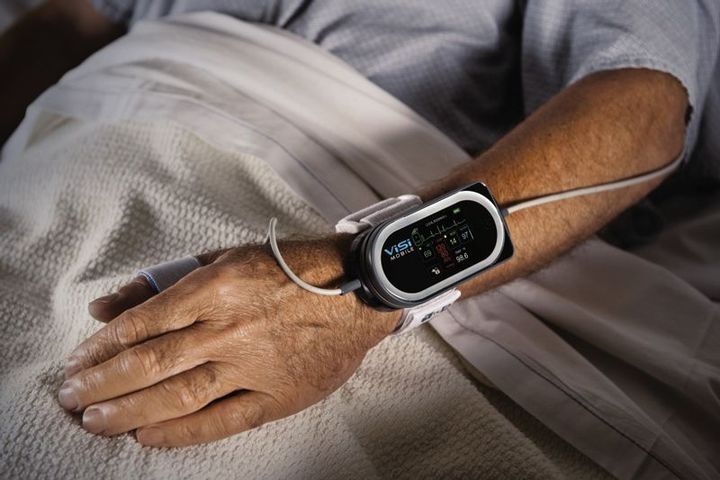
These devices are designed to be worn on the body and help collect health-related information in real time. Over the past decade, advances in sensors, wireless communication, miniaturized electronics, and data analytics have contributed to the rapid development of wearable medical devices.
Medical wearable technology was initially focused on basic fitness tracking. However, it has expanded into more advanced healthcare applications, including heart rhythm monitoring, blood pressure tracking, glucose measurement, sleep analysis, and respiratory monitoring. Today, wearable healthcare devices are used in hospitals, clinics, research environments, and home settings.
The growth of wearable health monitoring devices is linked to the increasing demand for continuous health observation. Traditional healthcare assessments often rely on occasional visits to medical facilities. In contrast, smart medical wearables can collect data throughout the day, providing a broader picture of an individual's health status.
Manufacturers are continually developing wearable biosensors and connected healthcare devices that are smaller, lighter, and more comfortable while maintaining accurate data collection capabilities.
Evolution of Wearable Healthcare Technology
The development of wearable medical devices has followed several stages:
- Early devices focused primarily on activity tracking.
- Advanced sensors enabled monitoring of physiological signals.
- Wireless connectivity allowed data sharing with healthcare professionals.
- Artificial intelligence and analytics improved data interpretation.
- Remote patient monitoring devices expanded healthcare access beyond clinical settings.
These advancements have transformed wearable technology from simple tracking tools into sophisticated healthcare monitoring systems.
Importance
Wearable medical devices play a significant role in supporting healthcare management. Their ability to collect health information continuously helps improve understanding of long-term health patterns.
Supporting Ongoing Health Monitoring
Many health conditions require regular observation. Cardiac monitoring wearables, blood pressure monitoring wearables, and glucose monitoring wearable devices allow individuals and healthcare providers to monitor important health indicators over time.
Continuous monitoring can help identify trends that may not be visible during occasional medical examinations.
Expanding Access to Healthcare
Remote patient monitoring devices have become increasingly important for individuals who live far from healthcare facilities or require regular follow-up care. These technologies help healthcare professionals review patient information without requiring frequent in-person visits.
Improving Data Collection
Traditional health assessments often capture information at a single point in time. Wearable biosensors collect data throughout daily activities, sleep, exercise, and rest periods. This continuous stream of information provides a more complete understanding of health conditions.
Supporting Healthcare Research
Researchers use wearable healthcare devices to gather large amounts of real-world health data. This information contributes to studies involving cardiovascular health, diabetes management, sleep disorders, physical activity, and aging populations.
Common Applications of Wearable Medical Devices
| Application Area | Typical Device Function |
|---|---|
| Heart Health | Heart rate and rhythm monitoring |
| Diabetes Management | Continuous glucose monitoring |
| Blood Pressure Tracking | Ongoing blood pressure measurement |
| Sleep Analysis | Sleep duration and quality monitoring |
| Respiratory Monitoring | Breathing pattern observation |
| Physical Activity | Movement and exercise tracking |
| Elderly Care | Fall detection and activity monitoring |
Recent Updates
Recent developments in wearable medical device manufacturing have focused on improving accuracy, comfort, connectivity, and data analysis capabilities.
Advanced Wearable Biosensors
Manufacturers are developing wearable biosensors capable of monitoring multiple physiological signals simultaneously. Modern sensors can track heart rate, temperature, oxygen saturation, hydration levels, and movement using a single device.
Flexible materials and skin-friendly designs are also becoming more common, improving user comfort during extended wear.
Artificial Intelligence Integration
Artificial intelligence is increasingly being incorporated into wearable healthcare devices. AI algorithms help identify patterns within large datasets collected by wearables and can assist healthcare professionals in reviewing health information more efficiently.
These systems are commonly used in healthcare monitoring systems that analyze trends over extended periods.
Growth of Connected Healthcare Devices
Connected healthcare devices continue to expand through improved wireless communication technologies. Data collected by wearable medical devices can be transmitted securely to healthcare platforms, allowing healthcare teams to review information remotely.
This trend supports broader adoption of remote patient monitoring devices across various healthcare settings.
Development of Non-Invasive Monitoring
Research continues to focus on non-invasive monitoring techniques. Manufacturers are exploring methods to measure health indicators through the skin without requiring frequent invasive procedures.
Examples include ongoing work involving glucose monitoring wearable devices and advanced blood pressure monitoring wearables.
Miniaturization and Battery Improvements
Smaller components and improved battery technology have allowed wearable medical devices to become lighter and more energy efficient. Longer battery life helps reduce interruptions in health monitoring activities.
Laws or Policies
Wearable medical device manufacturing is influenced by regulations designed to protect patient safety, data privacy, and device effectiveness.
Medical Device Regulations
In many countries, wearable medical devices that perform healthcare-related functions are regulated as medical devices. Manufacturers must demonstrate that products meet established safety and performance standards before entering healthcare markets.
Regulatory requirements vary depending on the intended use and risk level of the device.
Data Privacy and Security Requirements
Because wearable healthcare devices collect personal health information, manufacturers must comply with data protection regulations. These rules generally focus on:
- Secure storage of health information
- Protection against unauthorized access
- Transparency regarding data collection
- User consent for data processing
- Secure transmission of health records
Quality Management Standards
Manufacturing organizations often follow internationally recognized quality management frameworks for medical devices. These standards help ensure consistent production processes and product reliability.
Connected Device Cybersecurity
As connected healthcare devices become more common, cybersecurity requirements are receiving greater attention. Regulatory authorities increasingly emphasize software updates, risk assessments, and protection against cyber threats.
Government Healthcare Technology Programs
Many governments support digital healthcare initiatives that encourage adoption of healthcare monitoring systems. These programs often focus on improving healthcare accessibility, chronic disease management, and healthcare infrastructure modernization.
Tools and Resources
Several tools and resources support wearable medical device manufacturing, research, and healthcare implementation.
Design and Development Software
Engineers frequently use computer-aided design platforms to develop wearable device components, sensor housings, and electronic systems. Simulation software can help evaluate device performance before physical production begins.
Health Data Management Platforms
Healthcare monitoring systems often rely on cloud-based platforms that store, organize, and analyze data generated by wearable medical devices. These platforms assist healthcare professionals in reviewing patient information efficiently.
Regulatory Guidance Portals
Government regulatory agencies provide online resources that explain medical device classification, testing requirements, documentation expectations, and compliance procedures.
Clinical Research Databases
Clinical research databases contain studies related to wearable biosensors, remote patient monitoring devices, and emerging healthcare technologies. Researchers use these resources to evaluate device effectiveness and identify future development opportunities.
Interoperability Standards Resources
Organizations involved in connected healthcare devices often rely on interoperability frameworks that help different healthcare technologies exchange information consistently and securely.
FAQs
What is wearable medical device manufacturing?
Wearable medical device manufacturing refers to the design, development, testing, and production of devices that are worn on the body to monitor, collect, or transmit health-related information.
How do wearable healthcare devices help patients?
Wearable healthcare devices can continuously track health metrics such as heart rate, blood pressure, sleep patterns, activity levels, and other physiological measurements. This information can support ongoing healthcare management and monitoring.
What are wearable biosensors?
Wearable biosensors are specialized sensors integrated into wearable medical devices that measure biological signals. They can monitor factors such as heart activity, temperature, oxygen levels, movement, and other health indicators.
What are remote patient monitoring devices?
Remote patient monitoring devices are technologies that collect patient health information outside traditional healthcare facilities and transmit that information to healthcare professionals for review and assessment.
Are glucose monitoring wearable devices and cardiac monitoring wearables considered medical devices?
In many regions, glucose monitoring wearable devices and cardiac monitoring wearables are regulated as medical devices when they are intended for healthcare-related monitoring or clinical use. Regulatory classification depends on the device's intended purpose and functionality.
Conclusion
Wearable medical device manufacturing continues to shape the future of healthcare technology through advances in sensors, connectivity, data analysis, and device design. Wearable medical devices now support a wide range of applications, including health monitoring, chronic condition management, and remote healthcare delivery. Ongoing developments in wearable biosensors, connected healthcare devices, and healthcare monitoring systems are expanding the capabilities of modern healthcare technology. As regulations and technology continue to evolve, wearable devices are expected to remain an important component of healthcare innovation.