Welding Machine Rentals: Complete Guide for Choosing the Right Equipment
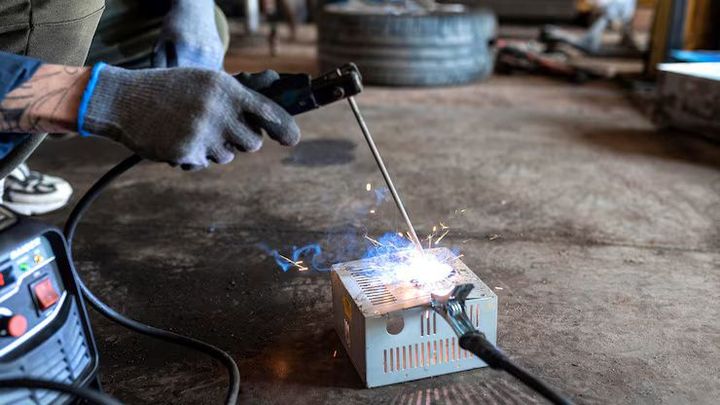
Welding machines are essential tools used to join metal components through heat and pressure. They are widely used in industries such as construction, automotive manufacturing, shipbuilding, metal fabrication, and infrastructure development. Welding machine rentals refer to the temporary use of welding equipment for a specific project or time period instead of maintaining permanent ownership.
The concept of welding machine access exists because many projects are short-term, specialized, or require different types of equipment. Not every task needs a permanent welding setup, especially when machines are required only for limited use.
Welding equipment varies depending on material type, thickness, and welding process. As a result, industries often rely on flexible access to specialized machines to meet changing project demands.
Common Types of Welding Machines
Different welding machines support specific applications and materials. Choosing the right machine is essential for achieving quality results.
- MIG welding machines (Metal Inert Gas)
- TIG welding machines (Tungsten Inert Gas)
- Stick welding machines (Shielded Metal Arc Welding)
- Flux-cored arc welding machines
- Plasma cutting systems
Each machine is designed for a particular purpose. For example, MIG welding is commonly used in automotive work, while TIG welding is ideal for precision tasks involving stainless steel and aluminum.
Why Welding Machine Access Matters in Modern Industries
Welding plays a vital role in building infrastructure and manufacturing systems. Bridges, buildings, pipelines, and vehicles all depend on strong welded joints.
Modern industries are rapidly adopting advanced welding technologies. Access to updated equipment allows organizations to maintain efficiency, safety, and product quality.
Key Industries That Benefit
Several sectors rely on welding machines for daily operations and project execution. Flexible access helps them meet temporary or specialized requirements.
- Construction and infrastructure development
- Manufacturing and fabrication workshops
- Shipbuilding and marine engineering
- Automotive production and repair
- Energy and pipeline projects
Common Use Cases for Temporary Equipment
Short-term access to welding machines supports a variety of project needs. It helps reduce costs and improve operational flexibility.
- Specialized welding processes
- Temporary infrastructure projects
- Equipment testing and training
- Large-scale construction timelines
Welding Methods and Applications
The following table shows common welding processes and their typical uses:
| Welding Method | Typical Materials | Common Applications |
|---|---|---|
| MIG Welding | Steel, aluminum | Automotive, fabrication |
| TIG Welding | Stainless steel, aluminum | Aerospace, precision work |
| Stick Welding | Structural steel | Construction, repair work |
| Flux-Cored Welding | Thick steel | Shipbuilding, heavy equipment |
Recent Updates and Trends in Welding Technology
The welding industry has seen significant advancements in recent years. In 2025, there has been a noticeable shift toward automation and digital integration.
Key Industry Trends
- Adoption of inverter-based welding machines
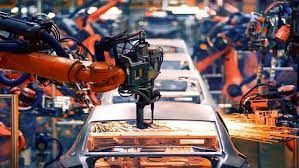
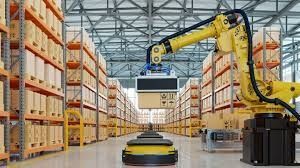
- Growth of robotic welding systems
- Integration of digital monitoring tools
- Increased focus on energy efficiency
Inverter welders are now widely used due to their compact design and energy efficiency. Robotic systems are improving consistency in large-scale manufacturing environments.
Digital Monitoring Capabilities
Modern welding machines now include digital dashboards for real-time performance tracking. These systems help improve weld quality and reduce defects.
- Welding current monitoring
- Voltage stability tracking
- Arc performance analysis
- Heat control management
Industry Focus Areas in 2025
| Industry Focus Area | Growth Trend 2025 |
|---|---|
| Smart welding equipment | High |
| Robotic welding automation | High |
| Energy-efficient systems | Moderate |
| Manual welding processes | Declining |
Laws, Safety Regulations, and Industrial Policies
Welding involves high temperatures and electrical risks, making safety compliance essential. Governments and regulatory bodies enforce strict guidelines to protect workers and environments.
Key Regulatory Bodies
- OSHA (United States)
- European Union safety directives
- India’s Factory Act and industrial safety regulations
Common Safety Requirements
Organizations must follow standard safety practices during welding operations. These rules ensure safe working conditions and reduce hazards.
- Use of personal protective equipment (PPE)
- Proper ventilation systems
- Electrical safety compliance
- Fire prevention measures
Environmental regulations may also apply, especially when welding produces fumes from certain metals or coatings.
Helpful Tools and Digital Resources for Welding Projects
Modern welding projects rely on digital tools for planning, execution, and monitoring. These tools help improve accuracy and efficiency.
Commonly Used Tools
- Welding parameter calculators
- CAD design software (Fusion 360, SolidWorks, AutoCAD)
- Welding simulation software
- Equipment tracking systems
- Technical documentation databases
Overview of Welding Tools
| Tool Type | Purpose |
|---|---|
| Welding calculators | Determine settings and parameters |
| CAD software | Create fabrication designs |
| Simulation platforms | Test welding processes digitally |
| Equipment tracking tools | Monitor usage and maintenance |
| Documentation libraries | Access standards and procedures |
Frequently Asked Questions
What types of welding machines are commonly used?
Common machines include MIG, TIG, stick, and flux-cored welders. Each type is designed for different materials and applications.
How are welding machines different from plasma cutters?
Welding machines join metal parts together, while plasma cutters are used to cut metal using high-temperature plasma arcs.
Why is inverter technology important?
Inverter machines are more energy-efficient and compact. They also provide better arc stability compared to traditional welders.
What safety precautions should be followed?
Workers should use protective gear, ensure proper ventilation, and follow fire and electrical safety guidelines.
Which industries rely on welding technology?
Industries such as construction, automotive, aerospace, shipbuilding, and energy heavily depend on welding processes.
Conclusion
Welding machines are essential for modern manufacturing and infrastructure development. They enable durable metal connections used in critical industries worldwide.
Flexible access to welding equipment allows industries to adapt to project needs and technological advancements. This approach supports efficiency and reduces the need for large equipment inventories.
As technology evolves, welding systems are becoming more automated, energy-efficient, and digitally controlled. Understanding machine types, safety standards, and available tools helps professionals make informed decisions in welding operations.