What Is Green Manufacturing? Meaning, Benefits, and Methods
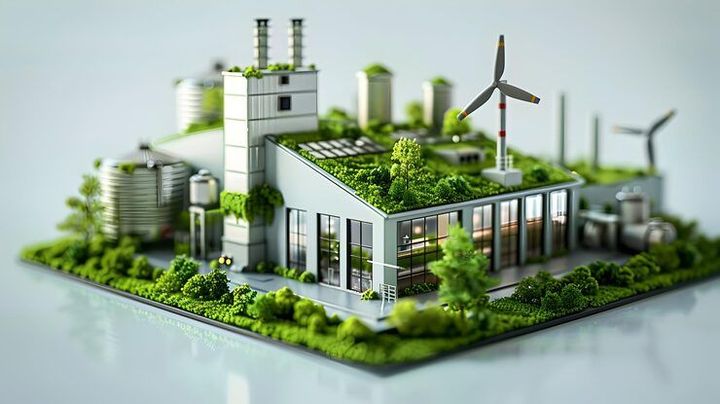
Green manufacturing is an approach to making products in a way that reduces harm to the environment. It focuses on using energy, water, raw materials, and factory processes more carefully so that production creates less waste, less pollution, and fewer carbon emissions. In simple terms, it means making things more smartly and cleanly.
For many years, manufacturing has been one of the world’s biggest drivers of economic growth. It has helped build homes, vehicles, machines, clothing, electronics, and thousands of everyday items. But industrial growth has also brought environmental pressure. Factories can use large amounts of electricity and fuel, release greenhouse gases, create wastewater, and generate scrap materials that end up in landfills. Because of this, many industries are now rethinking how production should work in a world that is more focused on sustainability, climate concerns, and resource efficiency.
Green manufacturing is part of that shift. It does not mean shutting down factories or stopping production. Instead, it means improving how factories operate so they can reduce waste, use cleaner energy sources, recycle materials where possible, and design products with the environment in mind. It is a practical response to growing environmental challenges, rising public awareness, and stricter environmental expectations in many parts of the world.
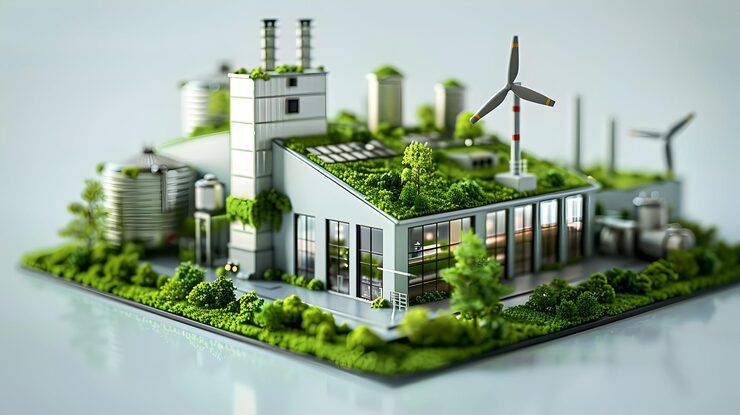
What Green Manufacturing Means in Practice
At its core, green manufacturing is about reducing the environmental footprint of production. That footprint includes everything from electricity use and water consumption to packaging waste and emissions from transport or industrial equipment.
A green manufacturing strategy often looks at the full production cycle, including:
- How raw materials are sourced
- how much energy a plant uses
- How machinery is maintained
- how products are packaged
- How waste is handled
- What happens to a product after it reaches the end of its useful life
This broader view matters because environmental impact does not come from one stage alone. A product may seem efficient to make, but if it uses difficult-to-recycle materials or requires heavy packaging, its overall footprint may still be high. Green manufacturing tries to improve the full system, not just one isolated process.
Why Green Manufacturing Is Becoming More Important
There are several reasons why green manufacturing is gaining attention across industries.
Environmental pressure is growing.
Climate change, water shortages, air pollution, and rising waste levels have pushed environmental issues closer to the center of business and public discussion. Manufacturing plays a major role in these challenges because it uses large volumes of materials and energy. Reducing that impact is becoming more urgent.
Resources are not unlimited.d
Industrial production depends on metals, minerals, fuels, chemicals, water, and agricultural materials. Many of these resources are under pressure due to population growth, global demand, and environmental disruption. More efficient manufacturing helps industries use fewer inputs and reduce unnecessary loss.
Regulations are becoming stricter
In many countries, governments are setting clearer rules around emissions, waste handling, water discharge, and energy performance. This is pushing factories to improve monitoring, reporting, and environmental management.
Public expectations are changing
Consumers, investors, and communities increasingly pay attention to how products are made. People want to know whether manufacturing involves heavy pollution, wasteful packaging, or unsafe disposal practices. As a result, environmental performance has become part of a company’s public reputation.
Main Goals of Green Manufacturing
Green manufacturing can look different depending on the industry, but most efforts are built around a few shared goals.
1. Lower energy use
Factories often run large machines, heating systems, cooling systems, lighting, and transport equipment. Improving efficiency in these areas can reduce energy demand. This may involve modern motors, better insulation, automated shutdown systems, or process redesign.
2. Reduce waste
Manufacturing waste can include scrap metal, plastic offcuts, damaged components, chemical residues, paper packaging, and wastewater. Green manufacturing aims to reduce this waste at the source rather than simply managing it after it appears.
3. Use materials more efficiently
When production lines are designed carefully, fewer raw materials are wasted. This can include more precise cutting, improved quality control, better storage, and product designs that use fewer resources.
4. Cut emissions and pollution
Industrial activity can create greenhouse gases, dust, fumes, wastewater, and other pollutants. Cleaner technologies, energy-efficient systems, and better filtration or treatment processes can help reduce these outputs.
5. Support recycling and reuse
Some factories are redesigning products and packaging so that materials can be recovered and reused more easily. Others are reusing water, reclaiming scrap materials, or using recycled inputs in production.
Common Green Manufacturing Practices
Green manufacturing is not a single tool or machine. It is usually a mix of changes across the factory and supply chain. Some of the most common practices include the following.
Energy-efficient equipment
Older industrial machines often use more electricity than necessary. Replacing outdated motors, pumps, compressors, and lighting systems with efficient alternatives can lower energy use over time. Sensors and smart controls can also help equipment run only when needed.
Waste reduction programs
Factories may study where waste is created during cutting, molding, assembly, painting, or packaging. Once those waste points are identified, teams can adjust workflows to reduce scrap, improve material handling, and prevent defects that create rework.
Water management
Manufacturing processes in sectors such as textiles, food processing, chemicals, and metal treatment may use significant amounts of water. Green manufacturing encourages water recycling, leak detection, treatment systems, and process improvements that reduce overall consumption.
Cleaner materials
Some manufacturers are replacing hazardous or difficult-to-dispose chemicals with safer alternatives where practical. Others are shifting toward recycled materials, biodegradable packaging, or lower-impact raw materials.
Better product design
Product design has a major influence on environmental impact. If a product is made with fewer materials, lasts longer, uses less energy during use, or can be repaired and recycled more easily, its total footprint may be lower.
Renewable energy integration
Some manufacturing sites are beginning to use solar power, wind energy, or renewable electricity from external providers. While this depends on local infrastructure and investment capacity, cleaner energy sources can reduce emissions tied to factory operations.
The Benefits of Green Manufacturing
Green manufacturing is often discussed in environmental terms, but its impact can extend beyond pollution reduction.
Improved efficiency
When factories use less energy, less water, and fewer raw materials, operations often become more efficient. Reducing waste can also improve production consistency and reduce unnecessary process steps.
Stronger risk management
Factories that depend heavily on energy, water, or imported materials may face disruption when prices shift, supplies tighten, or environmental rules change. More efficient systems can help reduce exposure to those risks.
Better long-term planning
Green manufacturing often encourages businesses to look beyond immediate output and think about long-term resilience. This includes planning for resource availability, equipment upgrades, environmental reporting, and product lifecycle impacts.
Healthier local environments
Reducing emissions, dust, wastewater, and hazardous waste can improve conditions for workers and nearby communities. Cleaner production can support better air and water quality around industrial areas.
Challenges in Green Manufacturing
Although the idea is straightforward, applying green manufacturing in real industrial settings is not always easy.
Old infrastructure
Many factories still operate with older machines and layouts that were not designed for efficiency or low emissions. Upgrading equipment and redesigning systems can take time and planning.
Data gaps
Some manufacturers do not have clear data on how much energy, water, or material is being used at each stage of production. Without reliable data, it becomes harder to identify waste and track progress.
Complex supply chains
A factory may improve its own processes, but the environmental impact of a product also depends on suppliers, transport, packaging, and material extraction. This makes green manufacturing a supply-chain issue, not just a factory-floor issue.
Balancing output and environmental goals
Manufacturers still need to meet production targets, maintain quality, and manage operational pressure. Environmental improvements have to be integrated in a way that works with those day-to-day realities.
Industries Where Green Manufacturing Matters
Green manufacturing is relevant across many sectors, but it is especially important in industries with high material use, heavy energy demand, or complex waste streams.
Examples include:
- automotive manufacturing
- electronics and electrical equipment
- textiles and garments
- food and beverage processing
- plastics and packaging
- chemicals and pharmaceuticals
- metal fabrication and machinery production
- construction materials such as cement, glass, and steel
Each industry has different environmental pressures, but the overall direction is similar: use resources more carefully, reduce pollution, and make production more sustainable over time.
The Role of Technology in Green Manufacturing
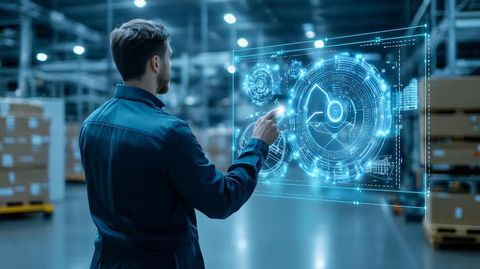
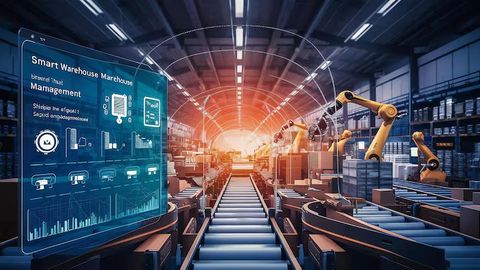
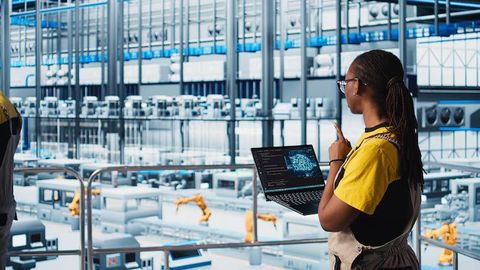
Technology is playing a growing role in helping factories reduce environmental impact. Sensors can track electricity use, machine performance, and water flow in real time. Data software can highlight inefficiencies. Automation can improve precision and reduce material waste. Predictive maintenance can detect machine issues early, helping prevent breakdowns and avoid energy loss from poorly performing equipment.
Digital tools also make environmental reporting easier. Manufacturers can monitor emissions, compare performance across sites, and identify areas that need improvement. While technology is not the whole answer, it is becoming an important support system for greener production.
Looking Ahead
Green manufacturing is likely to become more important as industries respond to climate concerns, environmental regulation, and changing public expectations. The shift will not happen in the same way everywhere. Some factories will move quickly, while others may adopt changes gradually based on available resources, infrastructure, and local policy.
Still, the overall direction is clear. Manufacturing is no longer judged only by how much it produces. Increasingly, it is also judged by how responsibly it uses energy, materials, and natural resources.
Green manufacturing is not about perfection. It is about improvement. It asks a practical question: how can products be made in a way that supports industrial activity while reducing environmental harm? For many manufacturers, that question is becoming central to long-term planning.
Conclusion
Green manufacturing is the effort to make industrial production cleaner, more efficient, and less harmful to the environment. It focuses on reducing waste, lowering emissions, improving energy and water use, and encouraging smarter product and process design. While the path can be challenging, the goal is straightforward: produce what society needs while placing less pressure on the planet.
As environmental concerns continue to shape industry decisions, green manufacturing is becoming an important part of how modern factories plan for the future. It is not a single method or trend. It is a broader shift toward responsible production—one that connects industrial growth with resource efficiency, environmental care, and long-term resilience.