What Is Stainless Steel? A Simple Guide to Grades, Uses, and Benefits
Stainless steel is one of those materials that many people use or see every day without thinking much about it. It appears in kitchen sinks, water bottles, cooking utensils, elevators, hospital equipment, railings, appliances, and even large industrial machines. Its clean look and long-lasting nature have made it a familiar part of homes, public spaces, and manufacturing environments around the world.
At its core, stainless steel is a type of steel that is made to resist rust, stains, and corrosion better than ordinary steel. This is mainly because it contains chromium, a metal that reacts with oxygen in the air to form a thin protective layer on the surface. That invisible layer helps shield the steel from moisture and many everyday conditions that would otherwise cause damage over time.
For non-technical readers, the easiest way to understand stainless steel is to think of it as a practical material built for durability, cleanliness, and appearance. It is strong enough for heavy-duty work, smooth enough for food-related environments, and attractive enough for visible architectural surfaces. Because of this balance, stainless steel is used in both household items and industrial equipment.
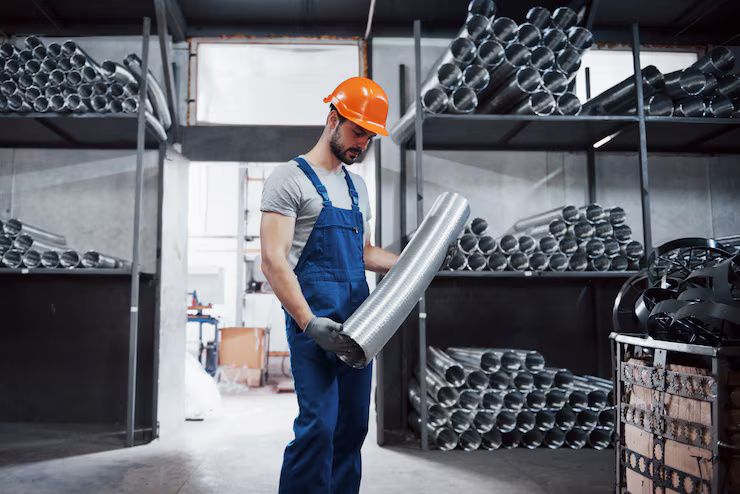
What Stainless Steel Is Made Of
Stainless steel starts with iron, like many other forms of steel, but it includes chromium as a key ingredient. In most cases, stainless steel contains at least around 10.5% chromium. This chromium content is what gives it its corrosion-resistant qualities.
Depending on the intended use, stainless steel may also contain other elements such as:
- Nickel, which can improve corrosion resistance and toughness
- Molybdenum, which can help in harsh or salty environments
- Carbon, which can affect hardness and strength
- Manganese and nitrogen, which can influence durability and structure
Different combinations of these elements create different grades and families of stainless steel. Some are better for kitchens and food preparation, while others are designed for marine, medical, chemical, or heavy industrial environments.
Why Stainless Steel Does Not Rust Easily
No metal is completely immune to damage in every condition, but stainless steel is known for resisting rust much better than ordinary steel. The reason is the protective chromium oxide layer that forms naturally on its surface. If the surface gets scratched lightly, this layer can often rebuild itself when exposed to oxygen.
This does not mean stainless steel can never stain or corrode. In very harsh environments—such as areas with high salt exposure, strong chemicals, or poor cleaning habits—even stainless steel may show damage over time. Still, compared with many other metals, it performs very well in environments where moisture and cleanliness matter.
Common Types of Stainless Steel
Stainless steel is not a single material. It comes in different types, and each one is designed for particular conditions. For a general audience, the most useful way to understand this is through the major categories.
Austenitic Stainless Steel
This is one of the most widely used categories. It is known for good corrosion resistance, good formability, and a smooth finish. It is commonly used in kitchen equipment, food processing, household items, tanks, and building materials. Grades such as 304 and 316 often belong to this family.
Ferritic Stainless Steel
Ferritic stainless steel usually contains chromium but less nickel. It can be used in automotive parts, appliances, and decorative applications. It often has good resistance to stress corrosion cracking and can be a practical choice for many everyday uses.
Martensitic Stainless Steel
This type is generally harder and stronger than some other stainless steel families, but it may have lower corrosion resistance in comparison. It is often used in tools, blades, valves, and components that need wear resistance and strength.
Duplex Stainless Steel
Duplex stainless steel combines features of austenitic and ferritic stainless steel. It is often chosen for environments where both strength and corrosion resistance are important, such as chemical processing and marine settings.
Popular Stainless Steel Grades People Often Hear About
Among the many grades available, a few are especially common in daily life and industrial discussions.
Grade 304 Stainless Steel
304 is widely used because it has a good balance of corrosion resistance, durability, and appearance. It is often found in kitchen sinks, utensils, food preparation surfaces, storage containers, and architectural applications.
Grade 316 Stainless Steel
316 is often used in environments that are more demanding, especially where moisture, salt, or chemicals are present. It is common in marine applications, medical equipment, and some processing industries. The added molybdenum helps improve resistance in tougher conditions.
Grade 430 Stainless Steel
430 is commonly used in decorative trim, appliance panels, and some indoor applications. It may not have the same level of corrosion resistance as 304 or 316, but it is still useful in many dry or mild environments.
Everyday Uses of Stainless Steel
One reason stainless steel matters so much is its wide range of uses. It is not limited to factories or technical industries. Many people interact with it every day.
In the Kitchen
Stainless steel is a familiar material in kitchens because it is durable, easy to clean, and generally resistant to staining. It is used for:
- Sinks
- Cookware
- Cutlery
- Water bottles
- Food storage containers
- Kitchen countertops and backsplashes
In Buildings and Public Spaces
Architects and builders often use stainless steel for both appearance and durability. It can be seen in:
- Railings
- Elevator panels
- Wall cladding
- Door handles
- Escalator parts
- Public seating and fixtures
In Hospitals and Laboratories
Cleanliness is essential in healthcare and lab settings. Stainless steel is often chosen because it can be cleaned thoroughly and can handle repeated exposure to disinfecting agents. It is used in:
- Surgical instruments
- Trolleys
- Work tables
- Medical trays
- Storage cabinets
In Industry and Manufacturing
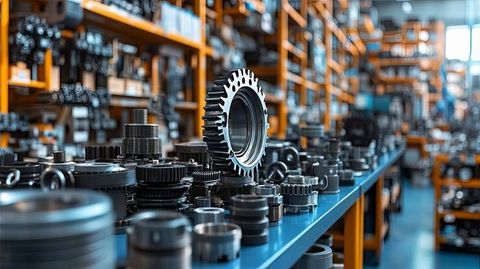
In industrial environments, stainless steel is used for equipment, tanks, pipes, machine components, and processing systems. Industries such as food processing, pharmaceuticals, chemicals, water treatment, and manufacturing rely on it because it can handle demanding conditions while maintaining strength and hygiene.
Why Stainless Steel Is Important in Machinery
In machine-related applications, stainless steel is valued for a combination of mechanical strength and surface durability. Machines often operate in environments where heat, moisture, friction, chemicals, or regular cleaning are part of daily operations. In such conditions, a material that weakens quickly or corrodes easily can create maintenance problems and reduce equipment life.
Stainless steel helps reduce those concerns. It is commonly used in machine frames, covers, fasteners, shafts, tanks, conveyor components, mixing systems, and food-contact surfaces. In industries such as packaging, food processing, pharmaceuticals, and chemical handling, stainless steel can help maintain cleaner production conditions while standing up to repeated use.
Another reason it is widely used in machinery is that it can support both function and appearance. In visible production environments, equipment made with stainless steel often gives a cleaner and more professional look while still handling industrial workloads.
Main Advantages of Stainless Steel
Stainless steel remains widely used because it brings together several practical benefits.
Corrosion Resistance
Its resistance to rust and staining is one of its most recognized strengths, especially in damp, wet, or hygiene-focused environments.
Strength and Durability
It can handle physical stress, repeated use, and challenging operating conditions without wearing out quickly.
Clean Appearance
Its smooth, modern finish works well in kitchens, public buildings, and equipment where appearance matters.
Easy Cleaning
Many stainless steel surfaces are easy to wipe down and maintain, which is useful in food, healthcare, and industrial settings.
Long Service Life
When the right grade is selected for the environment, stainless steel can remain functional for many years.
Recyclability
Stainless steel is also known as a recyclable material, which makes it relevant in discussions around resource efficiency and material recovery.
Limitations to Keep in Mind
Even though stainless steel is highly practical, it is not perfect in every situation.
- Not all grades perform the same way
- Some environments require more corrosion-resistant grades than others
- Surface scratches can affect the appearance
- Poor maintenance can still lead to staining in difficult environments
- Material selection matters, especially in coastal, chemical, or high-heat settings
This is why understanding the intended application is important. A stainless steel grade suitable for an indoor kitchen may not be the right fit for a marine processing plant or a chemical production line.
How to Choose the Right Stainless Steel for an Application
For general users, choosing stainless steel usually comes down to a few practical questions:
- Where will it be used?
Indoor, outdoor, coastal, food-related, medical, or industrial environments all place different demands on the material. - Will it come into contact with water, salt, or chemicals?
If yes, a more corrosion-resistant grade may be needed. - Does appearance matter?
For visible surfaces, finish and scratch resistance may be important. - Does it need high strength or heat resistance?
Some applications need stainless steel mainly for structural performance rather than appearance. - Will it be cleaned often?
Repeated washing, sanitizing, or chemical cleaning can influence grade selection.
Final Thoughts
Stainless steel is one of the most practical materials used in modern life. It is present in homes, public infrastructure, healthcare spaces, and industrial machinery because it combines durability, corrosion resistance, cleanliness, and a simple, modern appearance. While many people think of it mainly as a kitchen material, its role goes far beyond that.
From household sinks to machine components in processing plants, stainless steel supports environments where strength, hygiene, and reliability matter. Understanding the different types, common grades, and basic advantages can make it easier to recognize why this material is used so widely. For general readers, the key takeaway is simple: stainless steel is not just about shine or appearance—it is a functional material designed to perform well in everyday and industrial settings alike.