Wire Processing Machine Overview: Features, Functions and Benefits
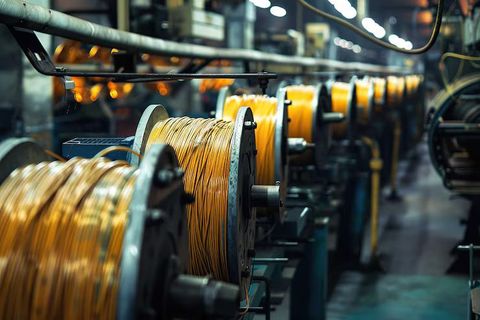
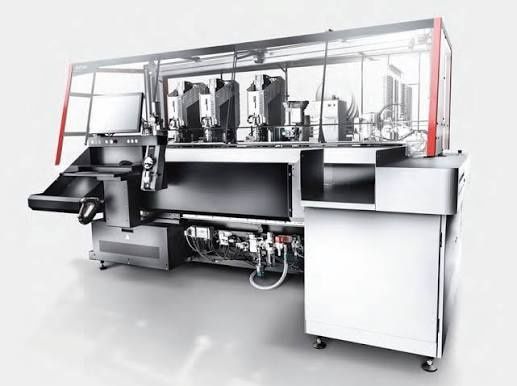
Wire processing machines play an important role in modern manufacturing and electrical production. These machines are designed to prepare wires and cables for various applications by performing tasks such as cutting, stripping, crimping, marking, and terminating. As industries continue to adopt automation, the demand for efficient wire processing equipment has increased across sectors including automotive, electronics, telecommunications, and industrial manufacturing.
A wire processing machine helps improve consistency, reduce manual effort, and support higher production efficiency. Whether used in small workshops or large-scale manufacturing facilities, these machines contribute to accurate wire preparation and help maintain product quality. Understanding their features, functions, and benefits can help businesses and professionals make informed decisions about wire processing operations.
Context
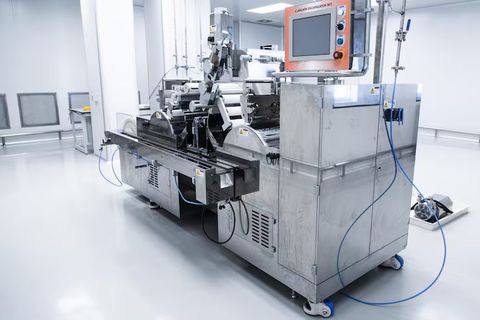
Wire processing machines are specialized pieces of equipment used to prepare electrical wires and cables for assembly and installation. Traditionally, wire preparation was performed manually, which often required significant labor and introduced the possibility of errors. The development of automated wire processing technology has transformed the industry by enabling faster and more accurate operations.
These machines can handle different wire sizes, insulation types, and production requirements. Depending on the application, a wire processing machine may perform a single function or multiple functions within one integrated system. The primary purpose is to ensure that wires are processed accurately according to specified requirements while reducing waste and production time.
Common Functions of Wire Processing Machines
Modern wire processing equipment may include the following capabilities:
- Wire cutting
- Insulation stripping
- Terminal crimping
- Wire twisting
- Wire marking and labeling
- Cable bundling
- Quality inspection
Types of Wire Processing Equipment
| Machine Type | Primary Function |
|---|---|
| Wire Cutting Machine | Cuts wires to precise lengths |
| Wire Stripping Machine | Removes insulation from wire ends |
| Crimping Machine | Attaches terminals and connectors |
| Automatic Wire Processing Machine | Combines multiple processing steps |
| Wire Marking System | Prints identification information on wires |
| Cable Assembly Machine | Supports cable harness production |
Importance
Wire processing machines are important because electrical systems rely on properly prepared wires and cables. Even minor inconsistencies can affect product performance, reliability, and safety. Automated wire processing helps maintain consistent quality across production batches.
Industries that depend heavily on wire processing include automotive manufacturing, consumer electronics, aerospace, telecommunications, renewable energy, and industrial automation. In these sectors, precise wire preparation is essential for maintaining reliable electrical connections.
The use of wire processing equipment can provide several advantages:
- Improved production efficiency
- Enhanced accuracy and repeatability
- Reduced material waste
- Better product consistency
- Support for high-volume manufacturing
- Reduced risk of processing errors
As production requirements become more complex, manufacturers increasingly rely on advanced wire processing machines to meet quality standards and operational goals.
Recent Updates
The wire processing industry has experienced significant developments between 2024 and 2026. Manufacturers are integrating digital technologies and automation features to improve performance and operational visibility.
One major trend is the adoption of smart manufacturing systems. Modern wire processing machines can connect with factory management software, enabling real-time monitoring of production activities and machine performance. This helps organizations track efficiency and identify maintenance requirements before disruptions occur.
Another important development is the increased use of artificial intelligence and machine vision systems. These technologies support automatic quality inspections by detecting defects, incorrect wire lengths, or improper stripping operations during production.
Sustainability has also become a growing focus. Equipment manufacturers are developing energy-efficient systems and optimizing material usage to reduce waste. Many facilities are implementing environmentally responsible production practices while maintaining productivity.
Flexible manufacturing solutions have gained attention as well. New-generation wire processing equipment is designed to accommodate multiple wire types and production requirements with minimal setup changes, supporting a wider range of applications.
Laws or Policies
Wire processing activities are influenced by various regulations and industry standards related to electrical safety, manufacturing quality, and workplace operations. While specific requirements vary by country and industry, organizations generally follow recognized standards to ensure compliance.
Common regulatory and standards-related areas include:
- Electrical safety requirements
- Occupational health and workplace safety regulations
- Product quality standards
- Environmental management guidelines
- Equipment maintenance and inspection requirements
International standards organizations often provide frameworks that support consistent manufacturing practices. Examples include quality management standards and electrical component specifications used across global industries.
Manufacturers using wire processing machines typically establish documented procedures for equipment operation, maintenance, employee training, and quality verification. These measures help maintain safe and reliable production environments while supporting regulatory compliance.
Tools and Resources
Various tools and resources can assist professionals working with wire processing equipment. These resources help with planning, design, quality control, and operational management.
Useful categories of resources include:
- Wire gauge calculation tools
- Cable sizing calculators
- Production planning software
- Equipment maintenance management platforms
- Electrical design software
- Quality inspection checklists
- Technical standards databases
Many manufacturers also provide operator manuals, training materials, and technical documentation that support machine setup and operation. Industry associations and engineering organizations regularly publish guidance documents that help professionals stay informed about emerging technologies and best practices.
Organizations can benefit from maintaining standardized templates for:
- Maintenance schedules
- Equipment inspection records
- Production quality reports
- Operator training documentation
- Process verification checklists
These resources support consistency and help improve overall operational efficiency.
FAQs
What is a wire processing machine?
A wire processing machine is equipment used to prepare wires and cables by performing tasks such as cutting, stripping, crimping, marking, and terminating according to specific production requirements.
Which industries use wire processing equipment?
Industries such as automotive, electronics, telecommunications, aerospace, renewable energy, and industrial manufacturing commonly use wire processing equipment.
What are the main benefits of automated wire processing?
Automated wire processing improves accuracy, production efficiency, consistency, and quality while helping reduce material waste and manual handling.
Can one machine perform multiple wire processing tasks?
Yes. Many modern automatic wire processing machines combine cutting, stripping, crimping, marking, and inspection functions within a single system.
Why is quality control important in wire processing?
Quality control helps ensure that wires meet required specifications, maintain reliable electrical connections, and support the safe operation of finished products.
Conclusion
Wire processing machines are essential tools in modern manufacturing and electrical production environments. They help prepare wires and cables with greater accuracy, consistency, and efficiency than traditional manual methods. Advances in automation, smart manufacturing, and quality inspection technologies continue to improve machine capabilities and operational performance. As industries increasingly depend on reliable electrical systems, wire processing equipment remains an important part of achieving quality, productivity, and compliance objectives.