XR Environmental Sensors: A Complete Guide to Features, Uses, and Future Technology
XR environmental sensors combine extended reality (XR) technology with environmental monitoring systems to collect and display real-time data about surroundings. XR is an umbrella term that includes virtual reality (VR), augmented reality (AR), and mixed reality (MR) technologies. When integrated with sensor networks, XR allows users to visualize environmental conditions in immersive digital environments.
Environmental sensors traditionally measure factors such as temperature, humidity, air quality, gas concentration, and light intensity. XR (Extended Reality) technology enhances how this data is interpreted and used.
Instead of reading numbers on dashboards, users can view environmental data through interactive visual overlays or digital simulations. This improves understanding and enables faster decision-making.
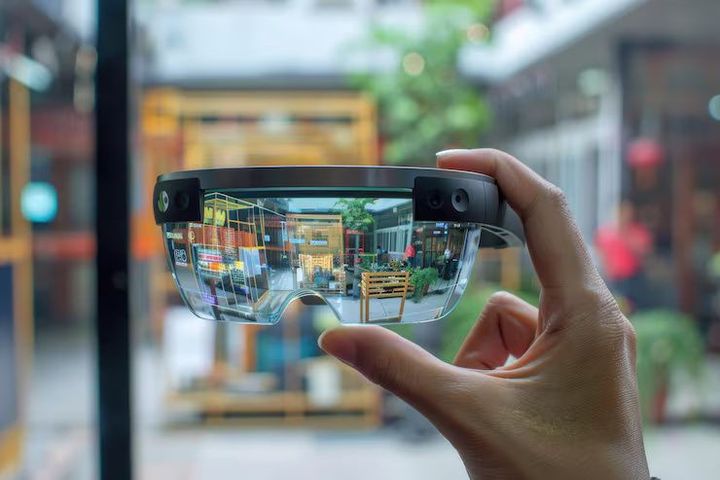
For example, engineers in smart buildings can use augmented reality headsets to visualize temperature maps or air quality levels in real time within physical spaces.
How XR Environmental Sensors Work
Data Collection and Integration
XR environmental sensors are typically connected to IoT networks, cloud platforms, and analytics systems. This allows continuous monitoring and data sharing across systems.
These sensors collect various environmental parameters, including:
- Air quality (PM2.5, PM10)
- Temperature and humidity
- Carbon dioxide (CO₂) levels
- Noise levels
- Light intensity
- Soil moisture
- Atmospheric pressure
XR Visualization
XR technology transforms collected data into immersive visual environments. This allows users to see patterns, anomalies, and conditions directly within real-world contexts.
Industries such as manufacturing, agriculture, and urban planning benefit from improved situational awareness using these tools.
Why XR Environmental Sensors Matter
Environmental monitoring has become critical in modern infrastructure and sustainability initiatives. XR sensors improve how environmental data is collected, analyzed, and communicated.
Key Drivers of Adoption
Several global trends are accelerating the adoption of XR environmental sensors:
- Climate monitoring and sustainability initiatives
- Smart city development
- Industrial safety improvements
- Energy-efficient building management
- Precision agriculture and research
Benefits Across Industries
XR-enabled systems provide spatial visualization, making data easier to interpret compared to traditional dashboards.
Key benefits include:
- Improved understanding of complex environmental data
- Real-time visualization of risks
- Faster response in large facilities
- Enhanced situational awareness
Industry Applications
Different professionals use XR environmental sensors in various ways:
- Urban planners: Visualize pollution patterns across cities
- Industrial engineers: Monitor gas levels and ventilation
- Agriculture professionals: Track soil moisture and microclimates
- Environmental researchers: Analyze climate models using simulations
Technology Trends and Recent Developments
Recent advancements in 2024 and early 2025 have accelerated innovation in XR environmental monitoring.
Key Innovations
- AI-driven environmental analytics
- High-accuracy particulate and carbon sensors
- Real-time XR dashboards
- Edge computing for faster processing
- Integration with 5G networks
Digital twin technology is also gaining traction. It creates virtual models of real-world environments and integrates sensor data for real-time analysis.
Emerging Use Cases
- Urban planning simulations using XR digital twins
- Wearable XR devices for field engineers
- Smart factory monitoring systems
- Predictive analytics for environmental forecasting
Regulations and Environmental Monitoring Policies
Environmental monitoring technologies must comply with both environmental and digital regulations.
Air Quality Standards
Many countries follow guidelines from global organizations such as WHO. These standards regulate pollutants like:
- Nitrogen dioxide (NO₂)
- Sulfur dioxide (SO₂)
- Ozone (O₃)
- Particulate matter
Industrial Compliance
Manufacturing facilities must monitor emissions and environmental conditions to meet regulatory requirements. XR tools help interpret these readings more effectively.
Smart City Policies
Governments worldwide are investing in smart city infrastructure. These initiatives include widespread deployment of environmental sensor networks.
Data Privacy Regulations
Environmental sensor networks may collect location-based data. Regulations ensure proper data storage, processing, and cybersecurity compliance.
Tools and Resources for Environmental Monitoring
Various platforms and tools support XR environmental sensor systems.
Environmental Data Platforms
These platforms provide:
- Real-time data streams
- Geographic mapping
- Predictive analytics
- Automated alerts
IoT Device Management Platforms
Common features include:
- Device configuration
- Data integration
- Firmware monitoring
- Remote diagnostics
XR Visualization Software
These tools offer:
- Augmented reality overlays
- Digital twin simulations
- Interactive maps
- Immersive data visualization
Environmental Sensor Types and Applications
| Sensor Type | Environmental Parameter | Typical Applications |
|---|---|---|
| Air Quality Sensor | PM2.5, PM10, CO₂ | Urban monitoring, indoor air quality |
| Temperature Sensor | Heat and climate conditions | Smart buildings, agriculture |
| Humidity Sensor | Moisture levels | Climate control systems |
| Gas Sensor | Chemical detection | Industrial safety monitoring |
| Light Sensor | Illumination levels | Smart lighting systems |
XR Environmental Monitoring Workflow
| Step | Process Description |
|---|---|
| Data Collection | Sensors capture environmental measurements |
| Data Transmission | IoT networks send data to cloud platforms |
| Data Analysis | Systems analyze patterns and trends |
| XR Visualization | Data displayed in immersive XR environments |
| Decision Support | Users take action based on insights |
Frequently Asked Questions
What are XR environmental sensors?
XR environmental sensors combine traditional sensors with extended reality technology. They enable visualization of environmental data in immersive formats.
How do these sensors work?
Sensors collect data and transmit it to cloud or IoT systems. XR software converts this data into visual overlays or simulations.
Where are they used?
They are commonly used in:
- Smart cities
- Manufacturing facilities
- Agriculture
- Research labs
- Smart buildings
What do they measure?
They measure:
- Temperature
- Humidity
- Air pollution
- CO₂ levels
- Noise
- Light
- Soil moisture
How does XR improve monitoring?
XR provides spatial visualization, making it easier to detect patterns and anomalies compared to traditional dashboards.
Conclusion
XR environmental sensors represent a major advancement in environmental monitoring and digital infrastructure. They combine sensor networks with immersive visualization to simplify complex data interpretation.
Recent developments in AI, IoT, and smart city technologies have accelerated their adoption. These systems support sustainability, industrial safety, and environmental research.
As technology evolves, XR environmental monitoring is expected to become more accurate, interactive, and integrated into modern digital ecosystems.