3D Printing Machines: An Informative Guide to Basics, Uses, and Modern Printing Technology
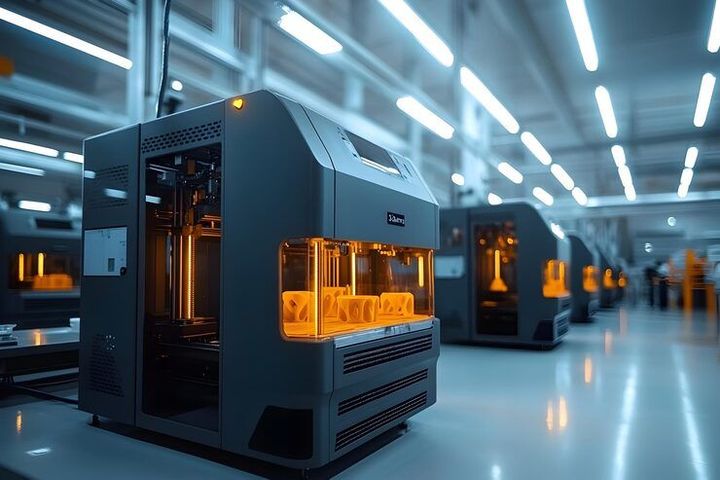
3D printing machines are advanced manufacturing devices that create three-dimensional objects by building them layer by layer from digital models. This process is commonly known as additive manufacturing, a method that differs from traditional manufacturing where materials are cut, drilled, or molded.
The concept of 3D printing emerged to solve challenges in product prototyping, engineering design, and customized manufacturing. Engineers and designers needed a faster way to transform digital concepts into physical models.
3D printing technology allows objects to be created directly from computer-aided design (CAD) files. This eliminates the need for complex tooling and enables efficient production workflows.
How 3D Printing Machines Work
A typical 3D printing workflow consists of multiple steps that convert digital designs into physical objects. Each step plays a crucial role in ensuring accuracy and quality.
Workflow Steps
- Creating a digital 3D model using CAD software
- Converting the model into printable instructions through slicing software
- Sending instructions to the 3D printer
- Building the object layer by layer using materials like plastic, resin, or metal
3D Printing Workflow Table
| Step | Description |
|---|---|
| Design | Create digital model in CAD software |
| Slice | Convert model into printable layers |
| Machine builds object layer by layer | |
| Post-Processing | Cleaning, curing, or finishing object |
Types of 3D Printing Technologies
Different technologies power modern 3D printing machines. Each method uses specific materials and processes to create objects.
Common 3D Printing Technologies
| Technology Type | Printing Method | Common Materials |
|---|---|---|
| FDM (Fused Deposition Modeling) | Extruding heated filament | PLA, ABS |
| SLA (Stereolithography) | Laser curing liquid resin | Photopolymer resin |
| SLS (Selective Laser Sintering) | Laser fusing powder | Nylon powder |
| Metal 3D Printing | Laser melting metal powder | Titanium, steel |
These technologies exist because industries require flexible manufacturing methods. They support innovation, customization, and rapid development cycles.
Why 3D Printing Machines Matter Today
3D printing technology plays an important role in modern industries by enabling faster product development. Traditional manufacturing often involves molds and tooling, which increase production time.
3D printing removes these limitations and supports more agile manufacturing processes.
Key Benefits
- Reduced material waste during production
- Faster prototyping and product development
- Customization for medical and industrial use
- Small-batch production without complex tooling
Industries Using 3D Printing
- Aerospace engineering
- Automotive manufacturing
- Healthcare and medical devices
- Architecture and construction
- Consumer electronics
For example, aerospace companies produce lightweight components to improve fuel efficiency. Healthcare professionals use 3D printing for customized prosthetics and surgical models.
Another important factor is the rise of Industry 4.0. This concept integrates automation, digital technologies, and data exchange into manufacturing systems.
Recent Developments in 3D Printing Technology
In 2025, the additive manufacturing industry has seen significant improvements in speed, material quality, and automation. These advancements are shaping the future of digital manufacturing.
Key Developments
- Expansion of metal additive manufacturing
- Integration of artificial intelligence for monitoring
- Growth in large-scale construction printing
- Increased use of sustainable materials
AI-powered systems now monitor printing processes in real time. These systems detect defects early and improve production efficiency.
Sustainability is also becoming a major focus. Researchers are developing biodegradable filaments and recycled materials to reduce environmental impact.
Regulations and Policies Affecting 3D Printing
3D printing applications must follow safety and regulatory standards. These regulations ensure responsible manufacturing and protect intellectual property.
Key Regulatory Areas
- Product safety standards
- Environmental regulations
- Intellectual property protection
- Export controls for advanced technologies
Manufacturers often follow international standards such as ISO guidelines. Environmental rules are especially important when working with industrial powders or chemical resins.
Governments also support innovation through digital manufacturing programs. These initiatives encourage research in additive manufacturing and automation technologies.
Tools and Resources for 3D Printing
Various digital tools help users design, simulate, and produce 3D printed objects. These tools are essential for engineers, students, and researchers.
3D Modeling Software
- CAD modeling platforms
- Parametric design tools
- Industrial product design software
Slicing Software
- Layer thickness control
- Print speed adjustments
- Support structure generation
Simulation Tools
- Thermal behavior analysis
- Structural strength testing
- Material distribution evaluation
Educational Resources
Universities and research institutions provide tutorials, guides, and academic papers. These resources help users understand machine operation and design principles.
Growth Factors in Additive Manufacturing
The global adoption of 3D printing continues to grow due to technological and industrial advancements. Several factors contribute to this expansion.
Growth Drivers Table
| Growth Driver | Industry Impact |
|---|---|
| Rapid prototyping | Faster product development |
| Custom manufacturing | Personalized products |
| Reduced waste | Sustainable production |
| Digital manufacturing | Integration with Industry 4.0 |
Large-scale construction printing is another emerging trend. Specialized machines can create building components using concrete materials.
Frequently Asked Questions About 3D Printing Machines
What materials can 3D printing machines use?
3D printers can use thermoplastics, resins, metal powders, ceramics, and composites. The material depends on the printing technology used.
How accurate are 3D printing machines?
Accuracy varies by machine and method. Industrial printers can achieve extremely precise results with very small tolerances.
Can 3D printing produce complex shapes?
Yes, additive manufacturing allows the creation of complex geometries. These shapes are often impossible with traditional methods.
Is 3D printing used in healthcare?
Yes, it is widely used for surgical models, prosthetics, and dental applications. It also supports medical research and device development.
What industries use 3D printing the most?
Industries such as aerospace, automotive, healthcare, architecture, and electronics frequently use 3D printing.
Conclusion
3D printing machines represent a major advancement in manufacturing technology. They enable objects to be created layer by layer from digital designs, supporting innovation and efficiency.
The technology continues to evolve with improvements in AI, materials, and automation. These advancements are expanding its applications across industries.
Understanding 3D printing provides valuable insight into the future of manufacturing. As adoption grows, it will remain a key part of global industrial development.