A Complete Guide to Industrial Process Engineering Technologies and Applications
Industrial process engineering focuses on designing, improving, and managing the methods used to transform raw materials into finished products. The field combines chemistry, physics, mathematics, computer science, and mechanical principles to support efficient production across many industries.
Modern industrial process engineering includes industrial automation engineering, process plant engineering, and industrial process control systems. These disciplines work together to help factories maintain consistent quality, reduce waste, and improve resource utilization.
Historically, manufacturing relied heavily on manual observation and mechanical controls. Over time, electronic instruments, digital monitoring tools, and advanced process engineering technologies changed how industries operate. Today, many facilities use integrated systems that connect equipment, sensors, and analytical platforms.
Industrial sectors such as food production, energy, chemicals, pharmaceuticals, mining, and water treatment depend on process engineering principles. Although the products differ, the underlying goal remains similar: transforming inputs into outputs safely and efficiently.
Evolution of Industrial Methods
Early industrial operations depended on direct human supervision and simple mechanical equipment.
The introduction of programmable controllers, computerized monitoring, and automation expanded production capabilities. These developments created more precise and repeatable processes.
Current facilities often combine digital technologies with traditional engineering knowledge to maintain stable operations under changing conditions.
Main Components of Process Engineering
Several elements form the foundation of industrial systems:
- Process design and material flow planning.
- Industrial automation engineering frameworks.
- Instrumentation and measurement technologies.
- Industrial process control systems.
- Safety and environmental management practices.
Together, these components create organized production environments.
Importance
Supporting Daily Life
Many products used in everyday activities originate from engineered industrial processes. Food items, medicines, construction materials, household goods, and energy resources depend on carefully managed production systems.
Industrial process engineering helps maintain reliable output while minimizing interruptions.
Improving Resource Efficiency
Manufacturing facilities consume energy, water, and raw materials.
Engineering improvements can reduce unnecessary consumption and support responsible resource management. Efficient processes also decrease material losses during production.
Strengthening Workplace Safety
Process design incorporates safety mechanisms intended to prevent accidents and equipment failures.
Monitoring technologies, automated shutdown procedures, and standardized operating practices contribute to safer industrial environments.
Encouraging Innovation
Advanced process engineering technologies support the development of new products and manufacturing approaches.
Innovation within industrial systems can improve product quality and environmental performance while adapting to changing market demands.
Supporting Economic Activity
Industrial production contributes significantly to regional and national economies.
Process engineering enables facilities to operate consistently and maintain dependable manufacturing capacity across multiple sectors.
Key Areas Within Industrial Process Engineering
Industrial Automation Engineering
Industrial automation engineering focuses on using digital systems and programmed controls to manage machinery and production sequences.
Automation technologies include:
- Programmable logic controllers.
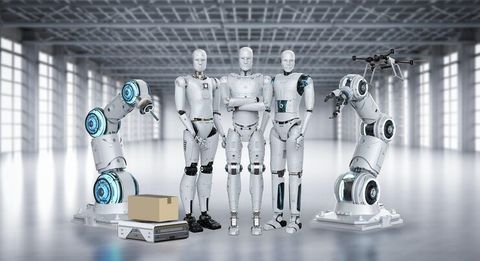
- Robotics systems.
- Sensor networks.
- Data acquisition platforms.
- Remote monitoring tools.
These technologies assist operators in maintaining stable manufacturing conditions.
Process Plant Engineering
Process plant engineering addresses the layout, design, and operation of industrial facilities.
Engineers consider material movement, energy requirements, environmental factors, and equipment integration when planning production plants.
This discipline applies to chemical plants, food facilities, water treatment installations, and energy infrastructure.
Industrial Process Control Systems
Industrial process control systems monitor variables such as temperature, pressure, flow rates, and chemical composition.
Control systems compare actual measurements with target values and adjust equipment accordingly.
These mechanisms help maintain consistent production outcomes.
Data Analysis and Monitoring
Digital platforms increasingly support industrial decision-making.
Real-time information enables operators to identify irregularities and evaluate system performance before significant disruptions occur.
Applications Across Industries
Food Manufacturing
Food processing facilities rely on automation and process controls to manage heating, mixing, packaging, and sanitation procedures.
Consistent monitoring contributes to product quality and regulatory compliance.
Chemical Production
Chemical industries require precise control of reactions, temperatures, and material flows.
Advanced process engineering technologies support safe and stable operations within these environments.
Energy Generation
Power generation facilities use sophisticated control systems to balance fuel inputs, equipment performance, and electricity production.
Process engineering principles guide operational planning and maintenance activities.
Water and Wastewater Treatment
Treatment plants depend on sensors, filtration systems, and automated controls.
Industrial process control systems help maintain water quality standards and environmental protection measures.
Pharmaceutical Manufacturing
Medicine production requires carefully controlled conditions and extensive documentation.
Engineering frameworks support consistency, cleanliness, and traceability throughout manufacturing processes.
Comparison of Major Engineering Functions
| Engineering Area | Primary Focus | Common Applications |
|---|---|---|
| Industrial Automation Engineering | Automated operations | Manufacturing facilities |
| Process Plant Engineering | Facility design | Chemical and energy sectors |
| Industrial Process Control Systems | Monitoring and regulation | Water treatment plants |
| Data Analytics | Performance evaluation | Smart factories |
| Safety Engineering | Risk reduction | Multiple industries |
This variety demonstrates the broad reach of industrial engineering disciplines.
Recent Updates
Expanded Digital Integration
From 2024 to 2026, industrial facilities continued integrating digital monitoring systems into production environments.
Connected devices now generate large volumes of operational information that support decision-making.
Artificial Intelligence Applications
Analytical tools based on artificial intelligence increasingly assist with pattern recognition and predictive maintenance activities.
Human oversight remains an essential component of industrial management.
Growth of Smart Manufacturing
Smart manufacturing approaches combine automation, sensors, and data analysis.
These developments enable faster identification of operational changes and equipment conditions.
Sustainability Initiatives
Many organizations are focusing on energy efficiency and reduced environmental impact.
Advanced process engineering technologies play an important role in these efforts through improved resource management.
Remote Operations
Remote monitoring platforms allow technical teams to observe facility performance from different locations.
Digital communication tools support coordination across large industrial networks.
Laws or Policies
Workplace Safety Regulations
Most countries maintain regulations governing industrial safety practices.
These frameworks address equipment operation, emergency procedures, and employee protection measures.
Environmental Standards
Industrial facilities must comply with environmental requirements related to emissions, water quality, and waste management.
Process engineering supports adherence to these standards through careful system design.
Equipment Certification
Certain industrial components require testing and certification before use.
Regulatory bodies establish technical specifications intended to maintain reliability and safety.
Data Protection Requirements
As industrial automation engineering incorporates connected technologies, data governance has gained importance.
Organizations increasingly implement cybersecurity measures to protect operational systems.
Energy Efficiency Programs
Government initiatives in many regions encourage efficient energy use within manufacturing activities.
Engineering improvements often contribute to meeting these objectives.
Tools and Resources
Process Simulation Software
Simulation platforms help engineers visualize material flows, temperatures, and production scenarios before physical implementation.
These tools support planning activities and technical evaluations.
Supervisory Control Platforms
Digital interfaces allow operators to observe industrial process control systems in real time.
Monitoring dashboards display measurements from various parts of a facility.
Engineering Standards Organizations
International standards bodies publish technical guidance related to industrial equipment and operational procedures.
These documents encourage compatibility and consistent practices.
Training Institutions
Universities and technical institutes provide educational programs covering process engineering principles and automation technologies.
Continuous learning remains important as industrial methods evolve.
Digital Twin Technology
Digital twins create virtual representations of industrial assets.
These models help teams understand system behavior and evaluate potential changes.
FAQs
What is industrial process engineering?
Industrial process engineering involves designing, managing, and improving methods that transform raw materials into finished products across various industries.
How does industrial automation engineering support manufacturing?
Industrial automation engineering uses digital controls, sensors, and programmed systems to maintain consistent operations and reduce manual intervention.
What are industrial process control systems?
Industrial process control systems monitor variables such as pressure, temperature, and flow rates while automatically adjusting equipment to maintain target conditions.
Why is process plant engineering important?
Process plant engineering focuses on facility design, equipment integration, safety considerations, and efficient movement of materials throughout production environments.
What role do advanced process engineering technologies play today?
Advanced process engineering technologies support digital monitoring, data analysis, automation, and sustainability initiatives within modern industrial operations.
Conclusion
Industrial process engineering connects scientific principles with practical manufacturing activities. Industrial automation engineering and industrial process control systems continue shaping modern production environments across numerous sectors. Digital tools, analytical platforms, and advanced process engineering technologies are expanding the capabilities of industrial facilities. Understanding these systems provides insight into how essential goods are produced safely and efficiently around the world.