A Comprehensive Guide To Lifting Equipment And Its Key Features
Lifting equipment refers to machines, tools, and attachments used to move, raise, lower, or transport heavy materials safely. These systems are commonly used in construction sites, warehouses, shipping ports, factories, mining operations, and logistics centers. The main purpose of lifting equipment is to reduce manual labor and improve operational safety when handling heavy loads.
Modern industries rely heavily on industrial lifting systems because many materials are too heavy or dangerous to move manually. Equipment such as cranes, hoists, forklifts, winches, lifting chains, slings, and hydraulic lifting platforms are designed to manage different lifting requirements.
The development of lifting technology has evolved alongside industrial growth. In earlier decades, lifting tasks depended mostly on mechanical pulleys and manual labor. Today, advanced automation, hydraulic engineering, and smart monitoring systems have transformed material handling equipment into safer and more efficient tools.
Common Types of Lifting Equipment
| Equipment Type | Main Use | Common Industry |
|---|---|---|
| Overhead Cranes | Moving heavy loads across large spaces | Manufacturing |
| Forklifts | Transporting palletized goods | Warehousing |
| Chain Hoists | Vertical lifting tasks | Construction |
| Hydraulic Jacks | Raising vehicles or machinery | Automotive |
| Scissor Lifts | Elevated worker access | Maintenance |
| Winches | Pulling and lifting operations | Marine and Mining |
Key Features of Modern Lifting Equipment
Modern lifting equipment includes several important features designed for performance and safety:
- Load capacity indicators
- Emergency stop systems
- Anti-sway technology
- Hydraulic stabilization
- Smart sensor monitoring
- Remote control operation
- Automatic braking systems
- Overload protection mechanisms
These features help reduce accidents while improving precision during lifting operations.
Why Lifting Equipment Matters Today
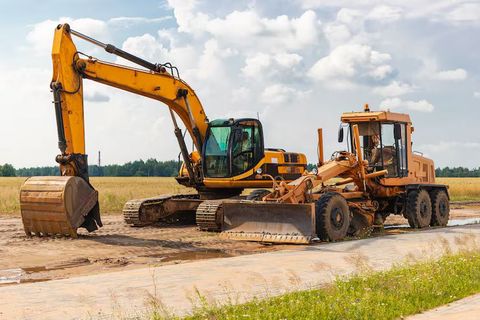
Lifting equipment plays an essential role in modern infrastructure and industrial development. Large-scale construction projects, logistics operations, and manufacturing facilities depend on heavy lifting solutions to maintain productivity and workplace safety.
Without efficient lifting systems, industries would face slower operations, higher labor risks, and increased chances of workplace injuries. Material handling equipment helps businesses move products efficiently while supporting compliance with workplace safety standards.
Industries Most Affected
Several sectors depend heavily on lifting equipment:
| Industry | Importance of Lifting Equipment |
|---|---|
| Construction | Handling steel, concrete, and heavy machinery |
| Logistics | Fast warehouse operations and cargo movement |
| Manufacturing | Assembly line support and machinery installation |
| Mining | Transporting extracted materials |
| Energy Sector | Maintenance of turbines and heavy components |
Problems Solved by Lifting Equipment
Lifting equipment addresses several operational challenges:
- Reduces physical strain on workers
- Improves workplace safety
- Supports faster material movement
- Minimizes downtime during heavy transport
- Enhances efficiency in warehouse management
- Helps manage oversized industrial components
For example, crane safety systems now help operators monitor weight distribution and prevent overload situations before accidents occur.
Importance of Workplace Safety
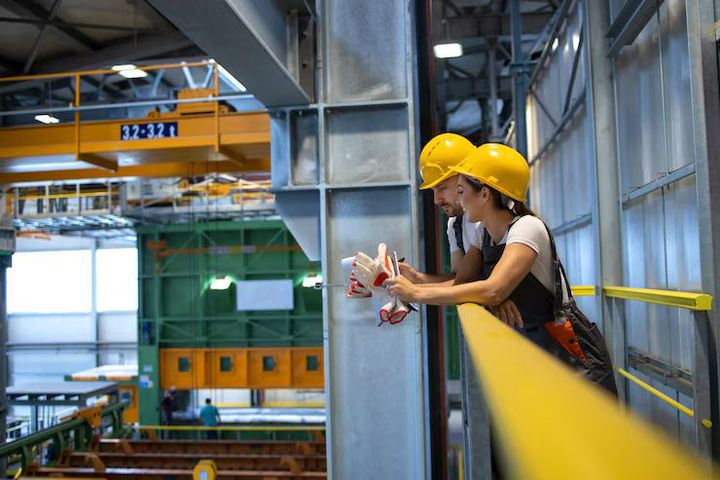
Industrial safety has become a major concern globally. Workplace injury reports from construction and warehouse environments often involve improper lifting practices. Because of this, businesses increasingly invest in advanced lifting accessories and automated safety technologies.
The use of smart lifting devices also supports predictive maintenance. Sensors can detect wear, imbalance, or pressure abnormalities before equipment failure occurs.
Recent Updates and Industry Trends
The lifting equipment industry has experienced significant technological improvements during the past year. Automation, sustainability, and digital monitoring remain major trends across industrial operations.
Smart Monitoring Systems in 2025
In early 2025, several industrial equipment manufacturers introduced AI-assisted load monitoring systems. These systems use real-time sensors to track:
- Weight distribution
- Operator movement
- Equipment stress levels
- Environmental conditions
Smart monitoring improves operational accuracy and reduces accident risks.
Increased Focus on Electric Equipment
During 2024 and 2025, many industries shifted toward electric-powered lifting systems instead of fuel-based machinery. Electric forklifts and battery-powered lifting platforms are becoming more common because they produce lower emissions and operate more quietly.
This trend is especially noticeable in indoor warehouses and logistics facilities where air quality standards are important.
Growth of Automation in Warehousing
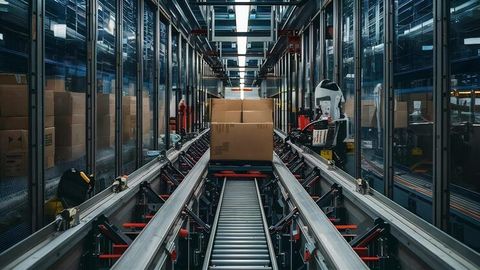
Automated guided vehicles and robotic lifting systems are increasingly used in large distribution centers. These systems reduce manual handling and improve order processing efficiency.
Digital Inspection and Maintenance Records
Many companies now use digital inspection platforms to track maintenance schedules and safety certifications. This change helps organizations maintain compliance records more efficiently.
Safety Training Improvements
Recent industrial safety programs emphasize operator certification and digital simulation training. Virtual reality training systems are also becoming more common in heavy equipment education.
Laws, Regulations, and Safety Policies
Lifting equipment operations are regulated in many countries to reduce workplace accidents and improve industrial safety. Regulations usually focus on inspection requirements, operator training, load capacity limits, and equipment maintenance.
Occupational Safety Standards
In many regions, workplace safety authorities require regular inspection of lifting systems. Equipment operators must also receive training before handling cranes, forklifts, or heavy lifting accessories.
Common safety requirements include:
- Routine equipment inspection
- Proper labeling of load limits
- Certified lifting accessories
- Emergency shutdown systems
- Safety documentation maintenance
Construction Safety Regulations
Construction industries often follow strict crane safety rules because lifting accidents can result in severe injuries. Regulations may require:
| Safety Requirement | Purpose |
|---|---|
| Load Testing | Confirms lifting capacity |
| Operator Certification | Ensures trained handling |
| Equipment Inspection | Detects mechanical issues |
| Site Risk Assessment | Identifies workplace hazards |
Environmental Regulations
Environmental policies also affect industrial lifting systems. Electric-powered equipment is increasingly encouraged in urban areas to reduce emissions and noise pollution.
International Standards
Several global standards influence lifting equipment manufacturing and operation, including:
- ISO safety standards
- OSHA workplace safety practices
- CE certification guidelines
- Industrial machinery compliance protocols
These standards help improve consistency and operational safety across industries.
Helpful Tools and Resources
Various digital tools and industrial resources help organizations manage lifting operations more effectively.
Load Capacity Calculators
Load calculators help operators determine safe lifting limits based on:
- Weight
- Angle
- Sling type
- Equipment capacity
These calculators reduce the risk of overload accidents.
Inspection Management Software
Digital maintenance systems track:
- Inspection schedules
- Equipment condition
- Repair history
- Compliance records
This improves maintenance planning and safety reporting.
Safety Training Platforms
Many organizations use online industrial safety training platforms to educate workers about:
- Crane operation
- Forklift safety
- Rigging techniques
- Hazard identification
Equipment Monitoring Systems
Modern industrial lifting systems often include cloud-connected monitoring software that provides:
- Real-time diagnostics
- Predictive maintenance alerts
- Usage tracking
- Performance reports
Common Lifting Accessories
| Accessory | Purpose |
|---|---|
| Slings | Supporting heavy loads |
| Shackles | Connecting lifting components |
| Hooks | Securing materials |
| Spreaders | Stabilizing wide loads |
| Chains | Heavy-duty lifting support |
Proper use of lifting accessories is important for maintaining safe operations.
Frequently Asked Questions
What is lifting equipment used for?
Lifting equipment is used to raise, lower, move, or transport heavy materials safely. It is commonly used in construction, logistics, warehousing, manufacturing, and mining industries.
What are the main types of lifting equipment?
Common types include cranes, forklifts, hoists, hydraulic jacks, winches, scissor lifts, and lifting platforms. Each type is designed for specific industrial tasks.
Why is lifting equipment safety important?
Improper lifting practices can lead to workplace injuries, equipment damage, and operational delays. Safety systems help reduce risks and improve efficiency.
How often should lifting equipment be inspected?
Inspection schedules vary depending on regulations and equipment type. Many industrial systems require daily visual checks and periodic professional inspections.
What is overload protection in lifting systems?
Overload protection prevents equipment from lifting weight beyond its safe operating limit. This feature helps avoid mechanical failure and accidents.
Conclusion
Lifting equipment remains a critical part of modern industrial operations. From construction projects to warehouse logistics, these systems support safer and more efficient material handling. Advances in automation, smart monitoring, and electric-powered machinery continue to improve operational performance across industries.
At the same time, workplace safety regulations and inspection requirements are becoming increasingly important. Organizations that follow proper maintenance procedures and operator training standards are better positioned to reduce risks and improve productivity.