Explore the Future of Metal Fabrication Technology
Metal fabrication technology continues to transform modern industries through automation, precision engineering, and intelligent production systems. From automotive manufacturing to aerospace components, industrial metal fabrication supports the creation of durable and complex structures that shape the global economy.
As industries move toward digital transformation, fabrication process technology is becoming more advanced, connected, and efficient. Smart machines, robotics, and data-driven systems are changing how manufacturers design, cut, weld, and assemble metal products. These developments are helping organizations improve consistency, reduce material waste, and increase production flexibility.
Understanding Modern Metal Fabrication Technology
Metal fabrication technology refers to the processes and systems used to shape raw metal materials into finished products or components. Traditional fabrication methods focused mainly on manual operations, but modern facilities now integrate software, automation, and intelligent monitoring systems.
Industrial metal fabrication includes several key processes such as:
- Cutting
- Welding
- Bending
- Stamping
- Machining
- Assembly
These methods are now supported by advanced fabrication technology that allows greater precision and repeatability. Computer-controlled systems can produce detailed parts with minimal variation, making fabrication more reliable across different industries.
The future of custom metal fabrication also depends heavily on digital design tools. Computer-aided design software helps engineers create accurate models before production begins. This improves planning and reduces production errors during fabrication.
The Rise of Smart Factory Metal Fabrication
Smart factory metal fabrication combines automation, artificial intelligence, and connected devices within manufacturing environments. These factories use sensors and software systems to monitor equipment performance, material flow, and production quality in real time.
In many modern facilities, machines communicate with each other to improve operational efficiency. This connected environment helps reduce downtime and supports predictive maintenance strategies.
Key Features of Smart Fabrication Systems
| Technology | Function in Fabrication |
|---|---|
| Robotics | Automates repetitive fabrication tasks |
| AI Monitoring | Detects production issues quickly |
| IoT Sensors | Tracks machine performance |
| CNC Machines | Provides accurate automated cutting |
| Cloud Systems | Stores and analyzes production data |
| Laser Technology | Enhances cutting precision |
Advanced fabrication technology allows manufacturers to adapt quickly to changing production requirements. Flexible systems can handle both small custom projects and large-scale industrial operations without major process interruptions.
Smart factories also improve workplace safety. Automated handling systems reduce direct human exposure to high-temperature or hazardous fabrication environments.
Automation and Robotics in Industrial Metal Fabrication
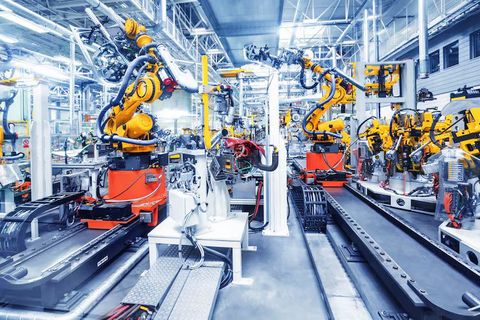
Automation has become one of the most important developments in fabrication process technology. Robotic systems now perform tasks that once required extensive manual labor, improving both speed and consistency.
Robotic welding systems, for example, can maintain precise weld quality across thousands of production cycles. This consistency is especially important in industries where structural accuracy is critical.
Automated metal fabrication systems also help manufacturers address growing demands for efficiency. Machines can operate continuously with minimal interruptions, supporting higher productivity levels.
Some benefits of automation in industrial metal fabrication include:
- Improved production accuracy
- Faster manufacturing cycles
- Reduced material waste
- Better operational safety
- Consistent product quality
Custom metal fabrication facilities are also adopting collaborative robots known as cobots. These systems work alongside human operators and assist with lifting, positioning, and repetitive assembly tasks.
As robotic technology improves, fabrication facilities are expected to become even more autonomous and data-driven.
Advanced Cutting and Welding Technologies
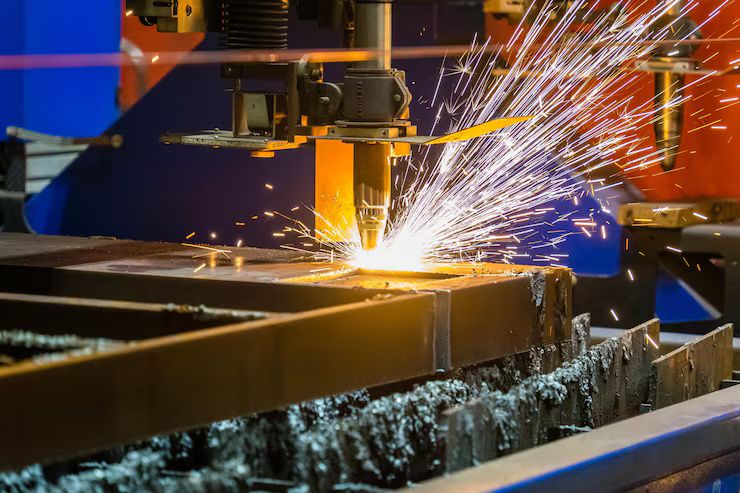
Modern metal fabrication technology relies heavily on advanced cutting and welding methods. Laser cutting, plasma cutting, and waterjet cutting are replacing many traditional cutting systems because they offer higher precision and cleaner finishes.
Laser cutting technology is especially valuable for producing intricate metal designs with minimal material distortion. This process supports industries that require highly detailed components, including electronics and aerospace manufacturing.
Welding technology has also evolved significantly. Automated welding systems now use real-time monitoring to maintain consistent weld quality throughout the fabrication process.
Emerging Welding Innovations
Several new welding technologies are shaping the future of fabrication process technology:
- Hybrid laser welding
- Friction stir welding
- Ultrasonic welding
- Automated arc welding
- AI-assisted welding inspection
These methods improve structural integrity while reducing defects during production. In addition, digital inspection tools can identify weak welds before products move to final assembly stages.
Advanced fabrication technology continues to improve material compatibility as well. Modern systems can process aluminum, titanium, stainless steel, and specialized alloys more efficiently than older equipment.
The Role of Artificial Intelligence in Fabrication
Artificial intelligence is becoming a major force in smart factory metal fabrication. AI systems analyze large amounts of production data to improve machine performance and optimize workflows.
Machine learning algorithms can detect patterns that human operators may overlook. For example, AI software can identify early signs of tool wear and recommend maintenance before equipment failures occur.
In custom metal fabrication environments, AI also supports production scheduling. Intelligent systems help allocate resources, manage inventory, and reduce delays across fabrication operations.
Another important application of AI involves quality control. Computer vision systems inspect fabricated parts for defects, dimensional errors, and surface inconsistencies with remarkable speed and accuracy.
As AI adoption increases, fabrication facilities may experience:
- Faster production planning
- Lower operational downtime
- Improved product consistency
- Enhanced predictive maintenance
- Better resource utilization
Artificial intelligence is expected to play an even larger role in future fabrication process technology as systems become more adaptive and autonomous.
Sustainable Developments in Metal Fabrication Technology
Sustainability is becoming increasingly important in industrial metal fabrication. Manufacturers are looking for ways to reduce energy consumption, minimize waste, and improve environmental efficiency.
Modern fabrication facilities now use energy-efficient machinery and optimized production systems to reduce resource usage. Recycling programs also help recover valuable metal materials from fabrication scraps.
Several sustainability trends are influencing advanced fabrication technology:
- Energy-efficient laser systems
- Reduced-emission welding equipment
- Smart energy monitoring
- Recyclable metal usage
- Waste reduction software
Digital simulation tools also support sustainable fabrication practices. Engineers can test designs virtually before production begins, reducing unnecessary material consumption.
Smart factory metal fabrication further supports sustainability by improving production accuracy. More precise manufacturing reduces defects and limits wasted materials during fabrication processes.
Environmental regulations may continue to encourage cleaner and more efficient fabrication systems across global industries.
Custom Metal Fabrication and Industry Flexibility
Custom metal fabrication is growing rapidly as industries require more specialized components and adaptable production methods. Unlike traditional mass manufacturing, custom fabrication focuses on precision-built parts tailored to specific applications.
Advanced fabrication technology allows manufacturers to produce customized products without sacrificing efficiency. Flexible CNC systems and programmable robotic equipment can quickly switch between production designs.
Industries benefiting from custom fabrication include:
- Construction
- Aerospace
- Medical equipment
- Renewable energy
- Transportation
- Electronics
Digital fabrication tools also support rapid prototyping. Engineers can develop and test metal components faster, improving product development cycles.
This flexibility helps businesses respond to changing market demands and evolving engineering requirements more effectively.
The Future of Fabrication Process Technology
The future of fabrication process technology will likely involve deeper integration between digital systems and manufacturing equipment. Smart production environments are expected to become more connected, autonomous, and efficient.
Several technologies are expected to shape future fabrication systems:
| Future Technology | Expected Impact |
|---|---|
| Digital Twins | Simulates production systems virtually |
| 5G Connectivity | Enables faster machine communication |
| Autonomous Robotics | Supports self-operating production lines |
| Additive Manufacturing | Expands hybrid metal production |
| Predictive Analytics | Improves operational decision-making |
Digital twin technology is especially important for future smart factory metal fabrication. These virtual models allow manufacturers to simulate fabrication processes and identify performance improvements before physical production begins.
Additive manufacturing may also work alongside traditional fabrication methods. Hybrid systems combining metal printing and machining could expand production possibilities for complex components.
The future of industrial metal fabrication will likely focus on greater efficiency, smarter automation, and sustainable manufacturing strategies.
Challenges Facing Advanced Fabrication Technology
Despite major advancements, metal fabrication technology still faces several challenges. High equipment investment, cybersecurity concerns, and workforce adaptation remain important issues for manufacturers.
Smart factory systems depend heavily on digital infrastructure, making cybersecurity increasingly important. Protecting production data and connected machinery is becoming a key priority in modern fabrication environments.
Workforce training is another significant challenge. Employees must learn how to operate advanced machines, analyze production data, and manage automated systems effectively.
Other common challenges include:
- Integration of older machinery
- Rising material complexity
- Software compatibility issues
- Energy management requirements
- Rapid technology changes
However, continued innovation in fabrication process technology is helping industries address many of these obstacles over time.
Conclusion
Metal fabrication technology is entering a new era driven by automation, artificial intelligence, and intelligent manufacturing systems. Advanced fabrication technology is improving precision, efficiency, and flexibility across industrial production environments.
Smart factory metal fabrication continues to reshape how manufacturers design and produce metal components. With the integration of robotics, AI, digital monitoring, and sustainable practices, the industry is becoming more adaptable and future-ready.
As fabrication process technology evolves, industrial metal fabrication will likely become increasingly connected, data-driven, and environmentally efficient. These developments are expected to support innovation across construction, aerospace, transportation, renewable energy, and many other industries.
Custom metal fabrication will also continue to expand as organizations seek specialized solutions that combine performance, durability, and production flexibility. The future of metal fabrication technology promises smarter operations, improved quality, and more advanced manufacturing capabilities worldwide.