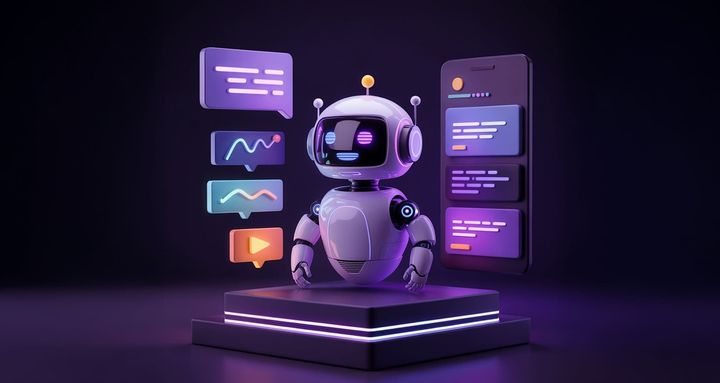
AI Chatbot Technology: Complete Guide to Features, Applications, and Benefits
AI chatbot technology has become an important part of modern digital communication.
Businesses, educational institutions, healthcare organizations, and many other industries use AI-powered chat systems to interact with users quickly and efficiently.
An AI chatbot is a computer-based conversation tool that can understand questions and provide responses in a natural way. Unlike traditional chat systems that follow fixed rules, modern AI chatbots can analyze language, understand context, and generate relevant answers.
As artificial intelligence continues to advance, chatbot technology is becoming more capable and widely used. Understanding how AI chatbots work can help individuals and organizations make better use of this growing technology.
Understanding the Concept
AI chatbot technology combines artificial intelligence, machine learning, natural language processing, and conversational AI to simulate human-like conversations.
Natural Language Processing (NLP) is the technology that helps computers understand human language. Machine learning allows chatbots to improve their responses by analyzing patterns and interactions over time.
When a user asks a question, the chatbot processes the message, identifies the intent, analyzes available information, and generates a suitable response.
For example, if a customer asks, "What are the delivery options?" the chatbot recognizes the topic and provides relevant information based on available data.
Modern AI chatbot platforms can communicate through:
- Websites
- Mobile applications
- Messaging platforms
- Customer support portals
- Virtual assistants
These capabilities make AI chatbot technology a valuable component of digital transformation strategies.
Key Types or Categories
AI chatbot technology includes several major categories based on functionality and intelligence levels.
Rule-Based Chatbots
Rule-based chatbots operate using predefined responses and decision trees.
Characteristics include:
- Fixed conversation paths
- Limited flexibility
- Predictable responses
- Structured interactions
These chatbots work well for simple and repetitive questions.
AI-Powered Chatbots
AI-powered chatbots use machine learning and natural language processing to understand conversations more effectively.
Features include:
- Context awareness
- Flexible responses
- Language understanding
- Continuous improvement
These chatbots can manage more complex conversations compared to rule-based systems.
Voice-Enabled Chatbots
Voice-enabled chatbots allow users to communicate through spoken language instead of text.
Common examples include:
- Smart home assistants
- Voice banking platforms
- Automated customer support systems
Voice interaction creates a more natural communication experience.
Hybrid Chatbots
Hybrid chatbots combine rule-based logic with artificial intelligence.
Benefits include:
- Better accuracy
- Enhanced flexibility
- Improved user experience
- Efficient handling of common inquiries
Many organizations prefer hybrid models because they balance reliability and adaptability.
Important Subsections
Natural Language Processing
Natural Language Processing helps chatbots understand words, phrases, and sentence structures.
For example, the following questions have similar meanings:
- Where is my order?
- Can you track my order?
- Has my package shipped?
NLP enables the chatbot to recognize that all three questions relate to order tracking.
Machine Learning
Machine learning allows chatbot systems to learn from previous interactions.
Over time, the chatbot becomes better at:
- Understanding user intent
- Identifying patterns
- Improving response quality
- Reducing misunderstandings
Conversational AI
Conversational AI refers to technologies that enable realistic and engaging conversations.
It combines:
- Language understanding
- Response generation
- Context analysis
- User interaction management
This technology helps create conversations that feel more natural and useful.
Chatbot Analytics
Analytics tools track chatbot performance and user engagement.
Important metrics include:
- User interactions
- Response accuracy
- Conversation completion rates
- User satisfaction trends
These insights help organizations improve chatbot effectiveness.
How It Works
AI chatbot technology follows a structured process to understand and respond to user requests.
Step 1: User Input
The process begins when a user enters a message or asks a question.
Examples include:
- How can I reset my password?
- What are your business hours?
- Can you explain this product?
Step 2: Language Processing
The chatbot analyzes the text using natural language processing.
This stage identifies:
- Keywords
- Intent
- Context
- User objectives
Step 3: Intent Recognition
The system determines what the user wants to accomplish.
For example:
| User Message | Recognized Intent |
|---|---|
| Track my order | Order tracking |
| Change password | Account management |
| Product information | Information request |
Step 4: Response Generation
The chatbot generates an appropriate response based on available information and conversation context.
Advanced AI chatbot systems can generate unique responses instead of relying solely on predefined answers.
Step 5: Continuous Learning
Machine learning models analyze interactions and improve future performance.
This ongoing improvement helps create more accurate and effective conversations over time.
Benefits and Advantages
AI chatbot technology provides several advantages across different industries.
Improved Customer Support
Chatbots can answer common questions quickly and consistently.
This helps users receive information without long waiting periods.
Enhanced User Experience
Fast responses improve user satisfaction and engagement.
Users can access information whenever they need assistance.
Scalability
AI chatbots can handle multiple conversations simultaneously.
This capability is valuable during periods of increased activity.
Better Data Collection
Chatbot interactions generate useful insights about user preferences and behavior.
Organizations can use this information to improve communication strategies.
Increased Operational Efficiency
Automation helps reduce repetitive tasks and allows human teams to focus on more complex responsibilities.
This improves overall productivity.
Consistent Communication
Chatbots provide standardized responses, ensuring users receive accurate and consistent information.
This consistency helps build trust and reliability.
Real-World Examples or Applications
AI chatbot technology is used across numerous industries and practical scenarios.
E-Commerce
Online stores use AI chatbots to assist customers with:
- Product information
- Order tracking
- Return policies
- Frequently asked questions
These interactions improve the shopping experience.
Healthcare
Healthcare organizations use chatbots to provide:
- Appointment scheduling
- Health information
- Patient guidance
- Follow-up communication
Chatbots help streamline communication between patients and healthcare providers.
Banking and Financial Technology
Financial institutions use conversational AI for:
- Account inquiries
- Transaction updates
- Security verification
- Financial education
These applications improve accessibility and customer engagement.
Education
Educational platforms use AI chatbots to assist students with:
- Course information
- Learning resources
- Registration guidance
- Academic support
Chatbots can provide quick answers that enhance the learning experience.
Human Resources
Organizations use chatbots for internal communication and employee assistance.
Examples include:
- Policy information
- Training guidance
- Benefits explanations
- Workplace support
These applications simplify information access.
Important Factors to Understand
Several important considerations influence chatbot effectiveness.
Data Quality
A chatbot performs better when trained using accurate and relevant information.
Poor-quality data can reduce response accuracy.
User Experience Design
Conversations should be simple, clear, and easy to follow.
Complicated interaction flows may frustrate users.
Privacy and Security
Organizations should protect user information and follow applicable privacy regulations.
Secure data handling helps maintain trust.
Accuracy
Chatbots should provide reliable responses and avoid generating misleading information.
Regular monitoring helps maintain performance quality.
Human Escalation
Some situations require human assistance.
Effective chatbot systems provide pathways for users to reach human representatives when necessary.
Future Trends and Industry Insights
AI chatbot technology continues to evolve rapidly.
Generative AI Integration
Generative AI enables chatbots to create more dynamic and context-aware responses.
This technology improves conversation quality and flexibility.
Multilingual Communication
Future chatbots will support more languages with greater accuracy.
This capability will help organizations communicate with global audiences.
Emotional Intelligence Features
Researchers are developing systems that can better recognize emotional cues in conversations.
This may improve user engagement and communication effectiveness.
Industry-Specific AI Chatbots
Specialized chatbots are becoming more common in industries such as:
- Healthcare
- Finance
- Education
- Manufacturing
- Retail
These solutions can address unique industry requirements more effectively.
Advanced Personalization
Future chatbot systems may provide increasingly personalized interactions based on user preferences, behavior patterns, and previous conversations.
This could create more relevant and meaningful experiences.
Conclusion
AI chatbot technology has transformed the way organizations communicate with users. By combining artificial intelligence, machine learning, natural language processing, and conversational AI, modern chatbots can provide efficient, accurate, and engaging interactions.
From customer support and education to healthcare and financial technology, chatbot applications continue to expand across industries. Features such as automation, language understanding, analytics, and personalization make AI chatbots valuable tools for modern digital communication.
As artificial intelligence continues to advance, chatbot technology will become even more intelligent, adaptive, and capable. Understanding its features, applications, and benefits can help individuals and organizations make informed decisions about adopting and utilizing this innovative technology.