Air Handling Units Guide: HVAC Systems, Energy Efficiency, Indoor Air Quality
Air Handling Units (AHUs) are a core component of modern HVAC systems designed to regulate and circulate air within buildings. These systems manage temperature, humidity, filtration, and airflow to maintain a controlled indoor environment. Found in commercial buildings, hospitals, industrial facilities, and increasingly in residential complexes, AHUs ensure that indoor air conditions remain stable and comfortable.
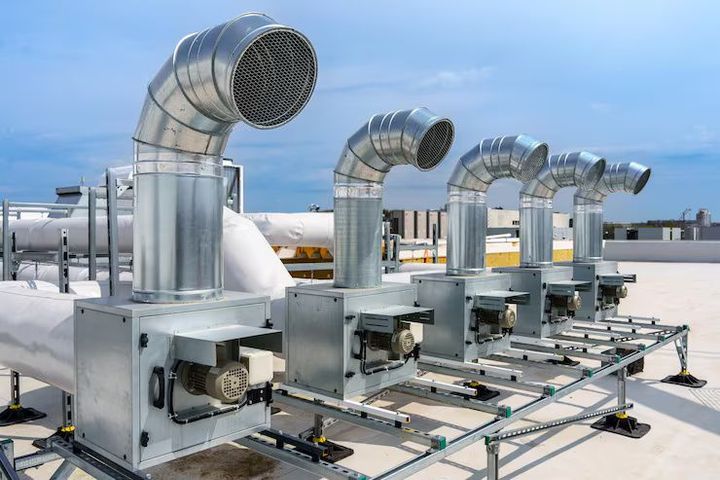
At a basic level, an Air Handling Unit (AHU) consists of components such as fans, heating and cooling coils, filters, dampers, and control systems. These parts work together to draw in outside air, condition it, and distribute it throughout a building via ductwork.
Many AHUs also recirculate indoor air to improve energy efficiency. They exist because indoor environments require precise air control for health, productivity, and equipment performance. Without proper air handling, problems like poor air quality, temperature fluctuations, and excessive humidity can affect both people and infrastructure.
Importance of Air Handling Units
Air Handling Units play a critical role in maintaining indoor air quality (IAQ) and energy efficiency. Modern infrastructure increasingly relies on AHUs not just as mechanical systems, but as part of broader building performance strategies.
Key Benefits of AHUs Today
- Indoor Air Quality (IAQ): Filter pollutants, dust, and allergens to improve air quality.
- Energy Efficiency: Reduce energy consumption with optimized airflow and heat recovery.
- Health and Safety: Minimize airborne contaminants, essential in healthcare and public buildings.
- Industrial Applications: Maintain controlled environments for precision manufacturing processes.
- Comfort and Productivity: Stabilize temperature and humidity for occupant comfort and workplace efficiency.
Industries like healthcare, pharmaceuticals, data centers, and commercial real estate heavily rely on AHUs. Minor variations in air conditions in these sectors can cause equipment failure or compromise safety.
Recent Updates in AHU Technology
Several recent developments have influenced AHU design and usage:
- 2025 Energy Efficiency Standards: Stricter regulations encourage high-efficiency AHUs with variable speed drives.
- Smart HVAC Integration: IoT-enabled AHUs allow real-time monitoring and predictive maintenance.
- Focus on Indoor Air Quality: Post-pandemic demand for HEPA filters and UV-C air purification has increased.
- Sustainable Building Trends: Green certifications emphasize energy recovery ventilators (ERVs) and low-emission designs.
- Digital Twin Technology: Simulations optimize AHU performance in real-time operational planning.
These updates highlight the trend toward smarter, energy-efficient, and environmentally responsible air handling systems.
Laws and Policies Governing AHUs
Air Handling Units must comply with regulations focusing on energy conservation and public health.
Key Frameworks in India
- Energy Conservation Building Code (ECBC): Guidelines for energy-efficient building design.
- Bureau of Energy Efficiency (BEE): Standards for energy-saving HVAC practices.
- National Building Code (NBC): Recommendations for ventilation, air quality, and safety.
- Indoor Air Quality Guidelines: Health authority standards for pollutants and ventilation.
Globally, standards like ASHRAE define ventilation rates, filtration, and thermal comfort parameters. Compliance ensures energy efficiency, safety, and regulatory adherence, while non-compliance can increase costs and health risks.
Tools and Resources for Optimizing AHUs
Professionals can use several tools to monitor, control, and optimize AHU performance:
- HVAC Load Calculators: Estimate heating and cooling requirements.
- Energy Modeling Software: Simulate system efficiency and energy consumption.
- Building Management Systems (BMS): Centralized monitoring and control.
- Air Quality Monitoring Apps: Track pollutants, humidity, and temperature in real-time.
- Maintenance Checklists: Ensure regular inspection and servicing.
Comparison of AHU Tools
| Tool Type | Purpose | Key Benefit |
|---|---|---|
| Load Calculator | System sizing | Accurate capacity planning |
| Energy Modeling Software | Performance simulation | Improved efficiency design |
| BMS Dashboard | System monitoring | Real-time control |
| IAQ Monitoring Tools | Air quality tracking | Health and safety insights |
| Maintenance Templates | Routine checks | Reduced downtime |
These resources help optimize AHU performance and ensure long-term reliability.
Key Components of an Air Handling Unit
Understanding the main AHU components clarifies system functionality:
| Component | Function |
|---|---|
| Fan | Circulates air through the system |
| Filters | Remove dust, particles, and contaminants |
| Coils | Heat or cool the air |
| Dampers | Control airflow and ventilation rates |
| Humidifiers | Adjust moisture levels |
| Control System | Automates and regulates operations |
Each part works together to maintain consistent indoor conditions.
FAQs
What is the main function of an Air Handling Unit?
An AHU regulates and circulates air within a building, controlling temperature, humidity, and air quality through filtration and ventilation.
How is an AHU different from an HVAC system?
An HVAC system includes heating, ventilation, and air conditioning. An AHU is a key component that handles air movement and conditioning specifically.
How often should AHUs be maintained?
Maintenance is generally recommended every 3 to 6 months, depending on usage and environmental conditions.
What factors affect AHU efficiency?
Efficiency depends on filter condition, airflow design, insulation, control systems, and energy recovery features.
Can AHUs improve indoor air quality significantly?
Yes, advanced filtration and ventilation systems in AHUs can substantially reduce airborne pollutants and improve overall air quality.
Trends in Energy Efficiency and Smart Control
Modern AHUs incorporate energy-saving features and intelligent control systems:
- Variable Air Volume (VAV) Systems: Adjust airflow to reduce energy use.
- Heat Recovery Systems: Capture and reuse exhaust air energy.
- Smart Sensors: Monitor temperature, humidity, and air quality in real time.
- Automation and AI: Use predictive algorithms to optimize performance.
These features lower operational costs and enhance environmental sustainability.
Challenges and Considerations
While AHUs provide benefits, challenges exist:
- Design Complexity: Proper sizing and configuration require careful planning.
- Maintenance Needs: Regular upkeep is essential to maintain efficiency.
- Energy Consumption: Poorly designed systems can be costly.
- Space Requirements: Large AHUs require sufficient installation space.
Addressing these challenges involves strategic design, monitoring, and adherence to best practices.
Conclusion
Air Handling Units are essential for controlled indoor environments across sectors. They support air quality, energy efficiency, and operational reliability, making them a cornerstone of modern infrastructure.
As technology advances, AHUs are becoming smarter, integrating digital systems and sustainability goals. Understanding their components, benefits, and optimization tools enables better decisions in commercial, industrial, and residential settings. Effective air handling ensures comfort, health, and efficiency.