Barcode Systems: A Complete Guide to How Barcode Technology Works
Barcode systems have transformed the way products, assets, and information are identified and tracked.
From supermarkets and warehouses to hospitals and libraries, these systems make everyday operations faster, more accurate, and easier to manage.
Instead of entering information manually, a barcode system allows users to scan a printed code and instantly retrieve stored data. This simple process reduces human error, improves efficiency, and supports better inventory management across many industries. Whether you are new to barcode technology or want to understand how it works, this guide explains everything in a clear and beginner-friendly way.
Quick Overview Table
| Topic | Purpose | Key Features / Components | Main Benefits | Common Applications |
|---|---|---|---|---|
| Barcode Systems | Identify and track products or assets using machine-readable codes | Barcode labels, scanner, printer, database, decoder, inventory platforms | Faster identification, improved accuracy, efficient tracking, reduced manual work | Retail, warehouses, healthcare, logistics, manufacturing, libraries, education |
Understanding Barcode Systems
A barcode system is a method of representing information using a series of lines, spaces, or geometric patterns that can be read by a barcode scanner. Every barcode contains unique information linked to a product, document, package, or asset.
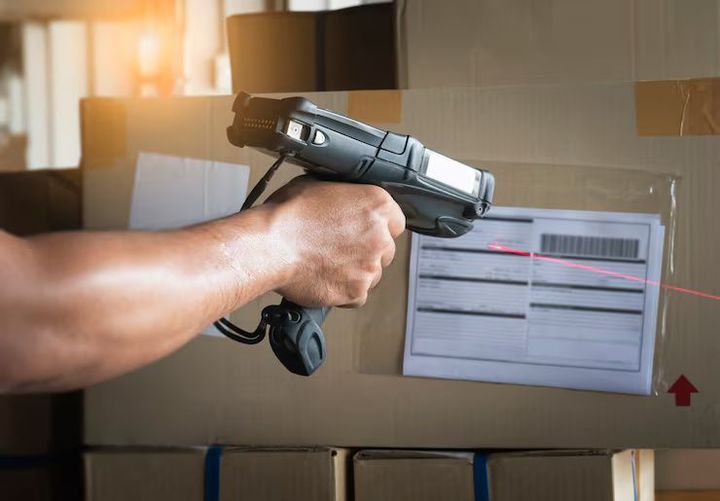
When a barcode is scanned, the scanner converts the printed pattern into digital information. The connected platform then retrieves the corresponding record almost instantly. This process eliminates the need for manual data entry and helps maintain accurate records.
Today, barcode systems are used in nearly every industry because they improve operational efficiency, simplify inventory tracking, and support better decision-making through accurate data collection.
Key Features and Core Components
A barcode system consists of several components that work together.
- Barcode labels
- Barcode printer
- Barcode scanner
- Barcode decoder
- Database
- Inventory management platforms
- Asset tracking tools
- Product identification system
- Network connectivity
- Reporting and monitoring functions
Each component plays an important role in capturing, storing, and retrieving information efficiently.
Main Types of Barcode Systems
One-Dimensional (1D) Barcode Systems
One-dimensional barcodes use vertical lines and spaces to represent numbers and characters. They are widely used for retail products and inventory identification because they are simple and easy to scan.
Common examples include UPC, EAN, and Code 128 barcodes.
Two-Dimensional (2D) Barcode Systems
Two-dimensional barcodes store information both horizontally and vertically, allowing them to hold much more data than traditional barcodes.
QR Codes, Data Matrix, and PDF417 are popular examples. These barcodes are commonly used in healthcare, manufacturing, transportation, and product traceability.
Industrial Barcode Systems
Industrial barcode systems are designed for demanding environments such as factories, warehouses, and logistics centers. They use durable labels and high-performance scanners capable of reading damaged or low-contrast barcodes.
How Barcode Systems Work (Step-by-Step)
- Information is assigned to a product, asset, or document.
- A barcode is generated using barcode creation tools.
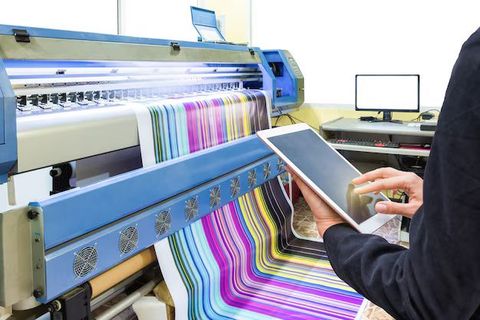
- The barcode is printed onto a label or directly onto the product.
- A barcode scanner reads the printed barcode.
- The scanner converts the barcode into digital information.
- The connected platform searches the database for the matching record.
- The requested information appears instantly for the user.
Benefits and Advantages
Barcode systems provide many practical advantages across different industries.
- Faster product identification
- Improved inventory accuracy
- Reduced manual data entry
- Lower risk of human error
- Better asset tracking
- Improved warehouse efficiency
- Faster checkout processes
- Enhanced supply chain visibility
- Easier record management
- Increased productivity
Practical Usage Guide and Best Practices
Following these practices helps barcode systems perform reliably.
- Select barcode formats appropriate for the intended application.
- Print labels using high-quality materials.
- Position barcodes where scanners can easily read them.
- Keep barcode labels clean and undamaged.
- Test barcode readability before large-scale deployment.
- Maintain scanners according to manufacturer recommendations.
- Regularly verify database accuracy.
- Train users on proper scanning techniques.
Real-World Examples and Applications
Retail Stores
Retail businesses scan product barcodes during checkout to quickly identify items, update inventory records, and maintain accurate stock levels.
Warehouses
Warehouse workers scan packages throughout storage and shipping processes, allowing inventory to be tracked from arrival to final distribution.
Healthcare Facilities
Hospitals use barcode systems to identify medications, laboratory samples, medical equipment, and patient wristbands, helping improve identification accuracy.
Important Factors to Consider
Several considerations influence the effectiveness of barcode systems.
- Barcode type
- Label durability
- Scanner compatibility
- Printing quality
- Environmental conditions
- Database accuracy
- Network reliability
- System scalability
- Security requirements
- Maintenance planning
Common Challenges and Easy Solutions
Poor Print Quality
Solution: Use quality printers and regularly inspect printed labels.
Damaged Barcode Labels
Solution: Replace worn labels and choose durable materials suitable for the environment.
Scanner Reading Difficulties
Solution: Clean scanner lenses and verify barcode placement.
Incorrect Database Records
Solution: Regularly update and validate stored information.
Environmental Exposure
Solution: Select barcode labels designed for heat, moisture, chemicals, or outdoor conditions when necessary.
Future Trends and Industry Insights
Barcode technology continues to evolve alongside automation and digital transformation.
Artificial intelligence is helping improve image recognition and barcode reading accuracy, even when labels are partially damaged. Automation is increasing the use of barcode systems in manufacturing, logistics, and warehouse operations.
Cloud-based inventory platforms allow organizations to access barcode information from multiple locations while maintaining centralized records. Mobile scanning apps have also become more capable, allowing smartphones and tablets to perform many barcode scanning tasks.
Future developments may include greater integration with Internet of Things (IoT) devices, robotics, predictive inventory management, and advanced analytics that improve operational efficiency across supply chains.
Key Takeaways
- Barcode systems simplify product and asset identification.
- Scanning reduces manual data entry and improves accuracy.
- Different barcode formats support different applications.
- Barcode systems improve inventory management and tracking.
- Proper label quality improves scanning performance.
- Regular maintenance helps maintain reliable operation.
- Artificial intelligence and automation continue to expand barcode capabilities.
- Barcode technology remains an important part of modern business operations.
Frequently Asked Questions (FAQ)
What is a barcode system?
A barcode system is a technology used to identify, track, and manage products or assets through machine-readable barcode labels.
How does a barcode scanner work?
A scanner reads the barcode pattern, converts it into digital information, and retrieves the associated record from a connected database.
What is the difference between 1D and 2D barcodes?
One-dimensional barcodes store limited information using lines, while two-dimensional barcodes store larger amounts of information using patterns in both directions.
Where are barcode systems commonly used?
They are widely used in retail, healthcare, logistics, manufacturing, education, libraries, and warehouse management.
Can barcode systems improve inventory accuracy?
Yes. Automated scanning reduces manual entry errors and improves inventory tracking.
What equipment is required for a barcode system?
Typical components include barcode labels, printers, scanners, databases, and inventory management platforms.
Are barcode systems suitable for small organizations?
Yes. Barcode technology can improve organization and tracking regardless of operational size.
What is the future of barcode technology?
Future developments include artificial intelligence, automation, cloud-connected platforms, mobile scanning apps, Internet of Things integration, and advanced analytics.
Conclusion
Barcode systems have become an essential technology for identifying, tracking, and managing products, equipment, and information across countless industries. By replacing manual processes with fast and accurate scanning, they improve efficiency while reducing errors.
As automation, artificial intelligence, and connected platforms continue to develop, barcode systems will become even more capable and versatile. Understanding how these systems work helps individuals and organizations appreciate their role in modern inventory management, logistics, healthcare, retail, and industrial operations.