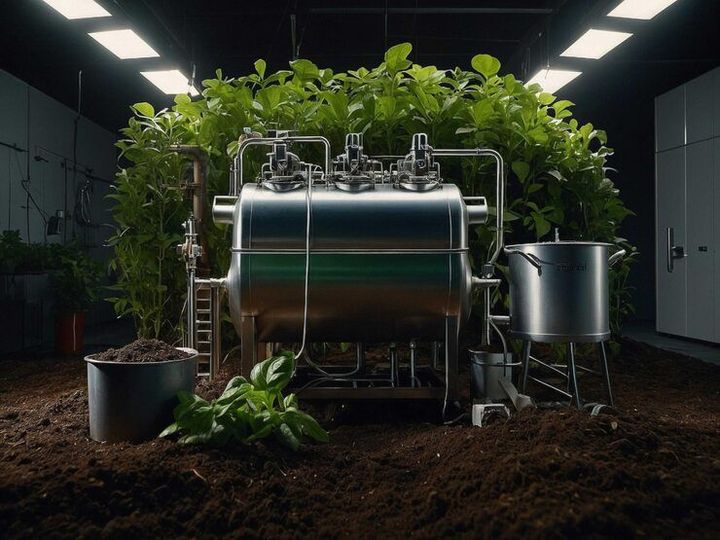
Biochar Production Systems Overview: Learn Basics, Benefits, and Practical Insights
Biochar production systems are technologies and processes used to convert organic materials such as agricultural waste, wood residues, and biomass into a stable form of carbon called biochar. This process typically occurs through pyrolysis, which involves heating organic material in a low-oxygen environment.
Biochar has been used historically in ancient agricultural practices, but modern systems are more advanced and designed to address environmental and sustainability challenges. These systems range from small-scale units for farms to large industrial setups used in waste management and renewable energy sectors.
The purpose of biochar production systems is to transform waste biomass into a useful product that improves soil quality, captures carbon, and reduces greenhouse gas emissions. As climate change and soil degradation continue to impact global ecosystems, interest in biochar systems has increased across industries such as agriculture, forestry, and environmental management.
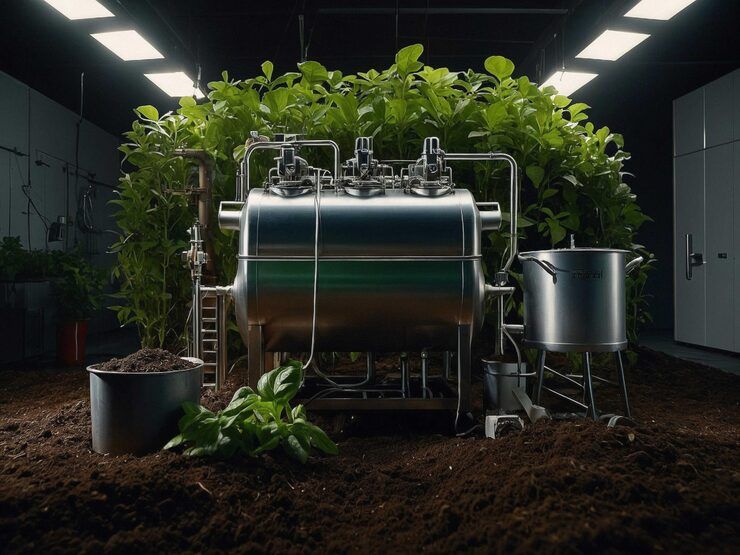
Importance – Why Biochar Systems Matter Today
Biochar production systems play a growing role in sustainable development and environmental protection. They address multiple environmental and agricultural challenges at the same time, making them highly relevant today.
Carbon Sequestration
One key benefit is carbon sequestration. Biochar stores carbon in a stable form, preventing it from returning to the atmosphere as carbon dioxide and supporting climate change mitigation efforts.
Soil Improvement
Another major advantage is soil improvement. When added to soil, biochar enhances water retention, nutrient availability, and microbial activity, which helps improve crop productivity.
Waste Management
Biochar systems also contribute to waste management by converting agricultural residues and organic waste into valuable resources. This reduces landfill use and minimizes harmful emissions from decomposition or open burning.
Key Benefits Overview
| Benefit Area | Description |
|---|---|
| Climate Impact | Reduces greenhouse gas emissions through carbon storage |
| Soil Health | Improves fertility, moisture retention, and microbial activity |
| Waste Management | Converts biomass waste into useful material |
| Renewable Energy | Produces by-products like syngas and bio-oil |
| Water Quality | Helps filter pollutants and retain nutrients in soil |
Recent Updates – Trends and Developments in the Past Year
Over the past year (2024–2025), biochar production systems have seen notable advancements and increased global attention. These developments highlight the growing importance of biochar in sustainability efforts.
Integration with Carbon Markets
One significant trend is the integration of biochar into carbon credit markets. In 2025, several international carbon registries expanded frameworks to include biochar-based carbon removal projects.
Technological Innovations
Technological improvements have enhanced system efficiency. New modular pyrolysis units introduced in late 2024 allow decentralized production, making adoption easier for rural and small-scale users.
Digital Monitoring Tools
Modern biochar systems now include sensors and analytics platforms. These tools help optimize temperature control, track emissions, and improve output quality.
Research Advancements
Recent research in early 2025 shows improved methods of combining biochar with compost and fertilizers. This enhances its effectiveness in soil applications and agricultural productivity.
Urban Applications
Governments and environmental organizations are testing biochar in urban green infrastructure. These include parks, landscaping, and city sustainability projects.
Laws or Policies – Regulatory and Government Frameworks
Biochar production systems are influenced by environmental regulations, agricultural policies, and climate strategies. These frameworks ensure safe, sustainable, and efficient use of biochar technologies.
In India, biochar is increasingly recognized under sustainable agriculture and waste management initiatives. Policies promoting organic farming and soil health support the use of biochar as a soil amendment.
Globally, biochar is included in climate policies and net-zero commitments. Countries are introducing guidelines to ensure sustainable biomass sourcing and prevent environmental damage.
Environmental regulations also require emission control in pyrolysis systems. Operators must follow air quality standards and properly manage by-products such as gases and liquids.
Key Policy Considerations
- Sustainable sourcing of biomass
- Emission control standards
- Certification for carbon credits
- Agricultural usage guidelines
- Waste management regulations
Tools and Resources – Practical Support for Biochar Systems
Various tools and resources are available to support the implementation and optimization of biochar systems. These tools help measure performance, environmental impact, and operational efficiency.
Commonly Used Tools
- Biochar carbon calculators for estimating carbon sequestration
- Pyrolysis system design templates for different scales
- Soil testing kits to analyze agricultural impact
- Digital monitoring platforms for emissions and temperature tracking
- Research databases and academic publications
Tools Overview Table
| Tool Type | Purpose |
|---|---|
| Carbon Calculators | Estimate carbon storage and emission reduction |
| Soil Testing Tools | Analyze soil improvement after biochar application |
| Monitoring Systems | Track temperature, emissions, and system efficiency |
| Design Templates | Plan and build biochar production units |
| Research Platforms | Access technical studies and scientific data |
Educational resources such as online courses, webinars, and technical guides also help users better understand biochar technologies and applications.
FAQs – Common Questions About Biochar Production Systems
What is the main purpose of a biochar production system?
The main purpose is to convert organic biomass into biochar, which stores carbon, improves soil quality, and reduces waste.
How does pyrolysis differ from burning biomass?
Pyrolysis occurs in a low-oxygen environment, producing biochar and useful by-products. In contrast, burning releases most carbon as carbon dioxide.
Can biochar be used in all types of soil?
Biochar can be applied to many soil types. However, its effectiveness depends on soil composition, climate, and application methods.
Is biochar production environmentally safe?
When managed properly with emission controls and sustainable sourcing, biochar production can be environmentally beneficial.
What materials can be used to produce biochar?
Common materials include agricultural residues, wood chips, crop waste, and other organic biomass.
Conclusion
Biochar production systems represent a key intersection of environmental science, agriculture, and climate strategy. By converting organic waste into stable carbon, they address soil degradation, emissions, and waste challenges simultaneously.
Recent advancements in technology and policy have strengthened their role in sustainable development. Improved tools, carbon market integration, and growing awareness are making these systems more accessible and effective.
Understanding their functionality, benefits, and regulatory context helps individuals and organizations make informed decisions. As sustainability becomes a global priority, biochar systems are expected to remain an essential environmental solution.