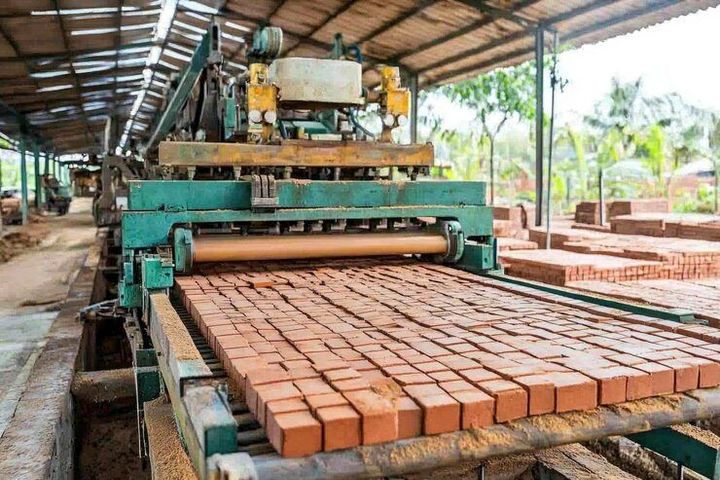
Block Making Machines Overview: Features, Benefits, and Applications Guide
Block making machines are industrial equipment used to produce concrete blocks, bricks, and paving units in a standardized and efficient way. These machines are designed to mix raw materials such as cement, sand, aggregates, and water, then mold them into uniform shapes using pressure and vibration. The process helps ensure consistency in size, strength, and durability, which is essential for modern construction projects.
The need for block making machines arose with the growth of urban infrastructure and the demand for faster, scalable building solutions. Traditional brick-making methods were time-consuming and labor-intensive, making it difficult to meet the needs of expanding cities. As a result, automated and semi-automated machines became an important part of construction technology.
These machines are used in various environments, from small workshops to large-scale manufacturing units. Depending on the level of automation, they can operate manually, semi-automatically, or fully automatically. Each type serves different production requirements while maintaining a focus on efficiency and quality control.
Importance – Why Block Making Machines Matter Today
Block making machines play a significant role in the construction and infrastructure sector. Their importance has increased due to rapid urbanization, population growth, and the need for sustainable building materials.
One key advantage is consistency. Uniform blocks improve structural stability and reduce errors during construction. This helps engineers and builders maintain safety standards and complete projects more efficiently.
Another important factor is productivity. These machines can produce large quantities of blocks in a short time, reducing delays in construction timelines. This is particularly useful for large infrastructure projects such as roads, housing developments, and industrial buildings.
Block making machines also contribute to resource efficiency. By optimizing the use of raw materials, they minimize waste and support environmentally conscious construction practices. Some machines are designed to use recycled materials, which aligns with global sustainability goals.
The impact of these machines extends to various groups, including:
- Construction companies seeking reliable building materials
- Engineers and architects focusing on structural quality
- Small-scale manufacturers entering the construction supply chain
- Government projects aiming for affordable housing solutions
Overall, block making machines help address challenges such as inconsistent material quality, slow production processes, and increasing demand for durable construction materials.
Recent Updates – Trends and Developments in the Past Year
In the past year, several advancements have shaped the block making machine industry. One major trend is the integration of automation and smart technology. Modern machines now include digital control panels, sensors, and programmable systems that improve accuracy and reduce manual intervention.
Another update is the focus on eco-friendly production. Manufacturers are developing machines that can process alternative materials like fly ash, recycled concrete, and industrial waste. This shift supports sustainable construction and reduces environmental impact.
Energy efficiency has also become a priority. New models are designed to consume less power while maintaining high output levels. This is particularly relevant in regions where energy costs and environmental concerns are increasing.
In 2025, there has been growing interest in modular construction methods, which rely heavily on standardized blocks. This has increased the demand for machines capable of producing high-precision units.
Additionally, digital monitoring systems are being introduced. These systems allow operators to track production data, machine performance, and maintenance needs in real time, improving overall efficiency.
Laws or Policies – Regulatory Influence on Block Making Machines
Block making machines and their output are influenced by construction standards and government policies. These regulations ensure that building materials meet safety, quality, and environmental requirements.
In countries like India, construction materials must comply with standards set by organizations such as the Bureau of Indian Standards (BIS). These standards define the strength, durability, and dimensions of concrete blocks used in construction.
Environmental regulations also play a role. Governments encourage the use of sustainable materials and methods, which has led to the adoption of machines capable of producing eco-friendly blocks. Policies promoting waste recycling and reduced carbon emissions indirectly support the use of advanced block making technology.
Housing and infrastructure programs, such as affordable housing initiatives, often require large quantities of standardized building materials. This increases the demand for efficient production systems that meet regulatory guidelines.
Safety regulations are equally important. Operators must follow guidelines related to machine handling, maintenance, and workplace safety to prevent accidents and ensure smooth operations.
Tools and Resources – Helpful Options for Learning and Operation
There are several tools and resources available for individuals and businesses interested in block making machines. These resources help in understanding machine operation, planning production, and improving efficiency.
Some commonly used tools include:
- Online construction calculators for estimating material requirements
- Production planning software for managing output and scheduling
- Maintenance tracking systems to monitor machine performance
- Educational platforms offering courses on construction technology
- Industry websites providing technical specifications and guidelines
Below is a simple table showing common types of block making machines and their general characteristics:
| Machine Type | Automation Level | Suitable Use Case |
|---|---|---|
| Manual | Low | Small-scale production |
| Semi-Automatic | Medium | Medium production units |
| Fully Automatic | High | Large industrial operations |
Another helpful comparison is based on production efficiency:
| Feature | Basic Machines | Advanced Machines |
|---|---|---|
| Output Speed | Moderate | High |
| Material Efficiency | Standard | Optimized |
| Energy Consumption | Higher | Lower |
| Control Systems | Manual | Digital |
These tools and resources make it easier for users to understand the technical and operational aspects of block making machines.
FAQs – Common Questions Answered
What materials are used in block making machines?
Block making machines typically use cement, sand, aggregates, and water. Some machines can also process materials like fly ash and recycled concrete.
How do block making machines ensure quality?
They use controlled pressure and vibration to create uniform blocks. This ensures consistent size, density, and strength across all units.
Are block making machines suitable for small-scale use?
Yes, manual and semi-automatic machines are designed for smaller operations, while fully automatic machines are used for large-scale production.
What is the role of automation in these machines?
Automation improves accuracy, reduces manual effort, and increases production speed. It also helps in maintaining consistent quality.
Do these machines support sustainable construction?
Many modern machines are designed to use eco-friendly materials and reduce waste, supporting sustainable building practices.
Conclusion
Block making machines have become an essential part of modern construction due to their ability to produce consistent, durable, and efficient building materials. They address key challenges such as scalability, quality control, and resource optimization, making them valuable across different types of construction projects.
With recent advancements in automation, energy efficiency, and sustainability, these machines continue to evolve and adapt to industry needs. Regulations and government policies further guide their use, ensuring safety and environmental responsibility.