Chemical Reactor Systems Explained: Key Types, Processes & Industrial Uses
Chemical reactor systems are engineered units designed to carry out and control chemical reactions. They bring together raw materials under carefully managed conditions so that a desired chemical transformation can take place safely and consistently.
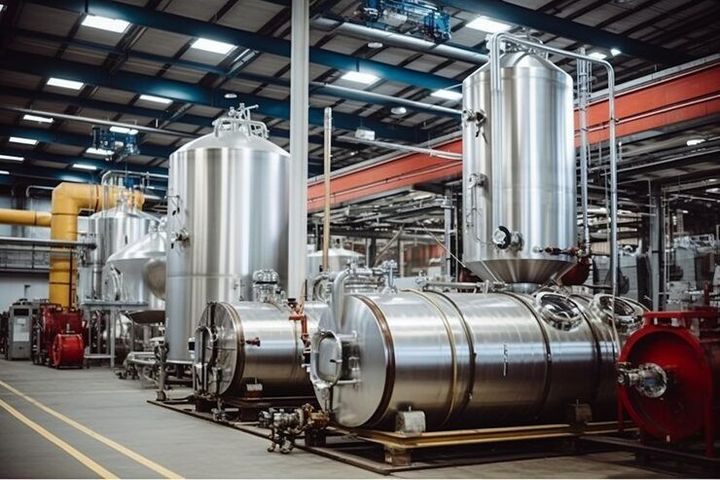
A reactor system is more than a single vessel. It may include mixing equipment, heating or cooling systems, pumps, sensors, control instruments, feed systems, separation units, and safety devices. Together, these components help maintain the conditions required for a reaction.
Chemical reactors exist because many industrial reactions need precise control. Temperature, pressure, concentration, mixing speed, and reaction time can all affect the final result. A small change in one condition may influence product quality, energy use, emissions, or safety.
Chemical reactor design is therefore an important area of chemical engineering. It connects chemistry with process engineering, industrial automation, thermodynamics, fluid mechanics, and process safety.
Why Chemical Reactor Systems Matter Today
Chemical reactor systems are used across many industries. They support the production and processing of materials used in everyday life, including polymers, medicines, fertilizers, fuels, coatings, food ingredients, specialty chemicals, and advanced materials.
Their importance comes from their ability to create controlled reaction environments. Without suitable reactor technology, many chemical processes would be difficult to manage at industrial scale.
Chemical reactor systems help address several important challenges:
- Process control: Sensors and automated systems help monitor key conditions.
- Product consistency: Controlled reactions can improve repeatability between production batches.
- Energy management: Better heat transfer and process control can reduce unnecessary energy use.
- Safety: Pressure relief systems, monitoring equipment, and shutdown controls help manage hazards.
- Environmental performance: Modern designs increasingly focus on reducing waste, emissions, and resource use.
- Scale-up: Laboratory reactions must often be transferred to pilot and industrial systems without losing performance.
Chemical reactors affect engineers, plant operators, researchers, environmental regulators, and industries that depend on chemical transformation. Their design can influence the efficiency and environmental profile of an entire industrial process.
Main Types of Chemical Reactor Systems
Different reactions require different reactor designs. The most suitable choice depends on reaction speed, temperature, pressure, material properties, production scale, and the required level of process control.
Batch Reactors
A batch reactor processes a specific quantity of materials during a defined operating cycle. Ingredients are added, the reaction takes place, and the contents are later removed.
Batch reactors are widely used where flexibility is important or where products are made in different formulations. They are common in research, specialty chemical processing, pharmaceutical manufacturing, and smaller production runs.
Their main advantage is flexibility. However, operating conditions may change throughout the reaction, so temperature and mixing control are important.
Continuous Stirred-Tank Reactors
A continuous stirred-tank reactor, often called a CSTR, continuously receives feed materials while processed material leaves the vessel. A mixing system helps maintain a relatively uniform composition inside the reactor.
CSTRs are useful for continuous chemical processes and reactions that benefit from steady operation. Their design must consider mixing, heat removal, reaction kinetics, and residence time.
Plug Flow Reactors
A plug flow reactor moves reacting materials through a tubular system. The material flows along the reactor while the chemical reaction progresses.
These reactors are commonly considered for continuous processes where the reaction changes as materials travel through the tube. Temperature control and pressure drop are important design factors.
Packed-Bed Reactors
Packed-bed reactors contain solid particles, often catalysts, through which reactants flow. The solid material can help accelerate a chemical reaction.
They are widely used in catalytic processes. Engineers must consider pressure drop, heat transfer, catalyst activity, and the possibility of temperature differences within the reactor.
Fluidized-Bed Reactors
Fluidized-bed reactors use a flow of gas or liquid to suspend solid particles. This creates a fluid-like movement of the solid material.
The design can provide strong mixing and heat transfer. Fluidized-bed technology is used in several chemical, energy, environmental, and materials-processing applications.
Membrane Reactors
Membrane reactors combine chemical reaction with selective separation. A membrane may allow certain molecules to pass through while retaining others.
This approach can help shift reaction conditions or improve separation within a process. Membrane reactor research continues to develop for applications involving hydrogen, clean fuels, chemical synthesis, and environmental treatment.
How a Chemical Reactor Process Works
Although reactor systems differ widely, many follow a similar process sequence.
First, raw materials are prepared and fed into the system. The feed may be liquid, gas, solid, or a combination of phases.
Next, the reactor establishes the required conditions. Heating, cooling, pressure control, agitation, or catalyst contact may be used depending on the reaction.
The chemical transformation then takes place. Sensors may monitor temperature, pressure, flow rate, concentration, and other process variables.
After the reaction, the resulting mixture may pass through separation and purification equipment. The final stream may contain the desired product, unreacted materials, by-products, solvents, or other substances.
A basic reactor system can therefore include:
- Feed preparation
- Reactant dosing
- Mixing
- Heating or cooling
- Reaction control
- Measurement and automation
- Separation
- Waste management
- Safety protection
Recent Developments and Trends
Chemical reactor technology has continued to evolve during 2025 and 2026. One important direction is the use of digital modelling and advanced simulation. Engineers increasingly use computational tools to study fluid flow, heat transfer, reaction kinetics, and equipment performance before making physical changes to a plant.
Research published in 2025 also explored formal verification methods for chemical reactor models. Such approaches investigate whether mathematical methods can help verify that certain operating conditions remain within defined limits. This reflects a broader interest in combining process engineering with advanced computational analysis.
Sustainability is another major trend. Reactor systems are increasingly being studied for waste reduction, energy efficiency, carbon management, and the use of renewable or alternative feedstocks.
In February 2026, Indian researchers reported development of a sunlight-driven nano-reactor designed to help break down complex pollutants in wastewater. The development reflects growing interest in reactor technologies for environmental treatment, particularly for difficult industrial and pharmaceutical contaminants.
Another important trend is the use of digital twins and artificial intelligence for monitoring and process optimization. These technologies can help analyze operating data, identify unusual patterns, and support predictive maintenance. They do not replace engineering validation or safety procedures, but they can provide additional analytical support.
Modern reactor design is also increasingly linked with circular economy principles. Researchers and industries are examining how waste streams, carbon-containing materials, biomass, and industrial by-products can be converted into useful chemicals or energy carriers.
Laws, Regulations, and Safety Policies
Chemical reactor systems are affected by several layers of regulation. The exact requirements depend on the country, chemical substances, process conditions, facility location, emissions, and environmental risks.
In India, chemical facilities may be subject to environmental rules, hazardous chemical management requirements, industrial safety provisions, pollution control requirements, and emergency planning obligations. The Ministry of Environment, Forest and Climate Change lists regulations covering hazardous chemical manufacture, storage, and import, as well as chemical accident emergency planning and response.
Environmental approvals and pollution control requirements may also apply to emissions, wastewater, hazardous waste, and other impacts associated with industrial processes. The Department of Chemicals and Petrochemicals notes that chemical industries are subject to mandatory standards and environmental frameworks relevant to production facilities.
Internationally, regulatory approaches vary. For example, the United States Environmental Protection Agency finalized amendments in April 2026 affecting certain chemical manufacturing area sources under hazardous air pollutant rules. The amendments included requirements related to equipment leaks and heat exchange systems in relevant chemical manufacturing categories.
For reactor operations, safety planning commonly considers:
- Pressure and temperature limits
- Emergency shutdown systems
- Hazard identification
- Chemical compatibility
- Fire and explosion risks
- Ventilation and containment
- Emergency response planning
- Waste and emissions control
- Inspection and maintenance records
Because regulations can change, organizations should always check current requirements with the relevant national, state, and local authorities.
Tools and Resources for Learning and Planning
Several types of tools can help students, engineers, researchers, and technical teams understand chemical reactor systems.
Process Simulation Software
Simulation platforms can model reaction kinetics, heat transfer, fluid flow, mass balances, and process conditions. They are useful for studying how changes in operating parameters may affect a reactor.
Reaction Kinetics Calculators
Online calculators and engineering worksheets can help estimate reaction rates, conversion, residence time, and other basic parameters.
Process Flow Diagrams
Flow diagram templates help users map feed streams, reactor units, pumps, heat exchangers, separators, and control points.
Safety Checklists
Hazard identification checklists and process safety templates can help organize reviews of pressure, temperature, chemical compatibility, emergency controls, and operating procedures.
Data Logging and Monitoring Tools
Industrial data systems can record process conditions and help identify changes over time. Historical data can support troubleshooting and performance analysis.
Technical Learning Resources
University textbooks, engineering courses, scientific papers, laboratory manuals, and government regulatory publications can help readers understand reactor design and process safety.
Frequently Asked Questions
What is the main purpose of a chemical reactor?
The main purpose is to provide controlled conditions for a chemical reaction. The reactor manages factors such as temperature, pressure, mixing, concentration, and reaction time.
Which reactor type is best for every chemical process?
There is no single reactor type that is best for every process. The choice depends on reaction kinetics, material properties, production requirements, heat transfer needs, operating conditions, and safety considerations.
What is the difference between batch and continuous reactors?
A batch reactor processes a defined quantity of material during a cycle. A continuous reactor receives feed and removes processed material continuously. Batch systems provide flexibility, while continuous systems are often designed for steady operation.
Why is temperature control important in a reactor?
Temperature can strongly affect reaction speed, product formation, pressure, and safety. Poor temperature control may reduce process stability or create hazardous conditions.
Are chemical reactors used outside chemical manufacturing?
Yes. Reactor systems are also used in environmental treatment, energy production, biotechnology, food processing, pharmaceutical research, materials development, and laboratory studies.
Conclusion
Chemical reactor systems are central to modern process engineering. They provide controlled environments where chemical reactions can take place with carefully managed temperature, pressure, mixing, and material flow.continuous stirred-tank, plug flow, packed-bed, fluidized-bed, and membrane reactors each serve different purposes. The right choice depends on the chemistry, process conditions, scale, safety requirements, and environmental goals.