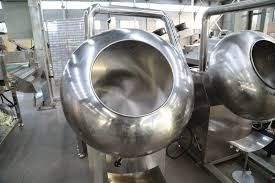
Chocolate Coating Machines Guide: Understanding Equipment and Coating Processes
Chocolate-coated products are a familiar part of the confectionery industry.
From biscuits and wafers to candies and snack bars, many foods receive a chocolate layer that improves appearance, texture, and flavor. The equipment used for this purpose has evolved over time, allowing manufacturers to apply chocolate coatings more consistently and efficiently.
Chocolate coating machines are specialized systems designed to cover food products with a controlled layer of chocolate. These machines are part of broader chocolate processing machinery used in food production facilities. Depending on the product and production scale, different types of chocolate coating equipment may be used.
One of the most recognized systems is the chocolate enrobing machine. Enrobing technology allows food products to pass through a curtain of liquid chocolate while excess coating is removed through airflow or vibration systems. This process creates a uniform coating around the product.
Today, industrial chocolate coating machine systems are used in a wide range of food manufacturing environments. Advances in automation have also contributed to the development of automatic chocolate coating systems that can operate with minimal manual intervention while maintaining consistent coating quality.
Understanding Chocolate Coating Processes
The chocolate coating process generally involves several stages:
- Preparation of chocolate through melting and temperature control
- Product feeding onto a conveyor system
- Application of chocolate coating
- Removal of excess chocolate
- Cooling and setting
- Packaging or further processing
Different products may require variations in these steps depending on size, shape, texture, and desired coating thickness.
Types of Chocolate Coating Equipment
Several forms of chocolate coating equipment are commonly used in food production.
Chocolate enrobers apply a continuous curtain of chocolate over products moving on a conveyor.
Coating pans rotate products while chocolate is gradually added, often used for nuts and small confectionery items.
Spray coating systems apply chocolate through controlled spraying methods for specialized applications.
Drum coating machines tumble products while distributing coating evenly across surfaces.
Each type of equipment serves different production needs and product characteristics.
Importance
Chocolate-coated products remain popular across many regions and consumer groups. As demand for consistent product quality grows, confectionery coating machines play an important role in food manufacturing operations.
Supporting Product Consistency
Consistency is one of the main challenges in food production. Variations in coating thickness can affect appearance, texture, and ingredient distribution. Commercial chocolate coating machine systems help maintain uniform application across large production volumes.
Consistent coatings also help manufacturers achieve predictable product specifications and packaging standards.
Improving Production Efficiency
Manual chocolate coating can be time-consuming and difficult to scale. Automated systems help streamline production by handling large quantities of products with controlled processing conditions.
Automatic chocolate coating systems can support continuous production while reducing interruptions associated with manual handling.
Addressing Food Safety Requirements
Food production facilities operate under strict hygiene requirements. Modern chocolate processing machinery often incorporates designs that facilitate cleaning and maintenance.
Features such as stainless-steel construction, enclosed processing zones, and accessible components help support food safety programs.
Supporting Product Innovation
Food manufacturers frequently introduce new confectionery products. Flexible chocolate coating equipment allows producers to experiment with different coating thicknesses, textures, and decorative finishes.
This flexibility supports product development while maintaining operational efficiency.
Common Products Processed with Chocolate Coating Machines
| Product Type | Typical Coating Method |
|---|---|
| Biscuits | Enrobing |
| Wafers | Enrobing |
| Snack Bars | Enrobing |
| Nuts | Pan Coating |
| Candies | Pan Coating |
| Bakery Products | Enrobing |
| Dried Fruits | Pan Coating |
| Specialty Confectionery | Spray or Drum Coating |
The choice of process depends on product characteristics and production objectives.
Recent Updates
The field of chocolate coating equipment continues to evolve as manufacturers seek improved efficiency, quality control, and sustainability.
Increased Automation
Automation remains a major trend across food processing industries. Modern automatic chocolate coating systems often include integrated sensors, digital controls, and programmable settings.
These technologies help operators monitor temperature, conveyor speed, and coating flow with greater precision.
Improved Energy Management
Energy efficiency has become an important consideration in food manufacturing. Newer industrial chocolate coating machine designs often incorporate improved insulation, optimized heating systems, and more efficient cooling tunnels.
These developments help reduce energy consumption during production.
Enhanced Monitoring Systems
Digital monitoring tools are increasingly integrated into chocolate processing machinery. Operators can track production parameters in real time and identify process variations before they affect product quality.
This trend supports more consistent manufacturing outcomes.
Flexible Production Lines
Consumer preferences continue to diversify, creating demand for smaller production runs and varied product formats. Many confectionery coating machines are now designed with greater flexibility to accommodate multiple product sizes and coating styles.
Quick-change components and programmable controls support this trend.
Focus on Sustainability
Food manufacturers are increasingly examining resource utilization throughout production processes. Equipment developers are responding with systems that minimize chocolate waste, improve cleaning efficiency, and optimize ingredient use.
These developments align with broader sustainability objectives across the food sector.
Laws or Policies
Chocolate coating equipment operates within a regulatory framework intended to protect food safety and consumer health. Specific requirements vary by country, but several common principles apply.
Food Safety Regulations
Food processing facilities are generally required to follow food safety regulations that address hygiene, contamination prevention, and manufacturing practices.
Chocolate coating equipment must be designed and maintained in a manner that supports these requirements.
Good Manufacturing Practices
Good Manufacturing Practices (GMP) establish guidelines for equipment cleanliness, maintenance procedures, employee hygiene, and production controls.
Many commercial chocolate coating machine installations are designed to facilitate GMP compliance through accessible cleaning areas and sanitary construction.
Hazard Analysis and Critical Control Point Systems
Many food manufacturers use Hazard Analysis and Critical Control Point (HACCP) programs to identify and manage food safety risks.
Chocolate coating processes may include monitoring of temperature control, ingredient handling, and contamination prevention as part of these programs.
Equipment Material Standards
Food-contact surfaces are typically required to use approved materials suitable for food production environments. Stainless steel remains one of the most commonly used materials in chocolate coating equipment because of its durability and cleanability.
Worker Safety Requirements
Manufacturing facilities must also consider workplace safety regulations. Equipment may include protective guards, emergency stop systems, and safety controls designed to reduce operational risks.
These requirements help protect personnel working around production machinery.
Tools and Resources
Several tools and resources can help individuals understand chocolate coating processes and equipment selection.
Technical Documentation
Many chocolate enrober manufacturers provide technical manuals, equipment specifications, and maintenance guides. These documents help explain machine operation and production capabilities.
Food Industry Associations
Industry associations often publish educational materials covering food processing technologies, sanitation practices, and equipment standards.
These resources can provide valuable background information about chocolate coating equipment and production methods.
Production Planning Software
Manufacturing software platforms can assist with production scheduling, inventory tracking, and process monitoring.
Such tools help coordinate operations involving chocolate processing machinery and related production equipment.
Temperature Monitoring Systems
Chocolate processing requires careful temperature management. Digital temperature monitoring tools can help operators maintain appropriate processing conditions throughout production.
Training Resources
Educational institutions, food technology programs, and industry training providers often publish materials related to confectionery production and coating technologies.
These resources can help individuals develop a deeper understanding of chocolate coating processes.
FAQs
What are chocolate coating machines used for?
Chocolate coating machines are used to apply chocolate layers to food products such as biscuits, wafers, candies, nuts, and snack bars. They help create consistent coatings while supporting efficient production processes.
How does a chocolate enrobing machine work?
A chocolate enrobing machine typically moves products along a conveyor through a curtain of liquid chocolate. Excess chocolate is removed, and the coated product then passes through a cooling stage where the coating solidifies.
What is the difference between chocolate coating equipment and chocolate processing machinery?
Chocolate coating equipment focuses specifically on applying chocolate to products. Chocolate processing machinery is a broader category that may include melting systems, tempering equipment, cooling tunnels, and coating machines.
Where are industrial chocolate coating machine systems commonly used?
Industrial chocolate coating machine systems are commonly used in confectionery manufacturing facilities, bakery production plants, snack food operations, and other food processing environments that produce coated products.
What factors influence the performance of automatic chocolate coating systems?
Several factors affect performance, including chocolate viscosity, temperature control, conveyor speed, product shape, cooling conditions, and equipment maintenance practices.
Conclusion
Chocolate coating technology plays an important role in modern food manufacturing. From simple coating applications to highly automated production lines, chocolate coating machines help create consistent products across a wide range of food categories. Advances in automation, monitoring systems, and production flexibility continue to shape the development of chocolate coating equipment. Understanding the equipment, processes, regulations, and supporting resources provides a useful foundation for learning about chocolate-coated food production and confectionery manufacturing.