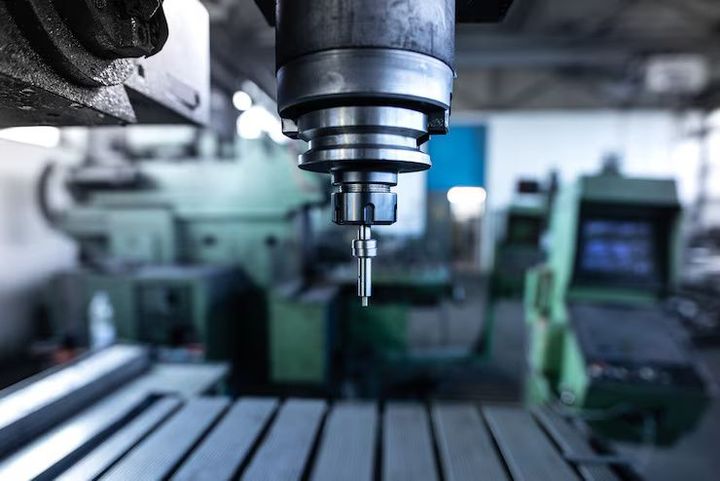
CNC Machines Explained: How Automated Machining Technology Works
CNC Machines are among the most important technologies in modern manufacturing. CNC stands for Computer Numerical Control, a method that uses programmed instructions to control machine tools. Instead of relying entirely on manual operation, CNC systems follow digital commands to perform cutting, drilling, milling, turning, and shaping tasks with a high level of consistency.
The development of CNC technology began as industries sought more accurate and repeatable manufacturing methods. Traditional machine tools depended heavily on manual adjustments, which could lead to variations in finished products. As computers became more capable, manufacturers integrated digital controls into machinery, creating the foundation for today's industrial CNC machines.
Today, CNC Machines are used across many sectors, including automotive production, aerospace manufacturing, medical device production, electronics, metal fabrication, and woodworking. CNC machine manufacturers continue to develop systems that combine precision engineering with advanced software and automation technologies.
How CNC Machines Work
A CNC machine operates through software-generated instructions known as G-code. These instructions guide machine movements, cutting paths, speeds, and tool changes.
The basic process includes:
- Designing a part using computer-aided design (CAD) software
- Converting the design into machining instructions through computer-aided manufacturing (CAM) software
- Sending instructions to the CNC machine
- Producing the component through automated machining operations
This process allows manufacturers to produce identical parts repeatedly while maintaining quality standards.
Common Types of CNC Machines
Several machine categories are used in manufacturing environments.
| CNC Machine Type | Primary Function |
|---|---|
| CNC Milling Machine | Cuts and shapes materials using rotating tools |
| CNC Turning Machine | Rotates material while cutting tools shape it |
| CNC Router | Cuts wood, plastics, and composite materials |
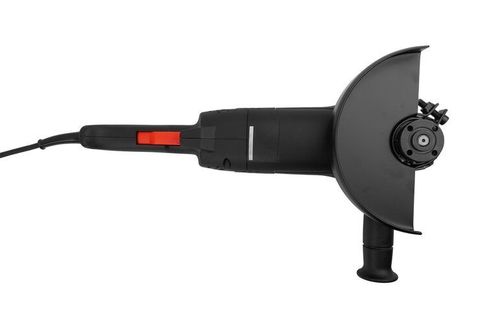
| CNC Grinding Machine | Finishes surfaces with precision |
| CNC Laser Machine | Uses laser beams for cutting and engraving |
| CNC Plasma Machine | Cuts conductive metals with plasma arcs |
CNC milling machine manufacturers and CNC turning machine suppliers play important roles in supporting different industrial applications.
Importance
Supporting Precision Manufacturing
One reason CNC technology remains important is its ability to produce highly accurate components. Many industries require precise dimensions and consistent product quality.
Even small measurement variations can affect product performance, making CNC machining an essential manufacturing method.
Increasing Production Consistency
Industrial CNC machines help maintain uniform production standards. Once a program is validated, the machine can reproduce the same component repeatedly.
This consistency is particularly important for sectors that manufacture large quantities of parts.
Reducing Material Waste
Modern CNC systems optimize cutting paths and machining operations. Efficient material use can help reduce waste during production processes.
This contributes to improved resource management and sustainability efforts.
Supporting Complex Designs
Many products contain shapes and features that would be difficult to create using traditional manual methods. CNC technology enables manufacturers to produce intricate geometries with greater accuracy.
This capability supports innovation across multiple industries.
Enhancing Industrial Automation
CNC automation solutions providers contribute to manufacturing systems that integrate machines, robotics, sensors, and software platforms.
Automation helps coordinate production activities while improving operational visibility.
Recent Updates
Growth of Smart Manufacturing
Recent manufacturing trends emphasize connected production systems. CNC Machines are increasingly linked to digital monitoring platforms that provide operational insights.
These systems allow manufacturers to monitor machine performance and production status in real time.
Expansion of Artificial Intelligence Applications
Artificial intelligence tools are becoming more common in manufacturing environments. AI can assist with predictive maintenance, process optimization, and production planning.
Many advanced CNC manufacturing technologies now incorporate intelligent analytics capabilities.
Increased Automation Integration
Modern CNC equipment frequently works alongside robotic handling systems and automated material transport technologies.
This integration supports continuous production workflows and improves manufacturing efficiency.
Digital Twin Technologies
Some manufacturers use digital representations of machine tools to simulate operations before production begins.
Digital twins help evaluate machining strategies and identify potential issues during planning stages.
Energy-Efficient Equipment Design
Manufacturers continue to develop machines designed to improve energy utilization while maintaining productivity.
Energy management has become an increasingly important consideration in industrial operations.
Laws or Policies
Workplace Safety Regulations
CNC operations are governed by workplace safety requirements in many countries. These regulations typically address machine guarding, operator protection, emergency stops, and safe operating procedures.
Compliance helps reduce workplace risks associated with machining activities.
Machinery Standards
Industrial equipment often follows technical standards covering design, operation, and maintenance practices.
These standards help promote consistency and safety across manufacturing facilities.
Environmental Regulations
Manufacturing operations may be subject to environmental requirements related to waste management, emissions, and energy usage.
Organizations often monitor machining processes to align with applicable environmental expectations.
Data Security Requirements
As CNC systems become more connected, cybersecurity considerations are becoming increasingly important.
Manufacturers may implement security controls to protect production data and connected equipment networks.
Industrial Development Programs
Various governments support advanced manufacturing initiatives through technology modernization programs, training initiatives, and industrial development strategies.
These programs encourage the adoption of digital manufacturing technologies.
Tools and Resources
CAD Software
Computer-aided design software enables engineers and designers to create digital product models.
These tools support detailed design development before manufacturing begins.
CAM Software
Computer-aided manufacturing platforms convert digital designs into machine instructions.
CAM software plays a central role in CNC production planning.
Machine Monitoring Platforms
Monitoring systems collect operational information from manufacturing equipment.
Common functions include:
- Equipment performance tracking
- Production monitoring
- Tool usage analysis
- Machine utilization measurement
- Maintenance scheduling
Simulation Software
Simulation tools help evaluate machining strategies before production begins.
These platforms can reduce errors and improve planning accuracy.
Tool Management Systems
Tool management software tracks cutting tool usage, wear patterns, and replacement schedules.
Efficient tool management contributes to consistent production quality.
CNC Industry Resources
Several types of organizations and information sources support CNC operations:
- Manufacturing associations
- Engineering standards organizations
- Technical training institutions
- Industrial research publications
- Equipment documentation libraries
Typical CNC Equipment Components
| Component | Function |
|---|---|
| Controller | Executes machining instructions |
| Spindle | Rotates cutting tools |
| Tool Changer | Automatically switches tools |
| Servo Motors | Control machine movement |
| Workholding System | Secures materials |
| Monitoring Interface | Displays operational data |
These components work together to support CNC machining operations.
Understanding Equipment Acquisition
Organizations evaluating CNC equipment often review factors such as production requirements, machine capabilities, facility space, maintenance planning, and CNC machine financing options that may be available through equipment providers or financial institutions.
Such evaluations help align equipment selection with operational objectives.
FAQs
What are CNC Machines used for?
CNC Machines are used to manufacture components through automated cutting, milling, drilling, turning, and shaping processes. They are common in automotive, aerospace, electronics, medical, and industrial manufacturing.
What is the difference between CNC milling machines and CNC turning machines?
CNC milling machine manufacturers typically produce machines that use rotating cutting tools to shape stationary materials. CNC turning machine suppliers focus on machines that rotate the material while cutting tools remove material from the surface.
How do industrial CNC machines improve manufacturing?
Industrial CNC machines improve consistency, precision, and productivity by following programmed instructions. They can produce complex components with repeatable results across large production volumes.
What do CNC automation solutions providers contribute to manufacturing?
CNC automation solutions providers help integrate machine tools with robotics, monitoring platforms, material handling systems, and digital production technologies.
What are advanced CNC manufacturing technologies?
Advanced CNC manufacturing technologies include smart monitoring systems, artificial intelligence applications, digital twins, automated tool management, predictive maintenance tools, and connected production platforms.
Conclusion
CNC Machines have transformed manufacturing by combining digital controls with precision machining capabilities. They support consistent production, complex product designs, and modern automation strategies across numerous industries. Ongoing developments in artificial intelligence, machine connectivity, and advanced CNC manufacturing technologies continue to influence how products are designed and manufactured. As manufacturing becomes increasingly digital, CNC systems remain a central component of industrial production environments.