CNC Precision Machining: A Complete Guide to Accuracy, Processes, and Applications
CNC precision machining is a manufacturing process that uses computer-controlled machines to shape materials into highly accurate parts. The term CNC stands for Computer Numerical Control, which means the machines follow programmed instructions to perform tasks such as cutting, drilling, milling, and turning.
This technology exists to achieve a level of accuracy and repeatability that manual machining cannot consistently deliver. By converting digital designs into physical components, CNC machining helps industries produce complex shapes with tight tolerances.
Modern CNC systems work with various materials, including metals, plastics, and composites. Engineers create designs using CAD (Computer-Aided Design) software, which are then translated into machine-readable instructions through CAM (Computer-Aided Manufacturing) systems.
Key characteristics of CNC precision machining include:
- High dimensional accuracy
- Consistent production quality
- Ability to create complex geometries
- Reduced human error
These features make CNC machining essential in sectors where precision is critical.
Why CNC Precision Machining Matters Today
CNC precision machining plays a central role in modern manufacturing, especially in industries that require strict quality standards. It supports the production of components used in aerospace, automotive, medical devices, electronics, and industrial equipment.
The importance of CNC machining can be understood through the problems it helps solve:
- Ensures consistency in mass production
- Reduces material waste through optimized cutting
- Improves product reliability and safety
- Supports rapid prototyping and design testing
In today’s technology-driven world, even small inaccuracies can lead to significant performance issues. For example, components used in medical equipment or aircraft systems must meet exact specifications to function safely.
Below is a simple comparison table showing CNC machining versus traditional machining:
| Feature | CNC Precision Machining | Traditional Machining |
|---|---|---|
| Accuracy | Very High | Moderate |
| Automation | Fully automated | Manual |
| Repeatability | Excellent | Variable |
| Production Speed | High | Slower |
| Complexity Handling | Advanced shapes | Limited |
The ability to automate and scale production while maintaining quality makes CNC machining a cornerstone of industrial innovation.
Recent Trends and Developments in CNC Machining
Over the past year, CNC precision machining has seen several advancements driven by digital transformation and sustainability goals.
Some notable trends include:
-
Integration with Industry 4.0 (2025):
CNC machines are increasingly connected through IoT (Internet of Things), allowing real-time monitoring and predictive maintenance. This reduces downtime and improves efficiency. -
AI-Assisted Machining (2024–2025):
Artificial intelligence is being used to optimize tool paths and detect errors during machining, leading to better precision and reduced material waste. -
Advanced Materials Processing:
New techniques are enabling machining of harder and lightweight materials such as titanium alloys and carbon composites, commonly used in aerospace and medical fields. -
Sustainability Focus:
Manufacturers are adopting energy-efficient CNC systems and recycling metal waste to reduce environmental impact. -
Hybrid Manufacturing Systems:
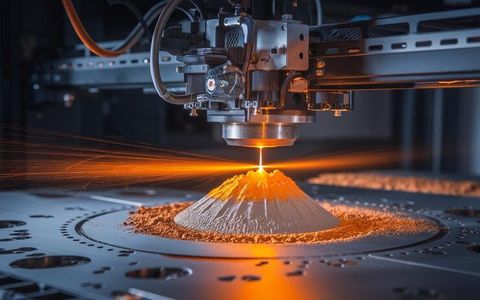
Machines combining CNC machining with additive manufacturing (3D printing) are becoming more common, allowing complex part creation in fewer steps.
These developments reflect a shift toward smarter, more efficient, and environmentally conscious manufacturing practices.
Regulations and Policies Affecting CNC Machining
CNC precision machining is influenced by various regulations and standards that ensure safety, quality, and environmental responsibility. These rules vary by country but generally align with international standards.
Key regulatory aspects include:
-
Quality Standards:
Standards such as ISO 9001 focus on quality management systems, ensuring consistent production processes. -
Industry-Specific Standards:
- Aerospace: AS9100 certification
- Medical devices: ISO 13485 compliance
- Automotive: IATF 16949 standards
-
Workplace Safety Regulations:
Governments enforce safety guidelines to protect workers operating CNC machines, including proper training and machine guarding. -
Environmental Regulations:
Policies related to waste disposal, coolant management, and energy usage aim to reduce the environmental impact of machining processes. -
Digital Manufacturing Policies (2024–2025):
Some countries are promoting smart manufacturing through incentives and programs that support automation and digital transformation.
These regulations help maintain product reliability while ensuring responsible manufacturing practices.
Tools and Resources for CNC Precision Machining
A variety of tools and digital resources support CNC machining processes, from design to production and quality control.
Software Tools:
- CAD software for creating design models
- CAM software for generating machine instructions
- Simulation tools to test machining processes virtually
Measurement and Inspection Tools:
- Coordinate Measuring Machines (CMM)
- Digital calipers and micrometers
- Surface roughness testers
Online Resources and Platforms:
- Engineering forums and knowledge bases
- CNC programming tutorials and courses
- Material property databases
Templates and Calculators:
- Cutting speed and feed rate calculators
- Tool life estimation templates
- Tolerance analysis tools
Below is a sample table showing common CNC machining processes and their uses:
| Process | Description | Common Applications |
|---|---|---|
| Milling | Rotating tool removes material | Engine parts, molds |
| Turning | Material rotates against cutting tool | Shafts, cylindrical parts |
| Drilling | Creates holes in material | Fastener holes, assemblies |
| Grinding | Finishing process for smooth surfaces | Precision components |
These tools and resources improve efficiency, accuracy, and workflow management in CNC operations.
Frequently Asked Questions About CNC Precision Machining
What is the difference between CNC machining and 3D printing?
CNC machining removes material from a solid block, while 3D printing builds objects layer by layer. CNC is generally more precise for metal parts, while 3D printing is useful for rapid prototyping.
What materials can be used in CNC precision machining?
Common materials include aluminum, steel, brass, plastics, and advanced composites. The choice depends on the application and required properties.
How accurate is CNC precision machining?
CNC machines can achieve tolerances as tight as ±0.001 mm, depending on the equipment and process used.
Is CNC machining suitable for small production runs?
Yes, CNC machining is flexible and can be used for both prototypes and small batch production without requiring major setup changes.
What industries rely on CNC precision machining?
Industries such as aerospace, automotive, healthcare, electronics, and manufacturing rely heavily on CNC machining for high-precision components.
Conclusion
CNC precision machining is a fundamental technology in modern manufacturing, enabling the production of accurate, reliable, and complex components. Its ability to combine automation with precision makes it essential for industries that demand high-quality standards.
As technology continues to evolve, CNC machining is becoming more advanced through integration with AI, IoT, and sustainable practices. At the same time, regulations and standards ensure that manufacturing processes remain safe, consistent, and environmentally responsible.
Understanding CNC precision machining provides valuable insight into how everyday products and critical systems are created. From design to final production, it remains a key driver of innovation and efficiency in today’s industrial landscape.