Combine Harvesters Guide: Features, Uses, Benefits and Farming Efficiency Explained
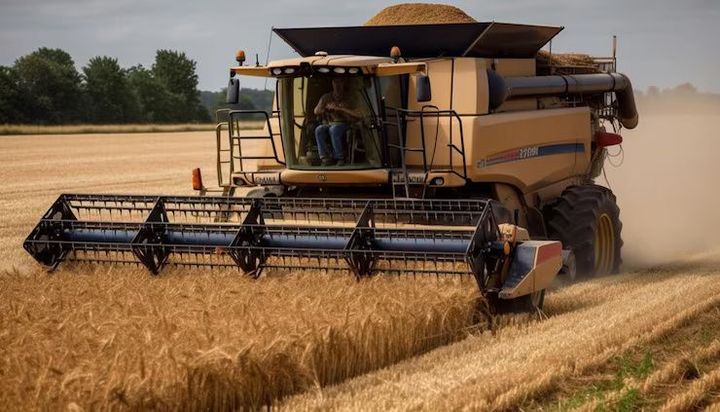
Combine harvesters are advanced agricultural machines designed to perform three essential harvesting operations—reaping, threshing, and winnowing—in a single process. These machines were developed to improve efficiency in farming by reducing manual labor and increasing productivity during harvest seasons.
Traditionally, harvesting crops such as wheat, rice, corn, and barley required multiple steps and significant manual effort. Farmers relied on separate tools for cutting, threshing, and cleaning grains, making the process time-consuming and labor-intensive .
Combine harvesters were introduced to simplify this workflow by integrating all harvesting steps into a single machine. Modern versions include advanced mechanical systems, digital controls, and precision farming technologies for improved efficiency .
Types of Combine Harvesters
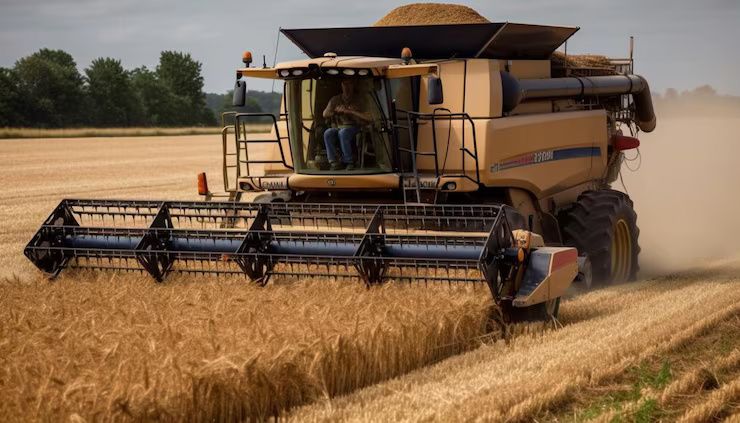
Common types of combine harvesters include:
- Self-propelled combine harvesters
- Tractor-mounted combine harvesters
- Track-type combine harvesters for wet or uneven terrain
- Compact combine harvesters for small-scale farming
These machines are widely used across both developed and developing agricultural economies.
Importance of Combine Harvesters
Combine harvesters play a key role in improving agricultural productivity and efficiency. As global food demand increases, faster and more reliable harvesting methods are essential.
Why They Matter Today
Several factors make combine harvesters highly relevant in modern agriculture:
- Increasing agricultural labor shortages
- Need for faster harvesting to avoid crop loss
- Climate variability requiring timely operations
- Growth of large-scale farming and automation
Key Benefits
Combine harvesters help address multiple farming challenges:
- Reduce harvesting time significantly
- Minimize grain loss during collection
- Improve grain quality through cleaning systems
- Lower dependence on manual labor
- Enable harvesting across large areas quickly
They are especially important for crops like wheat and rice, where timing directly affects quality.
Recent Updates in 2025
Combine harvester technology continues to evolve with modern innovations. These advancements focus on automation, data integration, and sustainability.
Major Technological Trends
Key developments in 2025 include:
- Increased use of AI-based and automated harvesting systems
- Real-time yield monitoring and data analytics
- Growth of electric and hybrid machinery
- Integration with IoT-based smart farming platforms
Autonomous combine harvesters are becoming more common, using sensors and GPS to optimize harvesting routes. These systems reduce inefficiencies and require minimal human intervention.
Focus on Sustainability
Manufacturers are developing machines with:
- Improved fuel efficiency
- Reduced emissions
- Better resource management systems
In India, government-supported programs are encouraging mechanization to improve productivity and reduce post-harvest losses.
Laws and Policies
Combine harvesters are regulated to ensure safety, efficiency, and environmental protection. These policies also promote the adoption of modern farming equipment.
Key Policies in India
Important initiatives include:
- Sub-Mission on Agricultural Mechanization (SMAM)
- Farm mechanization schemes under the Ministry of Agriculture
- Pollution control norms for diesel-powered equipment
- Road transport regulations for large machinery
Regulatory Considerations
Key rules and guidelines include:
- Emission standards for machinery engines
- Safety procedures for operation and maintenance
- Noise control regulations
- Operator training recommendations
Globally, similar policies promote sustainable agriculture and safe machinery use.
Tools and Resources
Modern combine harvesters are supported by digital tools that improve performance and decision-making. These tools help farmers manage operations more effectively.
Common Tools
- GPS-based field mapping systems
- Yield monitoring software
- Farm management platforms
- Agricultural data analytics tools
- Weather forecasting applications
- Soil health monitoring tools
Tool Categories
- Precision agriculture software
- IoT-enabled farm monitoring systems
- Equipment tracking dashboards
- Maintenance scheduling applications
Key Combine Harvester Features
| Feature | Function | Benefit |
|---|---|---|
| Header System | Cuts and gathers crops | Efficient crop collection |
| Threshing Drum | Separates grain from stalks | Faster processing |
| Cleaning System | Removes impurities | Improved grain quality |
| Grain Tank | Stores harvested grain | Reduced handling time |
| GPS Integration | Tracks field operations | Precision and efficiency |
Basic Harvesting Workflow
- The header cuts and collects crops
- The threshing system separates grain from stalks
- The cleaning system removes debris
- Clean grain is stored in the tank
- Residue is returned to the field
Frequently Asked Questions
What crops can be harvested using combine harvesters?
Combine harvesters are used for crops such as wheat, rice, corn, barley, and soybeans. Different headers can be used for specific crop types.
How do they improve farming efficiency?
They combine multiple harvesting steps into one process, saving time, reducing labor, and minimizing crop loss.
What is precision agriculture in this context?
Precision agriculture uses data and technology to optimize farming. Combine harvesters collect data on yield and field conditions using sensors and GPS.
Are they suitable for small farms?
Yes, compact and tractor-mounted models are available for small-scale farming operations.
What maintenance is required?
Regular maintenance includes:
- Checking engine components
- Cleaning filters
- Monitoring wear parts
- Ensuring proper lubrication
Additional Insights and Trends
Modern combine harvesters are evolving with smart technologies. Features like automated steering, real-time diagnostics, and cloud-based data systems are becoming standard.
Trend Analysis (2025)
| Trend Area | Growth Level |
|---|---|
| Automation | High |
| Data-Driven Farming | High |
| Fuel Efficiency | Moderate |
| Electrification | Emerging |
These trends highlight the shift toward digital agriculture and smarter farming ecosystems.
Reducing post-harvest losses is another key focus area. Efficient harvesting ensures crops are collected at the right time with minimal damage.
Conclusion
Combine harvesters have transformed agriculture by making harvesting faster, more efficient, and less labor-intensive. By combining multiple processes into one machine, they help farmers manage large-scale operations effectively.
Recent advancements in automation, precision farming, and sustainability are shaping the future of these machines. Government policies and digital tools further support their adoption.
Understanding their working, benefits, and technological advancements enables better decision-making for farmers and agricultural stakeholders.