Combine Harvesters Overview: Types, Features, and Performance Benefits
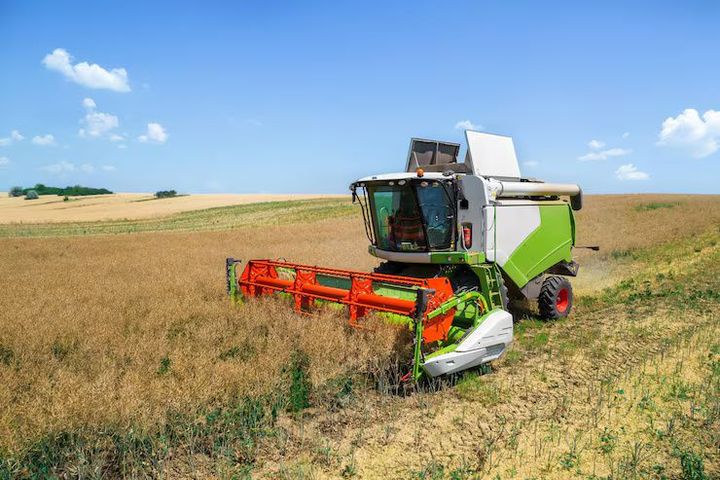
Combine harvesters are agricultural machines designed to perform multiple harvesting tasks in a single operation.
The name "combine" comes from the machine's ability to combine reaping, threshing, and grain cleaning into one process. Before the development of these machines, harvesting often required several separate pieces of equipment and significant manual labor.
Modern combine harvester manufacturers continue to improve machine efficiency, productivity, and precision. Today, agricultural combine harvesters are used around the world for harvesting crops such as wheat, rice, barley, corn, soybeans, oats, and other grains.
The development of harvesting machinery was driven by the need to process larger agricultural areas more efficiently. As farms expanded and food demand increased, farmers required equipment capable of harvesting crops quickly while reducing grain losses.
Over time, technological improvements transformed simple harvesting machines into sophisticated systems equipped with sensors, digital monitoring tools, GPS guidance, and data collection capabilities. Smart combine harvester technology now plays an important role in modern agriculture by helping operators manage harvesting activities more effectively.
The evolution of grain harvesting equipment suppliers and agricultural machinery developers has contributed to a significant shift in how crops are harvested across both large commercial farms and medium-sized agricultural operations.
Importance
Supporting Food Production
Food production depends heavily on timely harvesting. Crops must be collected within specific periods to maintain quality and reduce losses caused by weather conditions or over-ripening.
Agricultural combine harvesters help farmers harvest large areas within limited timeframes, supporting efficient food production systems.
Improving Agricultural Efficiency
Traditional harvesting methods often require multiple stages and significant labor resources.
Modern combine harvesters perform several harvesting functions simultaneously, helping reduce the time required to complete field operations.
Reducing Crop Losses
Harvesting delays can result in grain losses due to weather exposure, pests, or natural shedding.
Advanced harvesting technologies help improve grain collection efficiency and minimize unnecessary losses during harvesting operations.
Supporting Large-Scale Farming
Many agricultural regions operate large farms that cover hundreds or thousands of hectares.
Commercial combine harvesters allow farmers to manage extensive harvesting activities within practical time limits.
Enhancing Data Collection
Modern harvest management technology allows operators to collect information about crop yield, field conditions, and machine performance.
This information supports future planning and agricultural decision-making.
How Combine Harvesters Work
Cutting the Crop
The harvesting process begins with the header, located at the front of the machine.
The header cuts standing crops and directs them into the combine for processing.
Threshing
Threshing separates grain kernels from stalks and plant material.
This process occurs inside the machine using rotating components designed to remove grain efficiently while minimizing damage.
Separation
After threshing, grain and plant material move through separation systems.
The machine separates usable grain from straw and other crop residues.
Cleaning
Cleaning systems use airflow and sieves to remove remaining debris.
This step helps ensure that harvested grain is collected with minimal impurities.
Grain Storage
Clean grain is transferred into a storage tank within the combine.
Once the tank reaches capacity, grain can be unloaded into transport vehicles or storage facilities.
Main Types of Combine Harvesters
Different harvesting environments require different machine designs.
| Type | Primary Application |
|---|---|
| Conventional Combine | General grain harvesting |
| Rotary Combine | High-capacity harvesting operations |
| Walker Combine | Traditional grain separation method |
| Track Combine | Wet or soft soil conditions |
| Autonomous Combine | Semi-automated or automated operations |
| Compact Combine | Smaller agricultural operations |
Each machine type is designed to address specific harvesting conditions and operational requirements.
Key Components of Modern Harvesters
Header Systems
Headers are specialized attachments designed for different crops.
Common examples include:
- Grain headers
- Corn headers
- Rice harvesting headers
- Flexible crop headers
Grain Tank
The grain tank stores harvested grain temporarily before unloading.
Tank capacity varies depending on machine size and intended use.
Engine and Power Systems
Modern combine harvesters require substantial power to operate multiple harvesting functions simultaneously.
Engine performance directly influences harvesting productivity.
Straw Management Systems
Many machines include systems that distribute, chop, or process crop residue after harvesting.
These systems support soil management and field preparation activities.
Monitoring Displays
Digital displays provide information about machine performance, crop yield, fuel consumption, and harvesting efficiency.
These tools are increasingly common in smart combine harvester technology.
Importance of Smart Harvesting Technologies
GPS Guidance Systems
GPS technology helps operators maintain accurate harvesting paths.
This reduces overlap and improves field coverage efficiency.
Yield Monitoring
Yield monitoring systems collect information about crop production levels across different parts of a field.
This information helps farmers understand field performance variations.
Real-Time Data Collection
Modern harvest management technology allows machines to collect operational and agricultural data continuously.
Examples include:
- Yield measurements
- Grain moisture levels
- Machine performance indicators
- Field mapping information
Remote Monitoring
Some harvesting systems allow machine information to be viewed remotely through digital platforms.
This improves operational oversight and planning.
Recent Updates
Growth of Autonomous Combine Harvesters
One of the most significant developments in recent years is the expansion of autonomous combine harvesters.
These machines use advanced sensors, cameras, GPS systems, and software to assist with navigation and operational control.
Artificial Intelligence Integration
Artificial intelligence is increasingly used to analyze harvesting data and optimize machine settings.
AI-supported systems can help improve harvesting efficiency under varying field conditions.
Improved Connectivity
Modern combines often connect with farm management software and cloud-based platforms.
This enables data sharing between harvesting equipment and broader agricultural management systems.
Enhanced Sustainability Features
Many manufacturers are focusing on reducing fuel consumption and improving operational efficiency.
Environmental considerations have become an important factor in agricultural equipment development.
Precision Agriculture Integration
Advanced harvesting technologies are becoming closely integrated with precision agriculture systems.
This allows harvesting data to support planting, fertilization, irrigation, and crop management decisions.
Laws or Policies
Agricultural Machinery Safety Standards
Most countries establish safety standards for agricultural equipment.
These regulations address operator protection, machine operation, and workplace safety requirements.
Environmental Regulations
Agricultural machinery may be subject to environmental standards related to emissions and fuel efficiency.
Manufacturers must often comply with these requirements before equipment enters the market.
Operator Training Requirements
Some regions require training programs or certifications for operating large agricultural machinery.
Training helps reduce safety risks during harvesting operations.
Transportation Regulations
Combine harvesters frequently travel between agricultural fields and storage facilities.
Transportation laws may regulate machine dimensions, lighting systems, and roadway movement.
Agricultural Modernization Programs
Many governments support agricultural modernization through programs that encourage the adoption of advanced farming technologies.
These initiatives often contribute to increased use of modern harvesting equipment.
Tools and Resources
Farm Management Software
Farm management platforms help organize agricultural information, field records, and operational planning.
GPS Mapping Systems
GPS mapping tools support field navigation and harvesting accuracy.
Yield Monitoring Platforms
Yield analysis software helps farmers interpret crop production data collected during harvesting.
Weather Monitoring Resources
Weather information plays an important role in harvest planning.
Digital forecasting platforms assist farmers in scheduling harvesting activities.
Equipment Monitoring Systems
Machine monitoring platforms provide information about equipment performance and maintenance requirements.
Challenges and Considerations
Weather Dependency
Harvesting activities remain highly dependent on weather conditions.
Rain, excessive moisture, and storms can affect harvesting schedules.
Equipment Complexity
Modern combine harvesters contain sophisticated mechanical and electronic systems.
Operators often require technical knowledge to manage these systems effectively.
Field Variability
Different crops, soil conditions, and field layouts can influence harvesting performance.
Machine settings often need adjustment to match specific conditions.
Data Management
Smart harvesting technologies generate large amounts of information.
Proper data management helps farmers convert this information into useful insights.
FAQs
What do combine harvester manufacturers focus on when developing new machines?
Combine harvester manufacturers often focus on improving harvesting efficiency, operator safety, automation capabilities, fuel efficiency, and data collection features.
How do agricultural combine harvesters work?
Agricultural combine harvesters perform three major functions in one machine: cutting crops, separating grain from plant material, and cleaning harvested grain before storage.
What is smart combine harvester technology?
Smart combine harvester technology includes GPS guidance, yield monitoring, automated machine adjustments, digital displays, and data collection systems that support more precise harvesting operations.
What are autonomous combine harvesters?
Autonomous combine harvesters use sensors, cameras, positioning systems, and software to perform certain harvesting tasks with reduced operator involvement.
Why is harvest management technology important?
Harvest management technology helps farmers monitor crop performance, improve harvesting efficiency, analyze field data, and support future agricultural planning.
Conclusion
Combine harvesters have transformed agricultural harvesting by combining multiple operations into a single machine. Modern agricultural combine harvesters play a central role in supporting efficient food production and large-scale farming activities. Innovations such as smart combine harvester technology, autonomous combine harvesters, and advanced harvesting technologies continue to expand the capabilities of modern harvesting equipment. As agriculture becomes increasingly data-driven, harvesting systems are expected to remain an important part of modern farm management and crop production.