Industrial polishing machines are specialized equipment used to smooth, refine, and enhance the surface finish of materials such as metals, plastics, composites, and certain ceramics. These machines remove small imperfections, scratches, or rough textures created during earlier manufacturing processes like cutting, casting, or grinding.
The purpose of polishing is not only visual improvement but also functional enhancement. A smoother surface can reduce friction, improve corrosion resistance, enhance coating adhesion, and extend component lifespan. In industries where precision and appearance are equally important, polishing machines play a critical role in final product preparation.
Industrial polishing equipment exists because manual polishing methods are time-consuming and inconsistent when applied to large production volumes. Machines provide controlled pressure, consistent speed, and repeatable finishing results, allowing manufacturers to maintain uniform quality across batches.
Today, polishing machines are used in sectors such as automotive manufacturing, aerospace components, electronics production, metal fabrication, medical device manufacturing, and consumer product finishing.
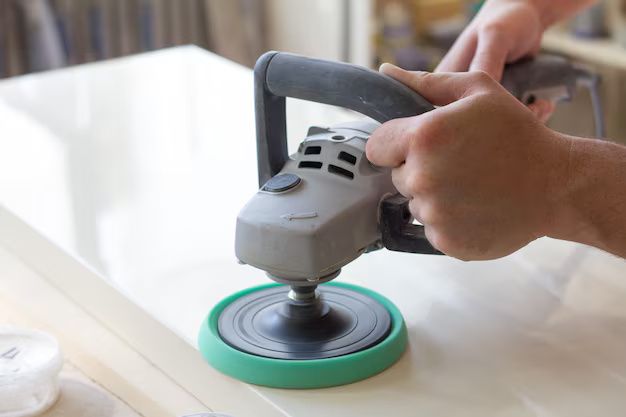
Importance: Why Industrial Polishing Machines Matter Today
Industrial polishing machines have become essential in modern manufacturing due to increasing quality expectations and stricter product performance standards.
Why this topic matters today
-
Surface quality requirements: Modern products require smooth surfaces for performance, safety, and durability.
-
Precision manufacturing: Even microscopic surface irregularities can affect mechanical performance.
-
Product appearance: Polished surfaces contribute to aesthetic value in consumer products.
-
Operational efficiency: Automated polishing reduces manual labor and increases production consistency.
-
Material performance: Improved surface finishing can enhance corrosion resistance and fatigue strength.
These machines affect a wide range of professionals, including production engineers, quality inspectors, manufacturing planners, maintenance technicians, and industrial designers. They help solve common manufacturing challenges such as inconsistent finishes, surface defects, excessive friction, and coating adhesion problems.
In industries such as automotive parts manufacturing or aerospace component production, polishing quality can directly influence reliability and safety.
Recent Updates: Trends and Developments (2024–2025)
Over the past year, industrial polishing machines have continued to evolve with improvements in automation, energy efficiency, and finishing accuracy.
| Year | Development or Trend | Industrial Impact |
|---|---|---|
| 2024 | Expansion of automated polishing systems | Improved consistency in large-scale production |
| 2024 | Advanced abrasive materials | Faster finishing and improved surface quality |
| 2025 | Integration of robotic polishing arms | Reduced operator workload and higher precision |
| 2025 | Smart monitoring sensors | Real-time control of pressure and surface finish |
Recent manufacturing reports in 2024 also highlighted the use of AI-assisted surface inspection, where cameras detect polishing defects early in the process. This reduces scrap rates and improves quality assurance.
Another trend is the development of environmentally friendly polishing compounds and water-efficient finishing systems that minimize waste and environmental impact.
Laws or Policies: Regulations Affecting Industrial Polishing Equipment
Industrial polishing machines operate under safety, environmental, and workplace regulations that vary by country but share similar goals.
Key regulatory influences include:
-
Workplace safety regulations: Ensure proper machine guarding, ventilation, and protective equipment.
-
Environmental protection laws: Control emissions of polishing dust and chemical compounds.
-
Occupational health guidelines: Address exposure to airborne particles generated during polishing processes.
-
Industrial equipment standards: Require emergency stop systems, electrical safety compliance, and maintenance documentation.
In many countries, government workplace safety agencies require manufacturers to install dust collection systems and maintain proper ventilation when operating polishing equipment. Environmental authorities may also regulate the disposal of used polishing compounds or slurry produced during wet polishing.
These policies help ensure that polishing processes remain safe for workers and environmentally responsible.
Tools and Resources for Better Understanding
A variety of tools and resources support the operation and study of industrial polishing machines.
Technical tools and equipment
-
Surface roughness measurement instruments
-
Abrasive selection charts
-
Polishing pressure and speed calculation guides
-
Inspection microscopes for surface analysis
-
Maintenance diagnostic tools for machine performance
Learning resources
-
Manufacturing engineering textbooks on surface finishing
-
Industrial finishing handbooks
-
Technical journals covering metal finishing technologies
-
Training manuals for polishing equipment operation
-
Industry association publications on surface engineering
Reference materials
-
Surface finish classification charts
-
Material compatibility guides for polishing compounds
-
Process optimization templates
-
Quality inspection checklists
These resources help engineers and technicians understand how polishing parameters influence surface quality and production efficiency.
Frequently Asked Questions
What is the main purpose of an industrial polishing machine?
Its main purpose is to improve the smoothness and finish of material surfaces by removing small imperfections and refining texture.
Which materials can be polished using industrial machines?
Common materials include steel, aluminum, stainless steel, plastics, composites, and certain ceramics.
Why is surface polishing important in manufacturing?
A polished surface improves durability, reduces friction, enhances appearance, and supports coating or plating processes.
How is polishing quality evaluated?
Quality is typically measured using surface roughness testing, visual inspection, and dimensional analysis.
Can polishing machines be automated?
Yes. Many modern systems integrate robotics and digital controls to maintain consistent pressure, speed, and finishing patterns.
Conclusion
Industrial polishing machines are a critical part of modern manufacturing, transforming rough or imperfect surfaces into smooth, functional finishes. By improving both appearance and performance, these machines support industries that rely on precision, durability, and consistent product quality.
As manufacturing technologies advance, polishing machines continue to evolve with automation, smarter monitoring systems, and environmentally responsible finishing methods. Understanding their role, operation, and regulatory context helps engineers, technicians, and learners appreciate the importance of surface finishing in modern production processes.