Comprehensive Guide to Industrial Polishing Machines: Learn Basics, Insights, Suggestions, and Key Facts
Industrial polishing machines are mechanical systems designed to smooth, refine, or enhance the surface of materials such as metal, stone, plastic, or glass. These machines play an important role in manufacturing and finishing processes where surface quality affects the appearance, durability, and performance of a product. Industries including automotive production, metal fabrication, construction materials, and electronics manufacturing rely on polishing equipment to achieve consistent surface finishes.
The concept of polishing has existed for centuries. Historically, craftsmen polished surfaces manually using abrasive materials such as sand, cloth, or stones. As industrial production expanded during the twentieth century, machines were developed to automate the polishing process. Industrial polishing machines improved efficiency by allowing continuous surface finishing with controlled pressure, speed, and abrasive materials.
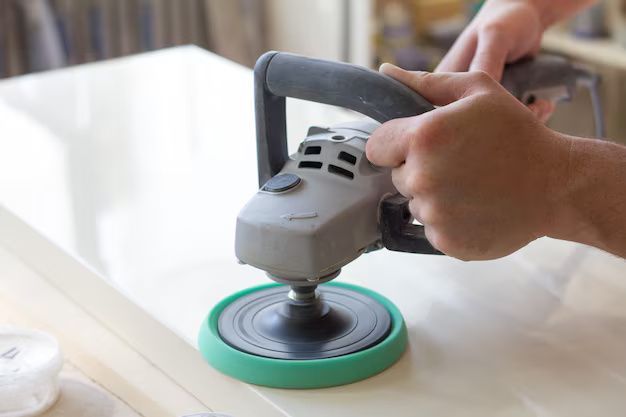
Today, industrial polishing machines are widely used in both small workshops and large manufacturing facilities. Modern machines integrate motors, rotating polishing heads, abrasive belts or pads, and control systems that regulate speed and pressure. These components work together to produce smooth surfaces and remove scratches, oxidation, or irregularities.
Understanding how industrial polishing machines function helps readers recognize their role in modern manufacturing processes and everyday products.
Importance
Surface finishing is a critical stage in many industrial processes. Industrial polishing machines help achieve consistent surface texture, which influences both product functionality and appearance.
For example, metal components used in vehicles or machinery require smooth surfaces to reduce friction and wear. Similarly, polished stainless steel surfaces are commonly used in medical equipment because smoother surfaces can support easier cleaning and hygiene management.
Industrial polishing machines contribute to several practical outcomes:
- Surface consistency: Machines maintain uniform polishing pressure and speed, resulting in consistent finishes across large batches of materials.
- Improved durability: Polished surfaces often experience reduced corrosion or wear, which supports longer material lifespan.
- Enhanced appearance: Many products, such as kitchen appliances or decorative metal panels, rely on polished finishes for visual appeal.
- Production efficiency: Automated polishing processes help manufacturers process large volumes of components within controlled timeframes.
The impact of industrial polishing machines extends beyond manufacturing facilities. Everyday items such as metal furniture, construction fixtures, electronic device housings, and vehicle parts often undergo polishing processes before reaching consumers.
Because of this widespread use, knowledge about industrial polishing machines helps readers understand how finished products achieve their final appearance and performance characteristics.
Recent Updates
Between 2024 and 2026, industrial surface finishing technology has continued to evolve with a focus on automation, digital monitoring, and environmental considerations.
One noticeable trend is the integration of automated polishing systems within production lines. Robotic arms and programmable polishing machines can follow predefined surface paths, allowing manufacturers to maintain consistent finishing quality while reducing manual handling.
Another development involves digital monitoring systems. Sensors and control software allow operators to monitor polishing pressure, speed, and abrasive wear. These systems can help detect irregular polishing patterns and maintain stable surface quality across production batches.
Environmental considerations have also influenced polishing technology. Manufacturers increasingly explore polishing methods that minimize dust, reduce abrasive waste, and manage cooling fluids more efficiently.
Several developments currently shaping industrial polishing machines include:
- Robotic polishing arms capable of handling complex surfaces
- Automated pressure control systems that regulate polishing force
- Digital monitoring software that tracks machine performance
- Dust collection systems that improve workplace air quality
- Energy-efficient motors designed to reduce power consumption
These developments reflect broader trends across manufacturing industries that emphasize automation, precision, and sustainability.
Laws or Policies
Industrial equipment, including industrial polishing machines, is subject to regulations designed to protect workers, maintain environmental standards, and ensure equipment safety.
In India, manufacturing environments typically operate under guidelines established by regulatory bodies such as the Bureau of Indian Standards, which publishes technical standards for industrial equipment and mechanical systems.
Workplace safety regulations are also influenced by the Factories Act, 1948, which outlines responsibilities related to machinery safety, worker protection, and industrial workplace conditions. Facilities operating polishing equipment must follow safety procedures related to machine guarding, ventilation, and operational training.
Environmental guidelines may also affect polishing operations, particularly when abrasive dust or cooling fluids are involved. These regulations are often guided by environmental monitoring authorities such as the Central Pollution Control Board, which establishes pollution control standards for industrial facilities.
Common regulatory considerations related to industrial polishing machines include:
- Machine safety standards: Protective guards, emergency stop systems, and operator safety protocols.
- Workplace ventilation requirements: Control of airborne dust particles generated during polishing.
- Waste management guidelines: Handling of polishing residues, abrasive materials, and fluids.
- Equipment certification standards: Mechanical and electrical safety verification.
These policies help maintain safe working environments while ensuring that industrial polishing activities meet environmental and safety requirements.
Tools and Resources
Various tools and informational resources support individuals and organizations working with industrial polishing machines. These resources provide technical knowledge, safety guidance, and process monitoring support.
Technical Reference Materials
Technical manuals and industry publications often provide guidance on machine setup, abrasive selection, and polishing techniques. Engineering organizations frequently publish reference documents explaining surface finishing processes and polishing technologies.
Educational institutions and mechanical engineering departments also publish research studies describing polishing performance, material properties, and surface finishing techniques.
Digital Monitoring and Design Platforms
Manufacturing facilities often use digital tools to monitor polishing operations and evaluate surface quality. Common tools include:
- Computer-aided design software: Platforms such as AutoCAD help engineers design components that later undergo polishing processes.
- Manufacturing simulation software: Programs like SolidWorks allow engineers to visualize mechanical components before manufacturing.
- Industrial monitoring systems: Software integrated with polishing machines can track motor speed, polishing pressure, and equipment performance.
These tools help engineers and technicians maintain consistent polishing results while monitoring machine conditions.
Surface Measurement Instruments
Quality control often involves measuring the smoothness of polished surfaces. Specialized instruments help assess surface roughness levels.
Common measurement tools include:
- Surface roughness testers that evaluate microscopic texture variations.
- Optical inspection devices used to examine reflective surfaces.
- Digital measurement systems that record polishing consistency across batches.
These instruments help maintain standardized polishing results across industrial production processes.
Example Surface Roughness Categories
Surface finishing results are often categorized by roughness levels measured in micrometers (µm). The following table illustrates typical classifications.
| Surface Finish Category | Roughness Range (Ra µm) | Common Applications |
|---|---|---|
| Rough Finish | 3.2 – 6.3 µm | Structural components |
| Semi-Smooth Finish | 1.6 – 3.2 µm | Mechanical parts |
| Smooth Finish | 0.8 – 1.6 µm | Decorative metal panels |
| Fine Polished Finish | 0.2 – 0.8 µm | Precision components |
| Mirror-like Finish | < 0.2 µm | Optical and reflective surfaces |
These categories illustrate how polishing processes affect the final surface texture of industrial components.
FAQs
What are industrial polishing machines used for?
Industrial polishing machines are used to smooth and refine material surfaces. They remove scratches, oxidation, and surface irregularities from materials such as metal, stone, plastic, and glass. These machines are widely used in manufacturing environments to produce consistent surface finishes.
How do industrial polishing machines work?
Industrial polishing machines operate using rotating polishing pads, abrasive belts, or polishing wheels. A motor drives the polishing tool while pressure is applied to the material surface. Abrasive materials gradually remove microscopic surface layers until the desired finish is achieved.
What materials can industrial polishing machines process?
Industrial polishing machines can process many materials, including stainless steel, aluminum, brass, copper, stone, and certain plastics. The polishing method and abrasive material vary depending on the hardness and surface properties of the material.
What industries use industrial polishing machines?
Many industries rely on industrial polishing machines for surface finishing. Examples include automotive manufacturing, metal fabrication, construction materials production, electronics manufacturing, and medical equipment manufacturing.
What factors affect polishing quality in industrial polishing machines?
Several factors influence polishing quality, including polishing speed, abrasive type, applied pressure, and material hardness. Proper alignment and maintenance of machine components also help maintain consistent surface finishes.
Conclusion
Industrial polishing machines play a significant role in modern manufacturing by refining surfaces and improving the appearance and functionality of materials. These machines evolved from traditional manual polishing methods into advanced mechanical systems used across many industries.
Recent developments in automation, digital monitoring, and environmental management continue to shape polishing technology. Regulations and safety standards help ensure that polishing operations protect both workers and the environment.
Understanding the principles behind industrial polishing machines helps readers recognize how surface finishing processes contribute to the quality and durability of everyday products.