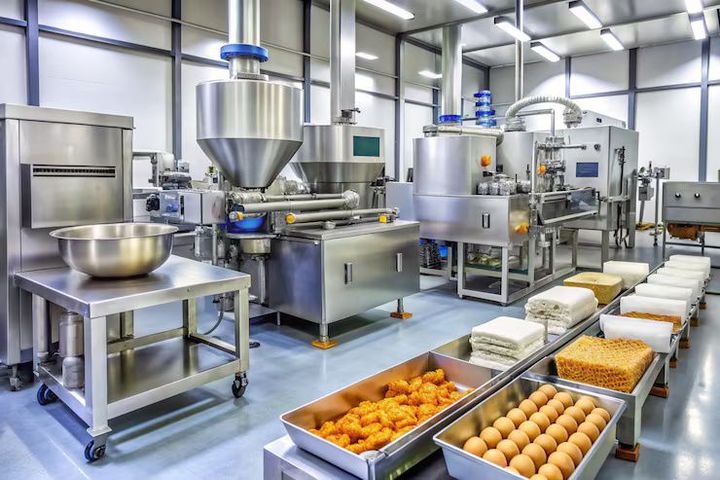
Confectionery Machinery Information and Industry Insights
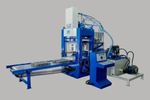
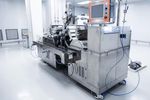
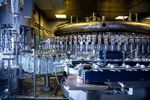
Confectionery machinery plays an essential role in producing chocolates, candies, gummies, toffees, biscuits, chewing gum, and other sweet food products. These machines help manufacturers prepare ingredients, shape products, apply coatings, package finished items, and maintain consistent production quality. Modern confectionery machinery combines precision engineering with automation to improve efficiency and maintain food safety standards.
As consumer demand continues to grow for a wide variety of confectionery products, manufacturers are adopting advanced equipment to improve productivity and product consistency. Confectionery machinery information helps manufacturers, food engineers, students, quality professionals, and industry observers understand how modern production systems operate. Industry insights also highlight technological developments, regulatory requirements, and manufacturing practices shaping the confectionery sector.
Context
Confectionery machinery refers to specialized equipment used throughout the production process of sweets and confectionery products. Different machines perform specific tasks such as mixing ingredients, cooking sugar syrups, depositing chocolate, molding candies, cooling products, coating finished items, and packaging them for distribution.
The confectionery industry has evolved from manual production methods to highly automated manufacturing systems capable of producing large quantities while maintaining consistent quality. Modern machinery supports various product categories including hard candy, soft candy, caramel, chocolate bars, gummies, marshmallows, chewing gum, and filled confectionery products.
Common Types of Confectionery Machinery
Different machines are designed for different production stages.
| Machinery Type | Primary Function | Typical Products |
|---|---|---|
| Mixing Machine | Blends ingredients | Chocolate, candy mixtures |
| Cooking System | Heats sugar mixtures | Hard candy, caramel |
| Depositing Machine | Forms liquid products into molds | Gummies, chocolates |
| Cooling Tunnel | Reduces product temperature | Chocolate, candy |
| Coating Machine | Applies chocolate or sugar coating | Nuts, biscuits, candies |
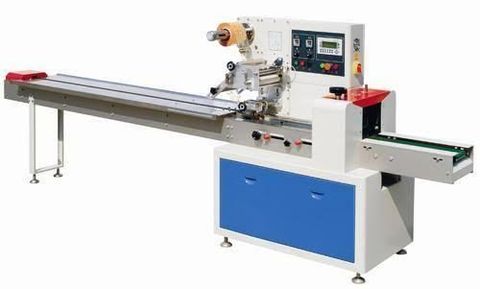
| Packaging Machine | Packs finished products | Various confectionery items |
The purpose of confectionery machinery is to improve production consistency, reduce manual handling, support hygiene standards, and produce products that meet quality expectations.
Importance
Confectionery machinery is an important part of the food manufacturing industry. Efficient equipment helps manufacturers maintain product quality while supporting safe and standardized production processes.
The industry benefits a wide range of participants, including:
- Food manufacturers
- Equipment manufacturers
- Quality assurance professionals
- Food engineers
- Packaging specialists
- Research and development teams
Modern confectionery machinery contributes to several operational improvements:
- Consistent product size and shape
- Better production efficiency
- Improved food safety practices
- Reduced ingredient waste
- Accurate temperature control
- Enhanced packaging consistency
Automation also helps manufacturers monitor production parameters and maintain repeatable manufacturing processes across different product lines.
Recent Updates
Between 2024 and 2026, confectionery machinery has continued to advance through automation, digital monitoring, and energy-efficient technologies. Manufacturers are increasingly adopting intelligent production systems that improve operational visibility and quality management.
Industry Trends from 2024–2026
Several important developments include:
- Increased use of robotic handling systems.
- Greater adoption of automated inspection using machine vision.
- Expansion of Industry 4.0 technologies in food manufacturing.
- Improved energy-efficient heating and cooling equipment.
- Advanced recipe management through digital control systems.
- Enhanced cleaning systems designed for improved hygiene.
- Greater use of predictive maintenance through sensor technology.
- Improved traceability using digital production records.
Manufacturers are also investing in flexible machinery capable of producing multiple confectionery products with shorter production changeovers. Sustainability initiatives have encouraged equipment designs that reduce energy consumption and minimize production waste.
Laws or Policies
Confectionery machinery must operate within food safety regulations established by national authorities and international organizations. These regulations help protect consumers by ensuring hygienic production environments and consistent manufacturing practices.
Important regulatory areas include:
- Food safety regulations
- Machinery safety standards
- Workplace health and safety requirements
- Environmental protection regulations
- Food labeling requirements
- Manufacturing hygiene guidelines
Common quality management frameworks include:
- ISO 22000 Food Safety Management
- HACCP (Hazard Analysis and Critical Control Points)
- Good Manufacturing Practices (GMP)
Manufacturers are generally required to maintain equipment sanitation procedures, production records, maintenance documentation, and quality inspections. Food contact materials used in confectionery machinery must also comply with applicable food safety requirements.
Environmental policies increasingly encourage responsible water use, improved energy efficiency, waste reduction, and sustainable manufacturing practices within food processing facilities.
Tools and Resources
Various technical resources support professionals working with confectionery machinery and food manufacturing processes.
Useful resources include:
- National food safety authority websites
- Food manufacturing standards databases
- Equipment maintenance manuals
- Production planning software
- HACCP documentation templates
- Manufacturing quality checklists
- Process monitoring platforms
- Food engineering publications
- Industry association resources
Several digital tools also assist with production management, including:
- Production scheduling software
- Temperature monitoring systems
- Batch record templates
- Equipment maintenance trackers
- Inventory management platforms
- Packaging specification documents
These resources help improve production efficiency, regulatory compliance, equipment maintenance, and product consistency throughout the manufacturing process.
FAQs
What is confectionery machinery?
Confectionery machinery consists of specialized equipment used to produce chocolates, candies, gummies, toffees, chewing gum, biscuits, and other confectionery products through automated or semi-automated manufacturing processes.
What types of products are manufactured using confectionery machinery?
The equipment can produce chocolate products, hard candies, soft candies, caramel, gummies, marshmallows, chewing gum, coated snacks, and other confectionery items.
Why is automation important in confectionery manufacturing?
Automation helps maintain consistent product quality, improves production efficiency, supports food safety practices, reduces manual handling, and enhances process monitoring.
What quality standards are commonly followed in confectionery production?
Many manufacturers implement HACCP principles, Good Manufacturing Practices (GMP), and ISO 22000 food safety management systems to support product quality and food safety.
How has confectionery machinery changed between 2024 and 2026?
Recent developments include increased automation, robotic handling, machine vision inspection, digital production monitoring, predictive maintenance, and improved energy-efficient manufacturing equipment.
Conclusion
Confectionery machinery plays a central role in modern food manufacturing by supporting the efficient production of chocolates, candies, gummies, and many other confectionery products. Advances in automation, digital monitoring, and food safety technologies continue to improve manufacturing processes between 2024 and 2026. Regulatory compliance, quality management, and sustainable production practices remain important priorities across the industry. Understanding confectionery machinery information and industry insights provides valuable knowledge of how modern confectionery production continues to evolve.