Deburring Machines Guide: Types, Uses, Benefits, and Working Principles
Deburring machines are industrial machines designed to remove unwanted burrs, sharp edges, rough surfaces, and small imperfections created during manufacturing processes such as cutting, drilling, milling, punching, laser cutting, or machining. Burrs are tiny pieces of material that remain attached to a workpiece after production. Although they may appear insignificant, they can affect product quality, safety, assembly, and overall performance.
Modern manufacturing industries demand components with smooth finishes and accurate dimensions. Deburring machines help manufacturers achieve consistent surface quality while improving production efficiency. These machines are commonly used for processing metal, plastic, composite materials, and even certain wooden components.
Industries such as automotive manufacturing, aerospace engineering, medical device production, electronics manufacturing, industrial equipment production, precision engineering, and heavy machinery rely on deburring technology to maintain high-quality standards.
Unlike manual finishing methods, automated deburring machines provide greater consistency, improved precision, and better repeatability across large production volumes. As manufacturing continues to adopt automation and digital technologies, deburring equipment has become an important part of modern production systems.
Importance
Deburring machines play a significant role in maintaining manufacturing quality and improving workplace safety. Even a small burr can interfere with assembly, reduce product lifespan, or create safety concerns during handling.
Better Product Quality
Smooth edges improve the appearance and functionality of manufactured components. Proper finishing helps parts fit together accurately during assembly.
Improved Safety
Sharp edges can increase the risk of injuries during manufacturing, transportation, maintenance, and product use. Deburring reduces these risks by creating smoother surfaces.
Increased Manufacturing Efficiency
Automated deburring machines process large numbers of parts consistently, reducing manual effort while improving production speed.
Enhanced Equipment Performance
Properly finished components often perform more reliably in mechanical systems where precision is important.
Longer Component Life
Removing burrs helps reduce unnecessary friction and wear between moving parts, contributing to improved durability.
Wide Industrial Applications
Deburring technology supports numerous industries, including:
- Automotive manufacturing
- Aerospace engineering
- Medical equipment manufacturing
- Electronics production
- Industrial machinery
- Sheet metal fabrication
- Precision machining
- Energy equipment manufacturing
- Construction equipment production
- Metal fabrication industries
Because manufacturing quality standards continue to rise globally, deburring machines remain an important investment in production efficiency and quality control.
Types of Deburring Machines
Different manufacturing processes require different deburring methods. Several machine types are available depending on material, production volume, and surface finish requirements.
Manual Deburring Machines
These machines assist operators in removing burrs from individual parts. They are commonly used for low-volume production and specialized applications.
Rotary Brush Deburring Machines
Rotating brushes remove sharp edges while maintaining the original dimensions of the workpiece. These machines are suitable for delicate finishing tasks.
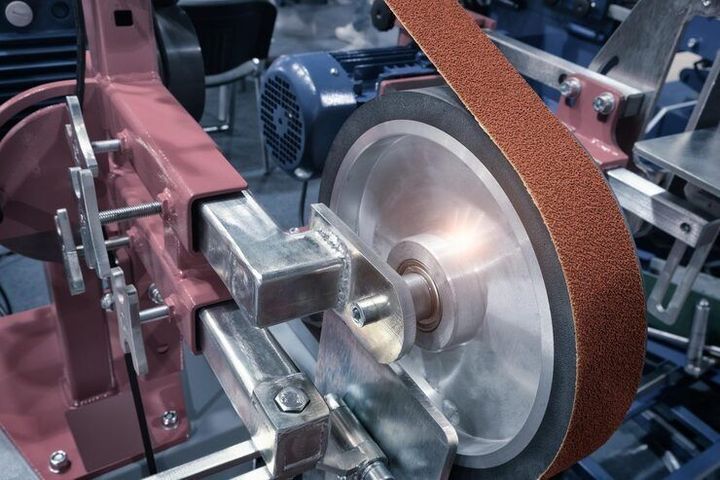
Belt Deburring Machines
Abrasive belts smooth surfaces while removing burrs from flat metal sheets and fabricated components.
Vibratory Deburring Machines
These systems place components inside vibrating chambers filled with finishing media. The continuous movement removes burrs while polishing surfaces.
Centrifugal Disc Deburring Machines
High-speed rotating discs create rapid finishing action, making them suitable for smaller precision components.
Magnetic Deburring Machines
Magnetic force moves abrasive media around metal parts to remove fine burrs from complex geometries.
Robotic Deburring Machines
Industrial robots equipped with deburring tools automatically process parts with high precision. These systems support automated manufacturing environments.
CNC Deburring Machines
Computer-controlled machines perform highly accurate deburring operations on precision-engineered components while maintaining consistent quality.
Working Principles
Although machine designs vary, most deburring systems follow similar operating principles.
Burr Identification
The workpiece enters the machine after machining, cutting, or forming operations where burrs have developed.
Surface Contact
Abrasive brushes, belts, wheels, media, or cutting tools contact the workpiece surface.
Burr Removal
The finishing system removes excess material while preserving the desired dimensions of the component.
Edge Finishing
Sharp corners become smooth, creating safer and more functional components.
Surface Inspection
Many modern systems include automated inspection technologies that verify finishing quality before the part moves to the next production stage.
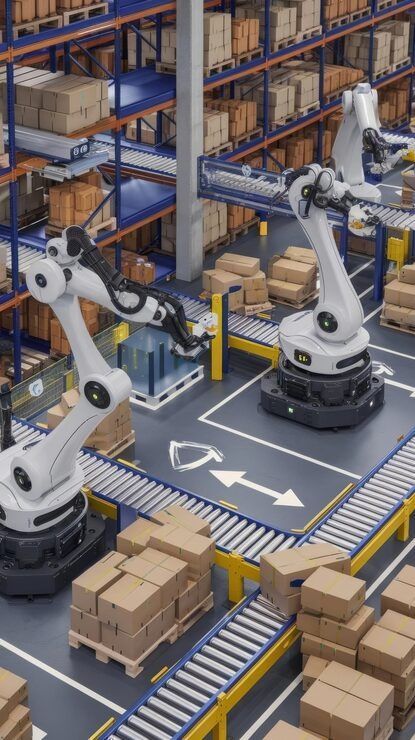
Advanced production facilities increasingly combine deburring equipment with automated material handling systems for continuous manufacturing operations.
Benefits of Deburring Machines
Modern deburring technology provides numerous operational and manufacturing advantages.
| Benefit | Description |
|---|---|
| Improved Surface Finish | Produces smoother and cleaner surfaces |
| Better Product Accuracy | Maintains precise component dimensions |
| Enhanced Safety | Removes hazardous sharp edges |
| Higher Productivity | Processes large quantities efficiently |
| Consistent Results | Reduces variation between components |
| Lower Material Waste | Removes only unwanted excess material |
| Better Assembly | Components fit together more accurately |
| Improved Product Reliability | Reduces wear caused by rough surfaces |
These advantages make deburring machines valuable across many industrial sectors where quality control and manufacturing efficiency are priorities.
Recent Updates
The deburring machine industry has continued evolving throughout 2025 and early 2026, driven by automation, digital manufacturing, and sustainability initiatives.
Several important developments include:
- Greater adoption of robotic deburring systems for precision manufacturing.
- Increased use of artificial intelligence to optimize machining parameters and improve finishing consistency.
- Expansion of automated inspection technologies using machine vision systems.
- Improved energy-efficient motors that reduce industrial power consumption.
- Integration with Industrial Internet of Things (IIoT) platforms for equipment monitoring and predictive maintenance.
- More compact machine designs suitable for flexible manufacturing environments.
- Advanced abrasive materials offering longer operational life and improved finishing quality.
- Growth in digital production monitoring for real-time process control.
Manufacturers are also focusing on environmentally responsible production by reducing waste generation and improving recycling practices within finishing operations.
Laws or Policies
The use of deburring machines is influenced by workplace safety regulations, industrial quality standards, and environmental guidelines. Requirements differ between countries, but several common principles apply.
Workplace Safety
Industrial facilities are generally expected to:
- Provide operator safety training.
- Maintain machine guarding systems.
- Use appropriate personal protective equipment.
- Follow machine maintenance procedures.
- Reduce workplace exposure to dust and noise where applicable.
Quality Standards
Many manufacturing industries follow recognized quality management systems that emphasize consistent production processes and documented quality control.
Environmental Requirements
Manufacturers increasingly focus on:
- Responsible waste management
- Dust collection systems
- Noise reduction
- Energy-efficient production
- Recycling of metal particles and abrasive materials
Industry Compliance
Industries such as aerospace, automotive, and medical manufacturing often require strict documentation and inspection procedures to ensure finished components meet technical specifications.
Organizations should always follow the regulations applicable within their country and industry sector.
Tools and Resources
Several resources can support professionals working with deburring processes and manufacturing quality.
Useful categories include:
- Surface finish measurement calculators
- Material removal estimation tools
- Industrial maintenance checklists
- Machine inspection templates
- Manufacturing process planning guides
- Quality control documentation templates
- Engineering learning materials
- Workplace safety training resources
- Production scheduling software
- Preventive maintenance planning systems
These resources help improve operational efficiency while supporting consistent manufacturing quality.
FAQs
What is a deburring machine?
A deburring machine removes burrs, sharp edges, and rough surfaces created during manufacturing processes, resulting in smoother and safer finished components.
Which industries commonly use deburring machines?
Automotive, aerospace, electronics, medical manufacturing, industrial equipment production, precision machining, metal fabrication, and heavy engineering industries frequently use deburring machines.
Why is deburring important?
Deburring improves safety, enhances product quality, supports accurate assembly, reduces wear, and helps maintain consistent manufacturing standards.
Can deburring machines process different materials?
Yes. Many machines are designed to process metals, plastics, composites, and certain non-metallic materials depending on the machine type and finishing method.
What technologies are influencing modern deburring machines?
Automation, robotics, artificial intelligence, machine vision, Industrial Internet of Things (IIoT), predictive maintenance, and energy-efficient systems are shaping the latest generation of deburring equipment.
Conclusion
Deburring machines have become an essential part of modern manufacturing by improving product quality, workplace safety, and production efficiency. Their ability to remove unwanted burrs and create smooth, accurate surfaces supports reliable assembly and long-term component performance across many industries.