Industrial Jig Boring Machines Guide: Types, Uses & Process
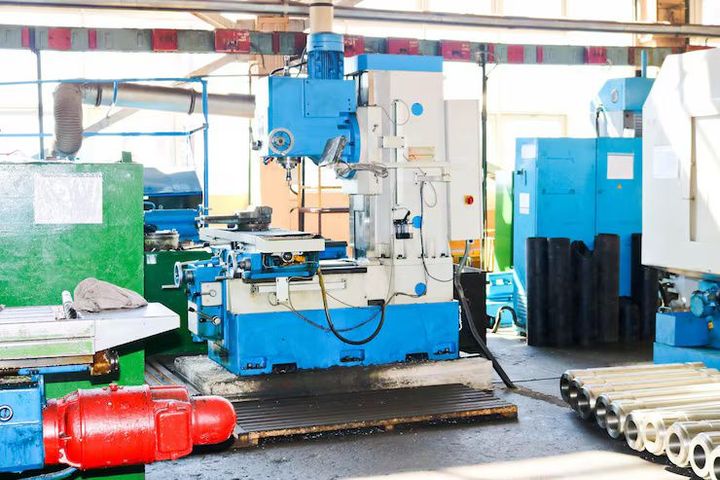
Industrial jig boring machines are precision machine tools designed to produce highly accurate holes with excellent dimensional consistency. They were developed to meet the growing demand for precision manufacturing where even the smallest measurement errors can affect the quality of finished components.
Unlike conventional drilling equipment, jig boring machines focus on achieving exceptional positioning accuracy. Their development became increasingly important as industries such as aerospace, automotive, medical equipment, electronics, and precision engineering required parts manufactured with extremely tight tolerances.
Modern manufacturing relies on precision at every stage of production. Components such as molds, dies, fixtures, gauges, and machine parts require perfectly aligned holes for proper assembly and long-term performance. Jig boring machines help manufacturers achieve these requirements while maintaining repeatable production quality.
With the advancement of digital manufacturing, many industrial jig boring machines now incorporate computer-based controls, advanced measurement systems, and automated positioning technologies that improve efficiency while maintaining high levels of precision.
Importance
Industrial jig boring machines continue to play an important role across multiple manufacturing industries because accuracy remains one of the most valuable aspects of modern production.
Their importance extends beyond simply creating holes. These machines help ensure that components fit together correctly, reduce assembly errors, improve product reliability, and minimize material waste.
Industries that commonly use jig boring machines include:
- Aerospace manufacturing
- Automotive engineering
- Tool and die manufacturing
- Medical equipment production
- Industrial machinery manufacturing
- Precision metalworking
- Defense manufacturing
- Research laboratories
- Educational engineering institutes
- Heavy equipment manufacturing
The technology helps solve several manufacturing challenges, including:
- Maintaining precise hole positioning
- Producing consistent components
- Improving dimensional accuracy
- Reducing machining errors
- Supporting high-quality inspection standards
- Increasing manufacturing efficiency
- Extending product reliability
- Supporting precision assembly processes
As manufacturing standards become more demanding, precision machining equipment remains an essential part of advanced industrial production.
Types of Industrial Jig Boring Machines
Different manufacturing applications require different machine configurations. The most common types include:
Vertical Jig Boring Machines
Vertical models position the spindle vertically above the workpiece.
They are widely used for:
- Tool room operations
- Mold manufacturing
- Die production
- Precision drilling
- Small and medium-sized components
These machines provide excellent visibility during machining and are suitable for highly detailed work.
Horizontal Jig Boring Machines
Horizontal jig boring machines position the spindle horizontally.
They are commonly used for:
- Large workpieces
- Heavy industrial components
- Complex machining operations
- Multiple surface machining
Their design allows easier machining of larger industrial parts.
CNC Jig Boring Machines
Computer Numerical Control (CNC) technology has significantly improved precision machining.
CNC jig boring machines provide:
- Automated positioning
- Digital programming
- Improved repeatability
- Reduced manual intervention
- Better production consistency
These machines are commonly integrated into advanced manufacturing environments.
Manual Jig Boring Machines
Manual machines continue to be useful for:
- Educational training
- Prototype development
- Repair work
- Small production batches
- Precision laboratory applications
Although they require skilled operators, they still provide excellent accuracy.
Working Process
The working process of an industrial jig boring machine follows a carefully controlled sequence designed to maximize precision.
Workpiece Preparation
The material is securely positioned using precision fixtures or clamps. Proper alignment is essential before machining begins.
Machine Calibration
Operators verify spindle alignment, table positioning, measurement systems, and machine accuracy before starting production.
Coordinate Setup
The desired hole locations are established using precision coordinate systems.
Modern machines often use digital positioning technologies for improved accuracy.
Tool Selection
Appropriate cutting tools are selected according to:
- Material type
- Hole diameter
- Required finish
- Production requirements
Precision Machining
The spindle rotates while gradually removing material.
Controlled feed rates ensure:
- Smooth cutting
- Accurate hole dimensions
- High surface quality
- Reduced vibration
Inspection
After machining, inspection equipment verifies:
- Hole diameter
- Hole location
- Surface finish
- Dimensional accuracy
- Geometric tolerance
Quality inspection ensures components meet manufacturing specifications.
Common Applications
Industrial jig boring machines support numerous manufacturing activities.
Major applications include:
- Mold manufacturing
- Die production
- Precision fixtures
- Machine tool components
- Aerospace assemblies
- Automotive engine parts
- Transmission components
- Hydraulic systems
- Medical instruments
- Industrial valves
- Semiconductor equipment
- Robotics components
- Inspection gauges
- Scientific instruments
These applications require precise hole positioning to ensure reliable assembly and operational performance.
Advantages
Several factors explain why jig boring machines remain valuable despite the availability of many machining technologies.
Key advantages include:
- Extremely high positional accuracy
- Excellent dimensional consistency
- Smooth surface finishes
- Reduced manufacturing errors
- Improved product quality
- Better repeatability
- Longer component life
- Support for complex machining
- Efficient precision manufacturing
- Compatibility with advanced quality control systems
These advantages make them suitable for industries where precision is critical.
Recent Updates
The precision machining industry has experienced several developments throughout 2025 and early 2026.
Manufacturers are increasingly integrating digital technologies into jig boring equipment. Computer-controlled systems continue improving positioning accuracy while simplifying machine operation.
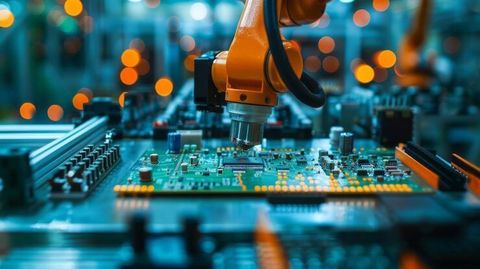
Several production facilities have expanded the use of automation, allowing jig boring machines to work alongside robotic material handling systems. This integration improves production efficiency while maintaining consistent machining quality.
Another noticeable trend during 2025 has been the growing use of digital inspection technologies. Coordinate measurement systems and advanced sensors are helping manufacturers verify machining accuracy with greater speed.
Industrial sustainability has also become more important. Many manufacturing facilities now focus on reducing energy consumption, improving coolant management, and minimizing material waste during precision machining.
The adoption of smart manufacturing practices continues to grow, with factories increasingly using machine monitoring systems that help identify maintenance needs before equipment performance declines.
These developments reflect the industry's ongoing focus on precision, efficiency, and digital manufacturing technologies.
Laws or Policies
Industrial jig boring machine operations are influenced by manufacturing regulations and workplace standards that vary by country.
Common regulatory areas include:
Workplace Safety
Manufacturing facilities are generally required to maintain safe machine operation practices, including:
- Operator safety procedures
- Emergency stopping systems
- Machine guarding
- Personal protective equipment
- Routine equipment inspection
Quality Standards
Many manufacturers follow internationally recognized quality management systems that emphasize:
- Process consistency
- Documentation
- Inspection procedures
- Continuous improvement
Environmental Requirements
Manufacturing operations may also follow environmental guidelines covering:
- Metal waste management
- Coolant handling
- Energy efficiency
- Industrial emissions
- Recycling practices
Technical Documentation
Industrial facilities typically maintain detailed production documentation for:
- Machine calibration
- Quality inspection
- Maintenance schedules
- Manufacturing records
Compliance with these frameworks supports safer production and consistent manufacturing quality.
Tools and Resources
Several general resources can help professionals understand jig boring technology and precision machining.
Useful resources include:
| Resource Type | Purpose |
|---|---|
| CAD software | Component design and drafting |
| CAM software | Machining process planning |
| CNC programming simulators | Learning machining operations |
| Engineering calculators | Speed, feed, and tolerance calculations |
| Digital measurement templates | Inspection planning |
| Technical manuals | Machine operation guidance |
| Manufacturing standards documents | Precision requirements |
| Engineering learning platforms | Skill development |
| Industrial maintenance checklists | Preventive maintenance planning |
| Quality inspection templates | Process documentation |
These resources support better understanding of precision manufacturing without requiring specialized expertise.
Frequently Asked Questions
What is an industrial jig boring machine?
An industrial jig boring machine is a precision machining tool designed to produce accurately positioned holes with very tight dimensional tolerances for manufacturing applications.
How is a jig boring machine different from a drilling machine?
A drilling machine primarily creates holes, while a jig boring machine focuses on achieving extremely accurate hole positioning, size, and alignment for precision engineering.
Which industries commonly use jig boring machines?
Industries such as aerospace, automotive, medical equipment, industrial machinery, mold manufacturing, and precision engineering frequently use jig boring machines.
What materials can jig boring machines process?
Depending on tooling and machine configuration, they can machine steel, aluminum, cast iron, brass, copper, titanium, engineering plastics, and other industrial materials.
Why is precision important in jig boring?
Accurate hole positioning improves component assembly, reduces manufacturing errors, enhances product reliability, and supports high-quality industrial production.
Conclusion
Industrial jig boring machines remain one of the most important precision machining technologies used in modern manufacturing. Their ability to produce highly accurate hole locations makes them essential for industries where even minor dimensional variations can affect performance and reliability.