Diesel Generator Set Rentals: Key Insights for Businesses and Construction Sites
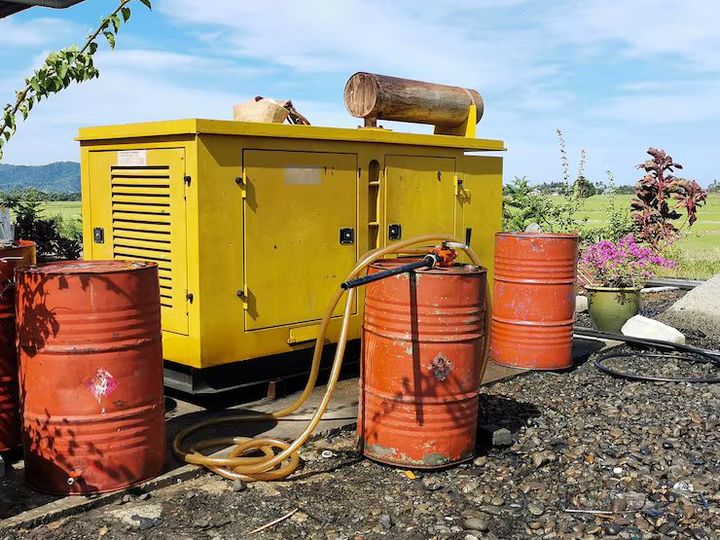
Diesel generator sets, often called diesel gensets, are machines designed to produce electricity using a diesel engine combined with an electrical generator. These systems convert mechanical energy from the engine into electrical power, making them an important solution when access to the main power grid is limited or unavailable.
Diesel generator set rentals provide temporary power solutions for industries that need reliable electricity for short-term or unpredictable situations. Businesses, construction sites, events, and emergency operations depend on these systems when grid power is unavailable or unstable .
A diesel generator set typically includes several essential components that work together to generate and regulate electricity efficiently.
Key Components of a Diesel Generator Set
- Diesel engine
- Alternator (generator)
- Fuel system
- Cooling and exhaust systems
- Voltage regulator
- Control panel
These components ensure stable electricity supply for tools, lighting, equipment, and operational facilities.
Industries That Use Diesel Generator Sets
Several industries rely heavily on diesel generators for temporary or backup power:
- Construction and infrastructure projects
- Manufacturing and industrial facilities
- Mining and energy operations
- Telecommunications infrastructure
- Healthcare facilities during emergencies
Their quick deployment capability makes them especially useful in remote or developing areas.
Why Diesel Generator Sets Matter for Modern Businesses
Reliable electricity is essential for maintaining productivity, safety, and operational continuity. Even short power interruptions can disrupt workflows and damage equipment. Diesel generator sets provide a dependable backup solution in such scenarios .
Power Needs on Construction Sites
Construction projects require electricity for a wide range of tasks, especially in early stages where grid access is limited.
- Powering heavy machinery and electric tools
- Operating lighting systems for night work
- Running site offices and communication systems
- Supporting welding equipment and compressors
Diesel generators allow construction activities to continue without delays.
Business Use Cases
Businesses use diesel generators in several situations:
- Planned maintenance in commercial buildings
- Emergency outages due to storms or failures
- Temporary expansion projects
- Industrial shutdowns and maintenance periods
Industries such as data centers, telecom networks, and hospitals rely on uninterrupted power for critical operations.
Advantages of Diesel Generators
- High reliability in demanding environments
- Long operating durations
- Strong fuel efficiency
- High load capacity for industrial equipment
These benefits make diesel generators a practical choice for large-scale temporary power needs.
Recent Updates and Industry Trends
The diesel generator industry has evolved significantly in 2024 and early 2025. A key trend is the integration of hybrid energy systems that combine diesel generators with renewable energy sources like solar and battery storage .
Smart Monitoring and Digital Integration
Modern generators now include advanced monitoring systems that provide real-time insights into performance.
- Fuel consumption tracking
- Engine temperature and pressure monitoring
- Power output analysis
- Maintenance alerts
These systems enable remote monitoring through cloud-based platforms.
Technological Improvements
Recent innovations in generator technology include:
- Noise reduction enclosures for urban environments
- Advanced fuel injection systems
- Remote diagnostics for early issue detection
- Integration with smart construction platforms
There is also increasing demand for low-emission generators that meet stricter environmental standards.
Regulations and Government Policies
Diesel generator usage is governed by environmental and safety regulations across different regions. These rules focus on emissions, noise control, and workplace safety .
Emission Standards
- Tier 4 standards (United States)
- Stage V regulations (European Union)
- National environmental guidelines in Asia
These standards limit pollutants such as nitrogen oxides (NOx) and particulate matter.
Operational Compliance Requirements
- Noise limits near residential areas
- Safe fuel storage practices
- Fire safety and ventilation standards
- Workplace machinery safety compliance
Environmental agencies may also require monitoring of fuel spills and proper waste disposal.
Tools and Resources for Generator Management
Managing diesel generator operations effectively requires the use of specialized tools and software. These tools help optimize performance and ensure proper maintenance.
Common Tools
- Power load calculators
- Generator sizing software
- Fuel monitoring applications
- Maintenance scheduling tools
- Remote monitoring dashboards
These tools help businesses plan and manage power usage efficiently.
Example: Equipment Power Requirements
| Equipment Type | Typical Power Requirement |
|---|---|
| Electric Drill | 600–800 Watts |
| Welding Machine | 3–5 kW |
| Construction Lighting | 1–2 kW |
| Air Compressor | 4–6 kW |
| Site Office Equipment | 1–3 kW |
Understanding these requirements helps in selecting the right generator capacity.
Additional Resources
- Engineering training platforms
- Equipment manuals
- Technical webinars
- Professional engineering associations
These resources provide guidance on best practices and efficient generator usage.
Frequently Asked Questions About Diesel Generator Sets
What is a diesel generator set?
A diesel generator set is a system that generates electricity using a diesel engine connected to a generator. It is commonly used where grid power is unavailable or unreliable .
Why are diesel generators used in construction?
Construction sites often lack permanent electrical infrastructure during early stages. Diesel generators provide the necessary power for equipment and operations.
How long can diesel generators run?
Diesel generators can operate for extended periods if properly maintained and supplied with fuel. Operating time depends on load and maintenance conditions.
What determines generator capacity?
Generator capacity depends on total electrical load, equipment requirements, operating hours, and future expansion needs.
Are diesel generators regulated?
Yes, they are subject to environmental and safety regulations related to emissions, noise, and fuel handling.
Power Demand Trends in Construction and Industry
Temporary power demand has increased due to global infrastructure development and industrial expansion .
Industry Usage Levels
| Industry Sector | Temporary Power Usage Level |
|---|---|
| Construction | High |
| Mining | High |
| Events and Exhibitions | Medium |
| Telecommunications | Medium |
| Disaster Response | High |
These industries rely on mobile power systems to operate effectively in remote or transitional environments.
Conclusion
Diesel generator sets are essential for providing reliable electricity in construction, industrial, and temporary settings. They support operations when grid power is unavailable and ensure continuity across critical activities .
Recent advancements such as hybrid systems, smart monitoring, and improved emission controls are shaping the future of generator technology. Regulations also play an important role in ensuring safe and environmentally responsible usage.
With the help of modern tools and resources, businesses can manage generator operations more efficiently. As global infrastructure continues to grow, diesel generators remain a key component of modern power solutions.