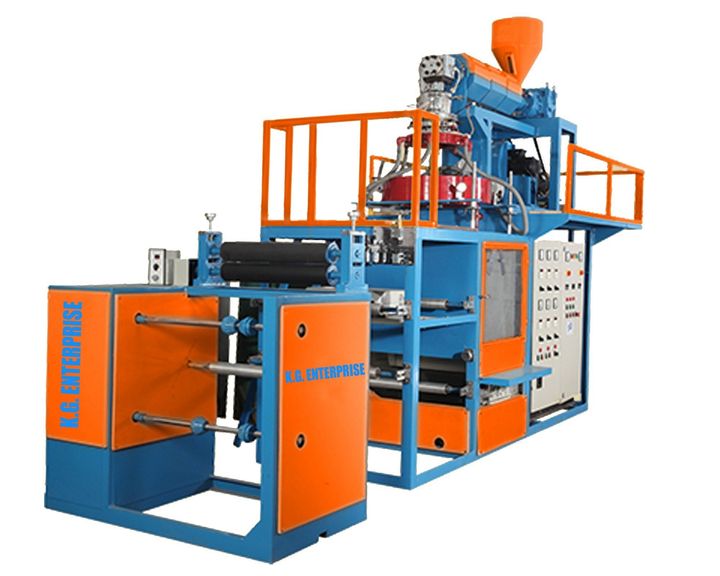
Discover PP Extrusion Machines: Important Facts, Features & Industrial Uses
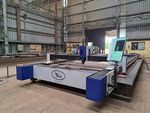
A PP extrusion machine is industrial equipment used to transform polypropylene resin into continuous plastic products such as sheets, pipes, films, profiles, and other shaped materials
It belongs to the wider category of plastic extrusion machinery, in which plastic is heated, mixed, pushed through a shaped opening, cooled, and cut or wound into a finished form.
Polypropylene, commonly called PP, is a thermoplastic polymer that can be softened by heat and processed repeatedly under controlled conditions. A polypropylene extrusion machine is therefore designed around controlled heating, melting, pressure, material flow, shaping, and cooling. Depending on the intended product, an extrusion system may contain a single screw extruder, twin screw extruder, die, cooling equipment, haul-off unit, cutter, winder, or pelletizing equipment.
The basic process begins when polypropylene pellets enter the feed section of a PP extruder machine. A rotating screw moves the material through heated barrel zones, where friction and controlled external heating help create a consistent melt. The molten polymer then passes through a die that determines the basic shape of the output.
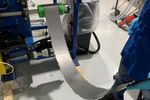
The technology has developed into several specialized forms. A PP sheet extrusion machine produces continuous sheets, while a PP pipe extrusion machine forms tubular products. A PP film extrusion machine is configured for thin films, and a PP profile extrusion machine creates continuous shapes with specific cross-sections. A PP pelletizing machine, by contrast, converts polymer strands or other processed material into pellets.
Importance
Plastic extrusion equipment matters because extrusion provides a continuous method for producing many types of plastic products. Instead of forming each item individually, an extrusion system can continuously shape molten polymer as long as material, heat, pressure, and cooling conditions remain controlled.
PP is used in numerous industrial applications because its properties can be suited to products requiring relatively low density, chemical resistance, stiffness, and heat resistance within appropriate operating ranges. The actual characteristics depend on the polymer grade, additives, processing conditions, and final product design.
A plastic extrusion machine can therefore support different production requirements through changes in screw design, die configuration, temperature settings, cooling arrangements, and downstream equipment. A complete PP extrusion line may include several coordinated machines rather than one standalone extruder.
Common applications include:
- Packaging films and sheets
- Pipes and tubing
- Industrial profiles
- Household and consumer products
- Automotive components
- Electrical and technical parts
- Agricultural products
- Construction-related plastic components
- Recycled and compounded polypropylene materials
The choice between a single screw extruder and twin screw extruder is particularly important. Single screw systems are commonly associated with straightforward melting and conveying, while twin screw systems can provide more extensive mixing and are widely used for compounding, additive incorporation, and processing formulations that require controlled dispersion.
Main machine types
Different plastic extrusion machinery configurations are used for different outputs. The following table provides a simplified overview.
| Machine type | Main function | Typical output |
|---|---|---|
| PP extruder machine | Melts and conveys polypropylene | Continuous plastic products |
| PP sheet extrusion machine | Forms flat sheets | PP sheets and boards |
| PP pipe extrusion machine | Forms tubular products | Pipes and tubes |
| PP film extrusion machine | Produces thin plastic film | Packaging and industrial films |
| PP profile extrusion machine | Produces shaped sections | Profiles and trims |
| PP pelletizing machine | Converts processed polymer into pellets | Polymer pellets |
| Twin screw extruder | Melting, mixing, and compounding | Modified PP compounds |
| Single screw extruder | Melting and conveying | Pipes, films, sheets, profiles |
| Plastic recycling extruder | Processes selected recycled plastic | Recycled pellets or strands |
Features and Operating Principles
A plastic extruder machine generally consists of several connected sections. Each part performs a specific role in moving polypropylene from solid pellets to a continuous formed product.
Feeding and conveying
The feeding system introduces polypropylene pellets or an appropriate feedstock into the extruder. Consistent feeding is important because fluctuations in material flow can influence output dimensions and process stability.
Inside the barrel, the screw conveys the material through different processing zones. Screw geometry affects how the polymer is transported, melted, mixed, and pressurized.
Heating and melting
The barrel is divided into temperature-controlled zones. The polymer gradually changes from solid pellets into a molten state. Temperature settings depend on the PP grade, equipment design, product requirements, and processing conditions.
The objective is not simply to heat the material but to create a stable melt with suitable flow characteristics. Excessive heat, inadequate heat, or unsuitable residence time can affect material quality.
Die shaping and cooling
After melting, the polymer is pushed through a die. The die opening determines the basic shape of the extrudate. A sheet die creates a broad flat output, whereas a pipe die produces a tubular form.
Cooling then helps the product retain its intended dimensions. Depending on the application, cooling may involve water tanks, air systems, chill rolls, or combinations of downstream equipment.
Automation and monitoring
Modern plastic extrusion production lines increasingly use sensors and control systems to monitor temperature, pressure, speed, feeding, and other process variables. Plastic extrusion automation can reduce the amount of manual adjustment required during normal operation while allowing operators to monitor process conditions.
Automated extrusion line configurations can also coordinate the extruder with downstream equipment. However, automation does not eliminate the need for appropriate setup, maintenance, material control, and quality checks.
Recent Updates
From 2024 through 2026, the general direction of extrusion technology has continued toward improved process monitoring, automation, material efficiency, recycling compatibility, and more controlled compounding.
One notable area is the development of extrusion systems capable of handling recycled polymers. A plastic recycling extrusion machine may be integrated into a recycling process in which sorted and prepared plastic is melted, filtered, homogenized, and converted into usable pellets or other forms. PP recycling extrusion machine configurations are increasingly relevant where manufacturers are incorporating recycled polypropylene into suitable applications.
Another development is greater attention to process data. Advanced plastic extrusion systems may use digital controls, sensors, automated temperature regulation, pressure monitoring, and production records. These features can help identify process changes and maintain consistent operating conditions.
Compounding is another active area. A PP compounding extruder can combine polypropylene with selected additives, fillers, pigments, stabilizers, or other compatible materials. Twin screw systems are commonly used when intensive mixing and controlled dispersion are required.
Energy management is also an important consideration. Modern industrial extrusion machine designs may incorporate improved heating controls, motor efficiency, insulation, and automated operation. Actual energy performance varies significantly according to machine size, product type, polymer grade, throughput, and operating conditions.
Laws or Policies
In India, plastic extrusion activities can be affected by environmental rules, product standards, waste-management requirements, and quality-control regulations. The Plastic Waste Management Rules, 2016, and subsequent amendments provide an important framework for plastic waste management. The 2024 amendment revised several provisions, including definitions relating to plastics, plastic packaging, importers, and plastic raw materials.
Extended Producer Responsibility, or EPR, is another relevant part of India's plastic-waste framework. CPCB guidance establishes obligations relating to plastic packaging, including recycling and the use of recycled plastic content for applicable categories. The requirements can vary according to packaging category and the entity's role in the supply chain.
Product standards may also matter when extruded products are intended for regulated applications. BIS maintains standards covering polypropylene materials for moulding and extrusion, including IS 10951:2020. BIS records also show amendments and regulatory changes associated with the relevant quality-control framework.
For businesses involved in extrusion, compliance therefore depends on the material, product, intended application, packaging use, waste-management responsibilities, and applicable Indian standards. Requirements should be checked against the current rules and standards rather than assumed to be identical for every PP product.
Tools and Resources
Several resources can help readers understand plastic extrusion processes and specifications.
Technical calculators and process references
Extrusion calculators can help estimate parameters such as output rate, screw speed, residence time, pressure relationships, and material throughput. These calculations are normally equipment- and material-specific, so their results should be interpreted within the manufacturer's machine specifications and polymer data.
Material technical data sheets are also useful. They commonly provide information about melt flow characteristics, density, thermal behavior, processing ranges, and other properties relevant to polypropylene extrusion.
Standards and regulatory databases
The Bureau of Indian Standards' Know Your Standard portal allows users to search Indian Standards by standard number or product keyword and review related documents and information.
For PP piping applications, BIS documentation includes standards and testing information for polypropylene pipe products. For example, IS 15801 covers polypropylene random copolymer pipes for hot and cold water supplies, with testing covering areas such as dimensions, hydraulic characteristics, impact strength, density, and melt flow rate.
Production planning resources
Extrusion-line layout templates, preventive-maintenance schedules, material traceability forms, production logs, and quality-control checklists can help organize an extrusion operation. These resources are particularly useful when an industrial extrusion line contains several coordinated stages.
FAQs
What is a PP extrusion machine?
A PP extrusion machine is equipment that melts and continuously shapes polypropylene through a die. Depending on its configuration, it can produce sheets, pipes, films, profiles, pellets, and other continuous plastic products.
How does a polypropylene extrusion machine work?
A polypropylene extrusion machine feeds PP pellets into a heated barrel, where a rotating screw conveys and melts the polymer. The molten material is then pushed through a die and cooled to form the required product.
What is the difference between a single screw extruder and a twin screw extruder?
A single screw extruder generally uses one rotating screw for conveying, melting, and shaping polymer. A twin screw extruder uses two screws and is often selected for applications requiring more intensive mixing or compounding.
What is a PP extrusion line?
A PP extrusion line is a coordinated group of machines used to manufacture a continuous polypropylene product. It may include a feeder, extruder, die, cooling system, haul-off equipment, cutter, winder, or pelletizing system depending on the application.
Can a plastic recycling extruder process polypropylene?
A plastic recycling extruder can process suitable prepared polypropylene waste when the feedstock, contamination level, material properties, filtration system, and machine configuration are compatible. Sorting and preparation are important because mixed or contaminated plastics can affect processing and final material quality.
Conclusion
PP extrusion machines convert polypropylene resin into continuous products through controlled feeding, heating, melting, shaping, and cooling. Different configurations, including single screw extruder, twin screw extruder, sheet, pipe, film, profile, recycling, and compounding systems, address different production requirements. Recent developments have emphasized automation, process monitoring, recycling compatibility, compounding, and energy management. In India, extrusion-related activities can also be influenced by plastic-waste rules, EPR requirements, and applicable BIS standards.