Dovetail Machines Guide: Complete Overview, Basics, and Practical Insights for Beginners
Dovetail machines are specialized woodworking machines designed to create dovetail joints—one of the strongest and most reliable joints used in furniture making and cabinetry. These joints are recognized for their interlocking wedge-shaped design, which provides both strength and aesthetic appeal.
Dovetail joints date back centuries and were traditionally crafted by hand using chisels and saws. Over time, woodworking evolved into a precision-driven industry, leading to the development of dovetail machines that automate the process.
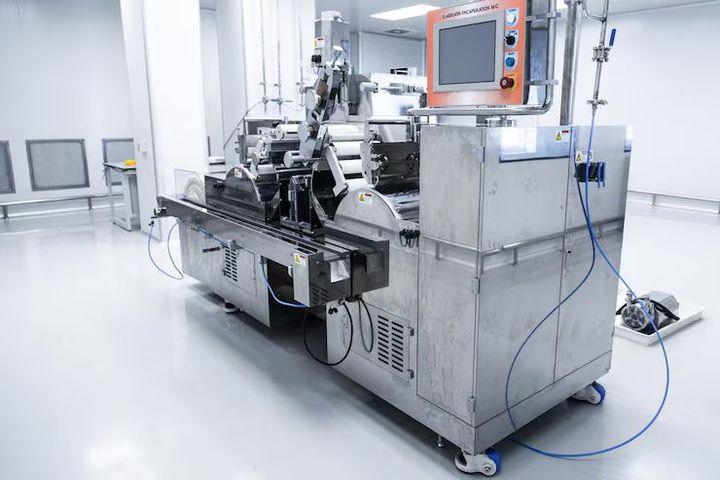
These machines improve consistency, reduce manual effort, and increase production efficiency. They are widely used in modern woodworking environments, from small workshops to industrial manufacturing units.
Common Applications
Dovetail machines are commonly used in:
- Furniture manufacturing
- Cabinet making
- Drawer construction
- Wooden box production
- Custom woodworking projects
Types of Dovetail Machines
Different machine types support varying production needs:
- Manual dovetail jigs attached to routers
- Semi-automatic dovetail machines
- Fully automatic CNC dovetail machines
Importance
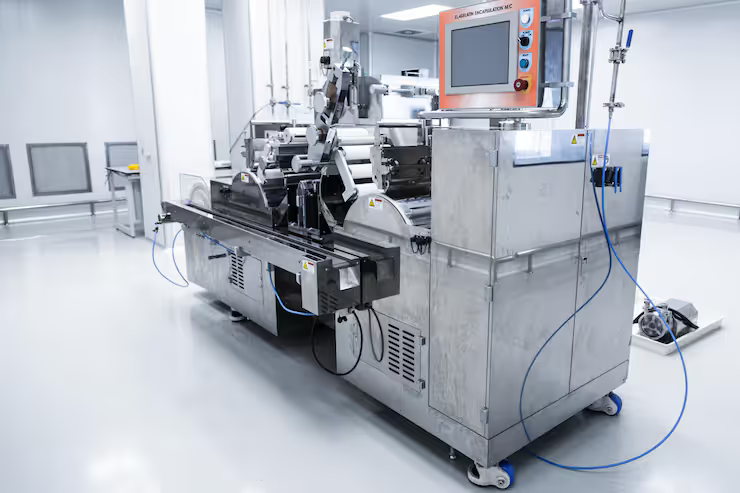
Dovetail machines play a vital role in modern woodworking by enabling precise and repeatable joinery. They help manufacturers meet growing global demand for high-quality, durable furniture.
Automation reduces human error and speeds up production, making it easier to scale operations. These machines bridge the gap between traditional craftsmanship and modern efficiency.
Key Benefits of Dovetail Joints
- High tensile strength
- Resistance to pulling forces
- Long-lasting structural integrity
- Attractive visual appearance
Who Benefits
- Professional woodworkers
- Furniture manufacturers
- Interior designers
- DIY enthusiasts
- Carpentry students
Problems Solved
- Inconsistent joint quality
- Time-intensive manual work
- Difficulty scaling production
- Limited precision in complex designs
Recent Updates
In 2025, dovetail machine technology continues to evolve with automation and smart manufacturing trends. CNC integration allows programmable and repeatable joinery, improving efficiency and accuracy.
Digital measurement systems now provide higher precision, while compact machines make advanced tools accessible to small workshops. Safety features such as automatic shut-off systems have also improved.
Key Innovations
- CNC-based programmable cutting
- Digital measurement integration
- Compact machine designs
- Improved safety mechanisms
Emerging Trends
- Hybrid machines combining routing and dovetail cutting
- Software-assisted design and simulation tools
- Sustainable manufacturing with reduced waste
- Energy-efficient motors and lower emissions
Training platforms and online resources are also expanding, helping users learn machine operation safely and effectively.
Laws and Policies
Dovetail machines are governed by workplace safety and industrial regulations across many countries, including India. These laws aim to ensure safe operation and minimize risks.
Operators are required to follow safety practices, including proper training and use of protective equipment. Regular maintenance and inspections are also essential.
Key Safety Requirements
- Machine guarding to prevent accidents
- Use of PPE such as gloves and goggles
- Operator training and certification
- Routine maintenance checks
Regulatory Standards
- Occupational safety guidelines
- Environmental rules for dust and air quality
- Electrical safety standards
- ISO 9001 (quality management)
- ISO 45001 (health and safety)
Risks of Non-Compliance
- Workplace accidents
- Equipment damage
- Lower product quality
- Legal and regulatory penalties
Tools and Resources
Using dovetail machines effectively requires supporting tools and digital resources. These tools enhance precision, safety, and workflow efficiency.
Common Supporting Tools
- Wood routers
- Clamps and holding devices
- Measuring tools (calipers, rulers)
- Dust collection systems
- Sharpening tools
Digital Tools
- CAD software for design
- CNC programming tools
- Simulation software
- Maintenance tracking applications
Dovetail Machine Comparison
| Machine Type | Skill Level Required | Automation Level | Typical Use Case |
|---|---|---|---|
| Manual Jig System | Moderate | Low | DIY and small workshops |
| Semi-Automatic Machine | Intermediate | Medium | Medium-scale production |
| CNC Dovetail Machine | Advanced | High | Industrial manufacturing |
Basic Workflow
- Prepare and measure wood pieces
- Secure material in the machine
- Set cutting parameters
- Perform cutting operation
- Inspect and assemble joints
Learning Resources
- Woodworking tutorials
- Technical manuals
- Online forums and communities
- Safety training modules
Additional Insights and Practical Understanding
Dovetail joints come in different forms depending on their structural and visual use. Each type serves a specific purpose in woodworking projects.
Types of Dovetail Joints
- Through dovetail joints
- Half-blind dovetail joints
- Sliding dovetail joints
Efficiency Comparison
| Factor | Manual Process | Machine-Assisted Process |
|---|---|---|
| Time per joint | High | Low |
| Consistency | Variable | High |
| Skill dependency | High | Moderate |
| Production scalability | Limited | High |
Modern machines significantly improve productivity while maintaining traditional craftsmanship quality.
FAQs
What is a dovetail joint used for?
A dovetail joint connects two pieces of wood, commonly used in drawers and cabinets. It provides strong and durable connections.
Are dovetail machines suitable for beginners?
Yes, many machines include simple controls and guides. With proper training, beginners can use them effectively.
What materials can be used?
They are primarily used with wood, including hardwood, softwood, and engineered wood.
How accurate are these machines?
Modern CNC machines offer high precision and consistent results across multiple pieces.
Do dovetail machines require maintenance?
Yes, regular cleaning, lubrication, and tool inspection are necessary for safe and efficient operation.
Conclusion
Dovetail machines combine traditional woodworking techniques with modern automation and precision. They allow users to produce strong, visually appealing joints efficiently and consistently.
Advancements in CNC technology, safety features, and digital tools continue to enhance their capabilities. With proper understanding and compliance with regulations, these machines remain essential for achieving quality, durability, and efficiency in woodworking.