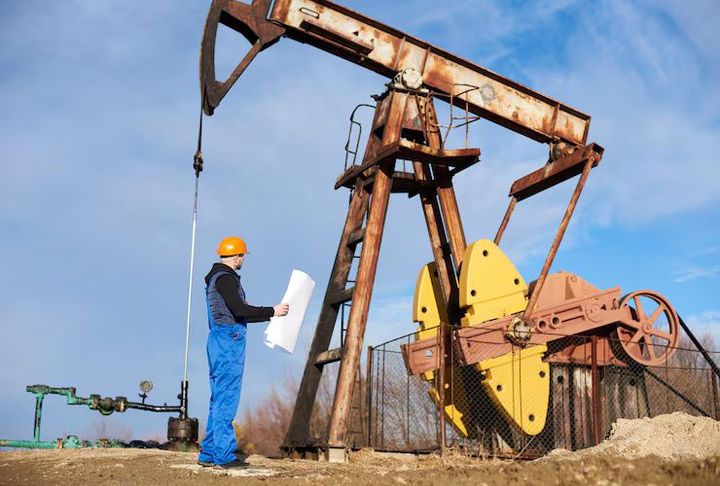
Drilling rigs in civil engineering are essential machines used to support safe and stable construction projects. Before building infrastructure such as bridges, highways, or dams, engineers must analyze soil conditions and ground stability. These machines help extract soil samples, install foundation piles, and create boreholes.
Civil drilling rigs come in different sizes and designs depending on the project. Some are compact for urban geotechnical work, while others are large rigs used for deep foundation construction.
Types of Civil Drilling Rigs
Common Rig Types
Civil drilling rigs are designed for specific applications in construction and geotechnical engineering. The most common types include:
-
Rotary drilling rigs
-
Percussion drilling rigs
-
Auger drilling rigs
-
Pile driving rigs
-
Directional drilling rigs
-
Sonic drilling rigs
Each type is suited for particular soil conditions, depths, and construction requirements.
Importance of Civil Drilling Rigs
Drilling rigs play a critical role in infrastructure development and foundation construction. As cities expand and new projects emerge, accurate ground analysis becomes increasingly important.
Why This Topic Matters
-
Urban projects require precise soil analysis
-
Renewable energy systems depend on deep foundations
-
Climate adaptation needs stable structures
-
Transportation projects involve underground work
Without proper drilling operations, construction risks may include:
-
Foundation instability
-
Structural settlement
-
Soil collapse
-
Water intrusion issues
Equipment Components and Applications
Civil drilling rigs consist of several essential components that enable efficient operation. These components work together to ensure accurate drilling and data collection.
Core Components
-
Mast or derrick structure
-
Rotary head or hammer system
-
Drill rods and drill bits
-
Hydraulic systems
-
Power unit (diesel or electric)
-
Control panel and monitoring systems
Applications
These rigs are used across multiple construction and engineering activities:
-
Geotechnical investigation
-
Pile foundation installation
-
Bridge and highway construction
-
Retaining wall anchoring
-
Groundwater monitoring wells
-
Tunnel pre-construction testing
Drilling Rig Comparison Table
| Rig Type | Typical Depth Range | Primary Application |
|---|
| Rotary Drilling Rig | Up to 60 meters | Deep foundation piles |
| Auger Rig | 5–30 meters | Soil sampling and shallow piles |
| Percussion Rig | Variable | Hard soil and rock penetration |
| Directional Rig | Horizontal | Underground utility installation |
| Sonic Rig | Medium depth | High-quality soil sampling |
Recent Updates in 2025
Civil drilling technology has evolved significantly in recent years. In 2025, several innovations are improving efficiency and sustainability in construction.
Key Trends
-
Adoption of electric-powered drilling rigs
-
Integration of GPS-based positioning systems
-
Use of Building Information Modeling (BIM)
-
Remote monitoring for diagnostics
-
Semi-automated drilling systems
Advanced data logging systems now record performance metrics such as torque and soil resistance. This helps engineers improve accuracy and documentation during projects.
Laws and Policies
Civil drilling operations must follow strict safety and environmental regulations. These rules ensure worker protection and project reliability.
Regulatory Frameworks
United States:
-
OSHA safety regulations
-
EPA environmental guidelines
-
Local building codes
European Union:
-
CE marking requirements
-
Machinery Directive standards
-
Environmental protection laws
Government Influence
-
Highway expansion programs
-
Urban redevelopment initiatives
-
Public transport modernization
-
Renewable energy projects
Permits and environmental assessments are often required before drilling begins.
Tools and Resources
Engineers rely on various tools and software to support drilling operations. These tools help improve planning, monitoring, and execution.
Common Tools
-
Geotechnical analysis software
-
Borehole logging applications
-
Foundation design calculators
-
Project management platforms
-
GPS alignment systems
-
BIM software
Digital Tools Table
| Tool Category | Purpose |
|---|
| Geotechnical Software | Soil analysis and load calculations |
| Data Logging Systems | Performance monitoring |
| Project Management Tools | Scheduling and documentation |
| BIM Platforms | Integration with building models |
Operational Workflow Overview
A typical civil drilling operation follows a structured process to ensure efficiency and safety.
Key Steps
-
Site survey and planning
-
Equipment setup
-
Borehole drilling or pile installation
-
Data recording and quality checks
-
Site restoration and reporting
Modern rigs often include real-time monitoring systems that display drilling depth and performance metrics.
Frequently Asked Questions
What is the difference between civil and oil drilling rigs?
Civil drilling rigs are used for construction tasks like soil testing and foundation installation. Oil drilling rigs are designed for extracting hydrocarbons at much greater depths.
How deep can civil drilling rigs drill?
Most civil rigs operate between 10 and 60 meters, depending on the project. Specialized rigs can go deeper if required.
Why is geotechnical drilling important?
It helps identify soil properties and groundwater conditions. This ensures safe and stable foundation design.
Are modern drilling rigs environmentally friendly?
Yes, newer rigs use electric power and emission-reduction technologies. Environmental regulations also ensure responsible operation.
Which industries use civil drilling rigs?
-
Infrastructure development
-
Transportation
-
Renewable energy
-
Commercial construction
-
Environmental engineering
Industry Insights
Global infrastructure investment is increasing, especially in developing economies. Smart cities and sustainable construction projects require advanced drilling solutions.
Key Innovations
-
Automation reduces human error
-
Digital mapping improves accuracy
-
Energy-efficient systems lower impact
-
Real-time monitoring enhances safety
These innovations are shaping the future of civil engineering and construction technology.
Conclusion
Civil drilling rigs are fundamental to modern construction and infrastructure development. They enable accurate soil analysis, safe foundation installation, and efficient project execution.
Advancements in automation, electric power, and digital monitoring are transforming the industry in 2025. Regulatory standards continue to ensure safety and environmental responsibility.
Understanding civil drilling rigs helps engineers, students, and policymakers appreciate their importance in building safe and resilient infrastructure.