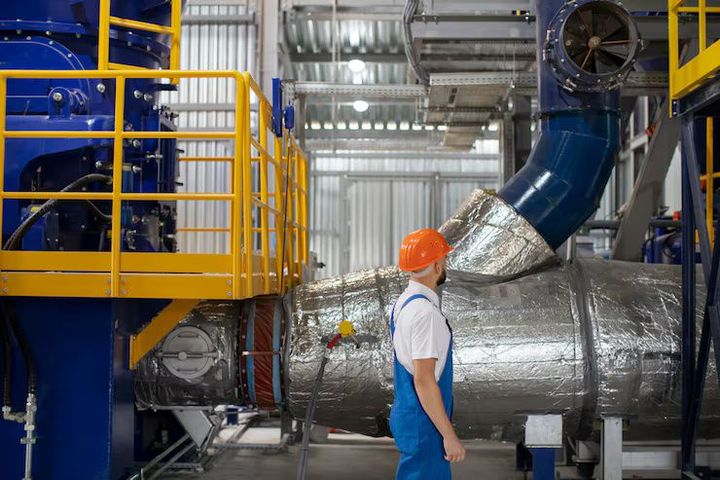
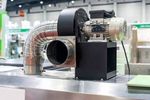
Air ducts are essential components of modern buildings, helping maintain indoor air quality, regulate temperature, and support ventilation systems. They are widely used in homes, offices, hospitals, factories, and commercial facilities.
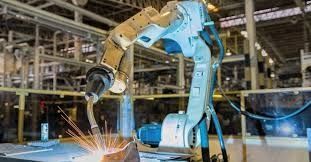
Duct fabrication machines streamline the production of ductwork with high precision and efficiency, replacing traditional manual methods. Modern systems rely on automation, digital controls, and programmable technologies to ensure consistent quality.
Common Materials Used
Duct fabrication typically uses durable metals that can withstand airflow pressure and environmental conditions:
-
Galvanized steel
-
Stainless steel
-
Aluminum sheet metal
Key Machine Operations
These machines perform several essential fabrication processes:
-
Sheet metal cutting
-
Folding and bending
-
Lock forming
-
Flange creation
-
Pittsburgh seam forming
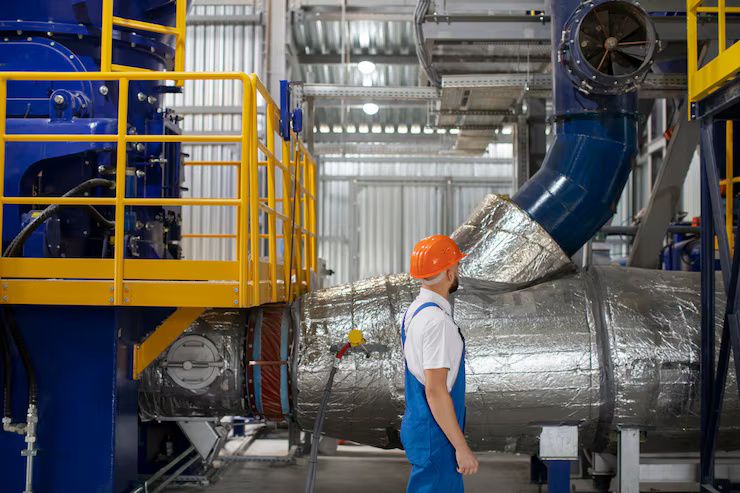
Why Duct Fabrication Machines Matter Today
Duct fabrication technology plays a critical role in modern construction, especially as HVAC systems become more advanced and energy-efficient. Proper ductwork ensures balanced airflow, temperature control, and improved indoor air quality.
Without precision fabrication, systems may suffer from air leakage, uneven distribution, and pressure loss. These machines help eliminate such issues by ensuring accuracy and consistency.
Key Benefits
-
Ensures consistent duct dimensions
-
Reduces manufacturing errors
-
Supports large-scale construction projects
-
Improves HVAC airflow efficiency
Industries That Depend on Duct Fabrication
-
Commercial construction
-
Residential housing
-
Hospitals and healthcare facilities
-
Manufacturing plants
-
Data centers and tech facilities
Recent Developments in Duct Fabrication Technology
Recent advancements in 2024–2025 have significantly improved duct fabrication efficiency and integration with digital systems. Manufacturers are increasingly adopting automated and software-driven solutions.
These innovations allow seamless conversion of design data into machine instructions, reducing manual intervention and improving accuracy.
Key Trends
-
Increased use of CNC-controlled machines
-
Integration with Building Information Modeling (BIM)
-
Automation of cutting and folding processes
-
Focus on energy-efficient equipment
Machine Types and Functions
| Machine Type | Primary Function | Typical Application |
|---|
| Coil Line Machine | Processes metal coils into duct panels | High-volume duct production |
| Lock Forming Machine | Creates seams and locks | Rectangular duct assembly |
| Folding Machine | Bends sheet metal | Duct shaping |
| Flange Forming Machine | Creates connection edges | HVAC system assembly |
Regulations and Policy Influence
Duct fabrication operates within regulatory frameworks related to construction standards, worker safety, and environmental protection. These rules ensure that duct systems meet performance and safety requirements.
Compliance is essential for maintaining indoor air quality and ensuring safe manufacturing practices.
Key Regulatory Considerations
-
Indoor air quality standards
-
Building ventilation codes
-
Worker safety regulations
-
Environmental compliance for metal processing
Tools and Resources for Duct Fabrication
Modern duct fabrication combines industrial machinery with digital tools that support design, planning, and quality control. These tools help engineers optimize airflow and detect issues before production begins.
They also improve collaboration between design and manufacturing teams.
Common Digital Tools
-
HVAC design software
-
BIM platforms
-
CNC programming tools
-
Airflow calculation software
-
Ventilation planning systems
Fabrication Planning Tools
| Tool Type | Purpose |
|---|
| HVAC Design Software | Creates duct layouts and airflow plans |
| CNC Programming Tools | Converts designs into machine instructions |
| Airflow Calculators | Evaluates ventilation performance |
| BIM Platforms | Integrates HVAC with building models |
Industry Insights and Performance Trends
The duct fabrication industry is evolving with advancements in automation and smart building technologies. Integrated production lines now allow multiple fabrication steps to occur in a single workflow.
Automation has significantly improved efficiency and scalability, especially for large construction projects.
Key Industry Trends
-
Growth of smart building systems
-
Adoption of digital manufacturing
-
Increased focus on energy-efficient HVAC
-
Expansion of automated production lines
Production Efficiency Comparison
| Production Method | Efficiency Level |
|---|
| Manual Fabrication | Moderate |
| Semi-Automated Equipment | High |
| Fully Automated Production | Very High |
Frequently Asked Questions
What are duct fabrication machines used for?
Duct fabrication machines are used to produce metal ductwork for HVAC systems. They shape and assemble sheet metal into ducts that distribute air efficiently.
What materials are commonly used?
Common materials include galvanized steel, stainless steel, and aluminum. These provide strength and corrosion resistance.
How do these machines improve HVAC systems?
They ensure precise dimensions and airtight connections, improving airflow and system efficiency.
What is a coil line machine?
A coil line machine processes metal coils into flat panels used to create ducts. It is essential for high-volume production.
Conclusion
Duct fabrication machines are essential for producing high-quality HVAC duct systems used in modern buildings. They enable precise manufacturing, improve airflow efficiency, and support large-scale construction projects.
Advancements in automation, CNC systems, and digital design tools continue to enhance fabrication accuracy and productivity. As energy efficiency and smart building technologies grow, these machines will remain critical in shaping the future of HVAC infrastructure.