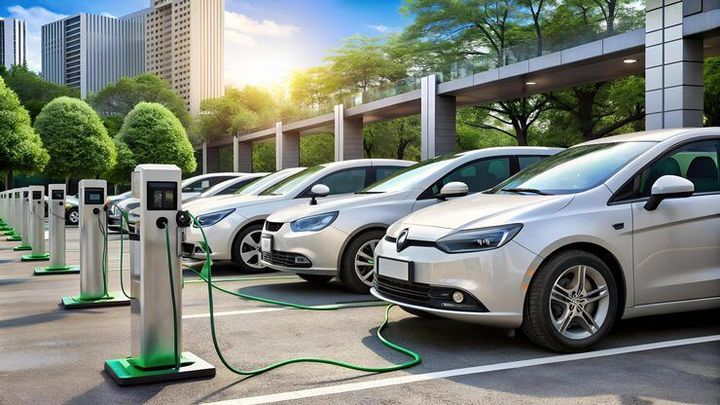
Electric Cars Guide: Features, Charging, and Everyday Use
Electric cars have moved from being a niche idea to a familiar part of everyday transport discussions. In many cities, they are now seen on highways, in residential areas, and at public charging points. Governments, car makers, and energy companies are all paying attention to this shift, but so are ordinary drivers who simply want to understand what electric cars are and how they fit into daily life.
At the most basic level, an electric car is a vehicle powered by electricity instead of a traditional petrol or diesel engine. Rather than relying on fuel combustion, it uses a battery pack to store electricity and an electric motor to turn that stored energy into movement. This changes not only how the car is powered, but also how it feels to drive, maintain, and use over time.
For many people, electric cars are interesting because they connect transport with bigger topics such as air quality, climate goals, urban planning, and household energy use. They are often discussed as part of the wider move toward cleaner transport, especially in places where governments are trying to reduce emissions from road traffic. At the same time, they raise practical questions: How far can they go on one charge? Where can they be charged? How long do batteries last? Are they suitable for long-distance travel?
This article looks at electric cars in a clear and balanced way. It explains how they work, why they matter, where they can be useful, and what limitations people should understand before making decisions about them.
What Is an Electric Car?
An electric car, often called an EV or electric vehicle, runs on electricity stored in a battery. Instead of an internal combustion engine, it uses an electric motor. When the driver presses the accelerator, energy from the battery is sent to the motor, which powers the wheels.
There are different types of electric vehicles, but when people say “electric car,” they usually mean a battery electric vehicle. This type runs entirely on electricity and does not use petrol or diesel for driving. It must be recharged by plugging it into a charging point or another electricity source designed for vehicle charging.
Electric cars differ from hybrid vehicles. A hybrid uses both a fuel engine and an electric motor, while a battery electric vehicle relies only on electricity. Plug-in hybrids sit somewhere in between, because they can run on battery power for shorter distances and switch to fuel when needed.
How Electric Cars Work
Although the technology behind electric cars can be complex, the basic idea is straightforward. The battery stores electrical energy. That energy is sent to the electric motor, which creates motion. The driver controls speed and braking in much the same way as in a conventional car.
One important feature of many electric cars is regenerative braking. When the driver slows down, part of the energy that would normally be lost as heat is sent back into the battery. This can improve efficiency, especially in stop-and-go traffic.
Most electric cars include these main parts:
- Battery pack – stores the electricity used for driving
- Electric motor – powers the wheels
- Power electronics – manage the flow of electricity between the battery and motor
- Charging port – connects the car to a charging source
- Software systems – monitor battery health, energy use, and driving performance
Because electric motors have fewer moving parts than traditional engines, the driving experience is often quieter and smoother. Many drivers also notice quick acceleration from a standstill, since electric motors can deliver power almost immediately.
Why Electric Cars Are Getting More Attention
Electric cars are becoming more visible for several reasons. One of the biggest is environmental concerns. Road transport is a major source of greenhouse gas emissions in many countries, and electric vehicles are often seen as one way to reduce the environmental impact of daily travel.
Another reason is advances in battery technology. Over time, batteries have improved in range, performance, and durability. Charging networks have also expanded in many regions, making electric driving more practical than it was a decade ago.
Public policy has played a major role as well. Some governments have introduced emissions targets, charging infrastructure programs, or road transport policies that support the shift toward lower-emission vehicles. As a result, car makers are investing more heavily in electric vehicle development and production.
There is also a lifestyle factor. For some drivers, the appeal of an electric car is not only environmental. It may also be about quieter driving, simpler mechanics, reduced local tailpipe emissions, or the ability to charge at home rather than visiting a fuel station regularly.
Everyday Benefits of Electric Cars
Electric cars can bring several practical advantages, especially for people whose driving patterns match the strengths of battery-powered vehicles.
Lower Tailpipe Emissions
A battery electric car does not produce tailpipe emissions while driving. This can help reduce local air pollution in towns and cities, especially in areas with heavy traffic. The overall environmental impact still depends partly on how the electricity is generated, but local roadside emissions are lower.
Quiet and Smooth Driving
Electric motors are generally quieter than combustion engines. This can make city driving feel calmer and reduce noise pollution in urban areas. Many people also find the acceleration smooth and easy to control.
Home Charging Convenience
For people who have access to a home charger or a reliable private parking space, charging can fit naturally into daily routines. Instead of making separate trips to refuel, the vehicle can charge overnight while parked.
Less Routine Mechanical Complexity
Electric cars do not need engine oil changes and have fewer mechanical parts than traditional fuel-powered vehicles. That does not mean they are maintenance-free, but some routine tasks are different and may be less frequent.
Common Challenges and Limitations
Electric cars also come with practical challenges. These are important to understand, especially for people comparing transport options for regular family, work, or long-distance use.
Charging Access
Not everyone has a driveway, garage, or dedicated parking spot. For apartment residents or people who park on the street, home charging may be difficult. Public charging networks are growing, but availability and reliability still vary by region.
Charging Time
Refilling a fuel tank usually takes only a few minutes. Charging an electric car can take much longer depending on the charger type, battery size, and charging speed supported by the vehicle. Fast chargers reduce waiting time, but they are not available everywhere.
Driving Range
Range has improved significantly, but it remains a major concern for many people. A car with enough range for daily commuting may still require planning for longer road trips. Weather, speed, terrain, and use of heating or air conditioning can also affect how far the car can travel on a full charge.
Battery Aging
Like other rechargeable batteries, electric vehicle batteries slowly lose some capacity over time. Modern battery systems are designed to last for many years, but battery health remains an important part of long-term ownership considerations.
Charging Types Explained Simply
Charging is one of the biggest differences between electric cars and traditional vehicles, so it helps to understand the basic types.
Home Charging
This is often the most convenient option. The car is plugged in at home, usually overnight. Charging speed depends on the home setup and charger type.
Public Slow or Destination Charging
These chargers are commonly found in parking areas, workplaces, shopping centers, or hotels. They are useful when the car is parked for a longer period.
Rapid or Fast Charging
These are designed to add range more quickly, making them helpful during longer journeys. They are often located near highways or major travel routes.
The time needed for charging depends on the battery size and charger power. Some cars may gain a useful amount of range in a short stop, while a full charge can take much longer.
Are Electric Cars Suitable for Everyone?
Electric cars can work well for many people, but suitability depends on driving habits, local infrastructure, and living arrangements.
They may fit well if someone:
- drives mainly within city or suburban areas
- has access to home or workplace charging
- wants a quieter and lower-emission driving experience
- prefers a vehicle with fewer traditional engine-related maintenance needs
They may be less practical if someone:
- regularly drives very long distances without dependable charging access
- lives in an area with limited charging infrastructure
- cannot easily charge at home or near work
- needs a vehicle for remote travel where charging stations are scarce
For this reason, the conversation around electric cars is no longer only about the car itself. It is also about infrastructure, electricity supply, urban planning, parking access, and how people actually use vehicles in daily life.
The Wider Impact of Electric Cars
Electric cars are part of a larger shift in transport and energy systems. Their growth affects more than drivers alone. Power grids may need upgrades to handle higher charging demand. Cities may need more public charging points. Manufacturers need battery supply chains, recycling systems, and new production strategies.
There is also a broader environmental discussion around battery materials, electricity generation, and end-of-life recycling. Electric cars can reduce local emissions and support cleaner transport goals, but their full environmental impact depends on how they are produced, charged, and managed over time.
That is why electric cars are often discussed not as a single solution, but as one piece of a wider transition in mobility.
Conclusion
Electric cars are changing how many people think about transport. They replace the traditional engine with a battery and electric motor, creating a different driving experience and a different relationship with energy use. For many households, they can make everyday travel quieter, cleaner at the tailpipe, and easier to manage through home charging. For others, challenges such as charging access, range planning, and battery concerns still matter.
The most useful way to understand electric cars is to look at them practically. They are neither a perfect answer for every driver nor a passing trend. They are a growing part of the transport landscape, shaped by technology, infrastructure, public policy, and everyday driving needs. As charging networks expand and battery systems continue to improve, electric cars are likely to remain an important topic in the future of mobility.