Electric Grid Automation Guide: Explore Key Tools and Trends in Smart Power Networks
Electric grid automation refers to the use of advanced digital technologies, control systems, and communication networks to monitor, manage, and optimize the operation of power grids. Traditional electrical grids relied heavily on manual intervention and limited data visibility. As electricity demand increased and energy systems became more complex, automation emerged as a solution to improve efficiency and reliability.
Modern power networks are evolving into smart grids where automated systems collect real-time data from sensors, substations, and transmission lines. These systems analyze information and make decisions with minimal human intervention.
The primary goal is to ensure a stable and efficient electricity supply while adapting to changing demand patterns. Automation technologies have become essential due to digital transformation in the energy sector.
Core Components of Grid Automation
Electric grid automation relies on several key technologies working together to create a responsive system. These components enable real-time monitoring, control, and optimization.
- Supervisory Control and Data Acquisition (SCADA) systems
- Advanced Metering Infrastructure (AMI)
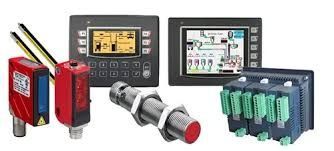
- Intelligent Electronic Devices (IEDs)
- Distribution Management Systems (DMS)
- Communication networks and IoT sensors
These technologies form a data-driven ecosystem that improves grid performance and efficiency.

Importance of Electric Grid Automation
Electric grid automation is increasingly important due to rising energy demands and the shift toward sustainable power generation. It impacts governments, industries, utility providers, and consumers alike.
One major advantage is improved reliability. Automated systems can quickly detect faults, isolate issues, and restore power faster than traditional manual systems.
Key Reasons It Matters
- Growing electricity demand from urbanization and digital infrastructure
- Integration of renewable energy sources like solar and wind
- Need for real-time monitoring and predictive maintenance
- Focus on energy efficiency and reduced transmission losses
Automation helps address several challenges in modern power systems:
- Frequent power outages
- Inefficient energy distribution
- Difficulty balancing supply and demand
- Limited visibility into grid performance
Smart grids can automatically adjust power flow based on consumption patterns. This ensures efficient energy delivery and reduces waste.
Recent Updates in 2025
Electric grid automation has seen significant advancements in 2025 due to global energy transitions and digital innovation. These developments are shaping the future of power systems.
Key Developments
- Increased investment in smart grid infrastructure worldwide
- Deployment of AI-driven predictive analytics by utilities
- Introduction of advanced cybersecurity frameworks
- Adoption of edge computing for faster local data processing
Another major trend is the rise of decentralized energy systems. Microgrids and distributed energy resources (DERs) are becoming more common, requiring advanced automation.
The growth of electric vehicles (EVs) is also impacting the grid. Charging infrastructure requires smart load balancing and automated demand response systems.
Technology Trends Table
| Trend | Description |
|---|---|
| AI Integration | Predictive maintenance and demand forecasting |
| Edge Computing | Faster processing at grid nodes |
| Renewable Integration | Managing solar and wind energy inputs |
| Cybersecurity Enhancements | Protecting digital grid infrastructure |
Laws and Policies
Electric grid automation is guided by national regulations and international standards. Governments play a crucial role in promoting and regulating smart grid technologies.
In India, initiatives such as the Revamped Distribution Sector Scheme (RDSS) focus on improving power distribution through digital technologies. These programs encourage the adoption of smart meters and automation systems.
Key Regulatory Areas
- Grid reliability and performance standards
- Data privacy and cybersecurity requirements
- Environmental policies supporting renewable energy
- Energy efficiency targets
Global organizations like IEC and IEEE develop standards to ensure interoperability and safety across grid systems.
Tools and Resources
Electric grid automation depends on various digital tools for monitoring, analysis, and control. These tools enable efficient grid management and decision-making.
Common Tools
- SCADA software for real-time monitoring
- Energy Management Systems (EMS)
- Geographic Information Systems (GIS)
- Smart meter analytics platforms
- AI-based load forecasting tools
- Cybersecurity monitoring systems
Technologies Used
- IoT sensor networks
- Cloud-based analytics platforms
- Digital twin models
- Communication protocols like IEC 61850
Automation Tools Comparison Table
| Tool Type | Function | Key Benefit |
|---|---|---|
| SCADA Systems | Monitor and control grid | Real-time visibility |
| DMS Platforms | Manage distribution networks | Improved efficiency |
| AMI Systems | Collect consumption data | Accurate billing & insights |
| AI Analytics | Predict demand and faults | Preventive maintenance |
Basic Workflow
- Data collection from sensors and smart meters
- Transmission through communication networks
- Analysis using software platforms
- Automated control actions
- Continuous monitoring and optimization
Frequently Asked Questions
What is electric grid automation?
Electric grid automation uses digital systems and control technologies to monitor and manage electricity networks in real time.
How is a smart grid different from a traditional grid?
A smart grid uses automation and data analytics for optimization, while traditional grids rely on manual processes and limited data.
Why is it important for renewable energy?
It helps manage variable energy sources like solar and wind by balancing supply and demand efficiently.
What role does AI play?
AI enables predictive maintenance, demand forecasting, and improved operational efficiency.
Is grid automation secure?
Security depends on strong cybersecurity measures, as digital systems can be vulnerable to threats.
Additional Insights and Data
Electric grid automation supports sustainability by improving energy efficiency and reducing carbon emissions. It also helps optimize long-term grid performance.
Benefits Overview Table
| Benefit Area | Impact Level |
|---|---|
| Reliability | High |
| Efficiency | High |
| Sustainability | High |
| Operational Costs | Moderate |
Demand response is another important concept. Automated systems adjust electricity usage during peak periods to prevent overload and reduce energy costs.
Smart substations are also gaining popularity. They use digital communication and automation to enhance monitoring and control.
Conclusion
Electric grid automation is transforming how electricity is generated, distributed, and consumed. Technologies like AI, IoT, and real-time analytics are making power systems more efficient and reliable.
Recent developments in 2025 highlight its growing role in supporting renewable energy, electric vehicles, and decentralized systems. Government policies and regulations continue to guide safe and effective implementation.
Understanding grid automation helps individuals and organizations adapt to the evolving energy landscape. It will play a critical role in building sustainable and resilient power systems in the future.