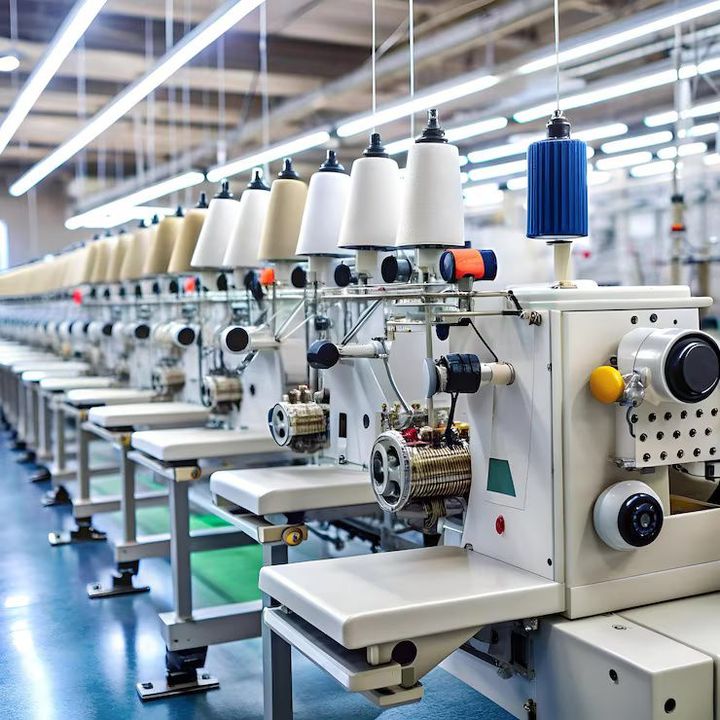
Embroidery Machines: Technology, Techniques, and Modern Textile Design Insights
Embroidery machines are specialized textile devices designed to create decorative stitching patterns on fabric. These machines automate the process of embroidery by using programmed designs, allowing consistent patterns to be stitched with speed and precision. Traditional hand embroidery has existed for centuries in many cultures, but embroidery machines were developed to increase efficiency and accuracy in textile decoration.
Early mechanical embroidery machines emerged during the industrial textile expansion of the nineteenth century. Over time, advances in computer technology transformed these machines into digital systems capable of stitching complex patterns automatically. Today, computerized embroidery machines can read digital files and produce intricate designs on garments, home textiles, and industrial fabrics.
Embroidery machines are available in different types, including single-needle machines, multi-needle machines, and large commercial systems. They are widely used for decorative stitching, logo embroidery, monogramming, and artistic textile work.
Types of Embroidery Machines
Common types of embroidery machines include:
-
Single-needle machines
- Suitable for small-scale or home-based projects
- Require manual thread changes
-
Multi-needle machines
- Support multiple thread colors simultaneously
- Ideal for faster and more complex designs
-
Commercial embroidery systems
- Designed for large-scale textile production
- Used in factories and industrial environments
Modern embroidery machines integrate mechanical movement with digital design software. Designers use digitizing tools to convert artwork into stitch instructions, blending creativity with engineering and automation.
Why Embroidery Machines Matter Today
Embroidery machines play a vital role in the textile and apparel industries. They automate decorative stitching, reducing manual labor while ensuring consistent quality. This is especially important in fashion, interior textiles, and custom apparel production.
For manufacturers, embroidery machines provide precision and repeatability. A single design file can be reproduced multiple times with identical results, making them ideal for branding elements like logos and uniforms.
Key Benefits and Applications
Embroidery machines support various industries and user groups:
- Textile designers creating digital embroidery patterns
- Fashion manufacturers producing decorated garments
- Educational institutions teaching textile technology
- Craft communities exploring modern embroidery
- Industrial producers applying functional stitching
They also enable creative innovation. Designers can experiment with stitch types, textures, and multi-color patterns that are difficult to achieve manually.
Automation improves efficiency by allowing continuous operation with minimal intervention. Additionally, embroidery machines help preserve cultural patterns by digitizing traditional designs for modern use.
Recent Trends and Developments
Embroidery technology continues to evolve with advancements in digital manufacturing. Over the past year, several key trends have influenced the industry.
One major development is the integration of artificial intelligence into digitizing software. New tools introduced in 2024 and early 2025 can automatically convert artwork into optimized stitch patterns.
Another trend is improved machine connectivity. Many modern machines now support wireless file transfer, enabling seamless integration with cloud-based design platforms.
Key Technology Trends
| Technology Area | Recent Development | Impact |
|---|---|---|
| AI Digitizing Tools | Automatic stitch generation and optimization | Faster design preparation |
| Wireless Connectivity | Cloud-based file transfer and control | Improved workflow integration |
| Energy Efficiency | Advanced motors and power management | Reduced energy consumption |
| Multi-Needle Systems | Increased stitching speed and thread handling | Higher production efficiency |
Sustainability has also become a focus area. Manufacturers are developing energy-efficient machines and systems that reduce material waste. These efforts align with broader environmental goals in the textile industry.
Hybrid production is another growing trend. Designers combine embroidery with digital printing to create layered textures and advanced visual effects.
Laws and Policies Affecting Embroidery Machines
Although embroidery machines are mechanical tools, their use is influenced by regulations related to safety, environment, and intellectual property. These rules ensure responsible and legal operation.
Workplace safety standards require proper machine handling, electrical compliance, and ergonomic setups. Textile facilities must follow these guidelines to protect operators.
Environmental regulations may apply to textile production processes. These include waste management practices and energy usage controls.
Key Regulatory Areas
- Workplace safety standards for machine operation
- Environmental rules for waste and energy management
- Intellectual property laws protecting designs and logos
- Technical standards for machine safety and performance
Intellectual property laws are particularly important in embroidery. Logos, patterns, and artwork may be protected by copyright or trademark, requiring proper authorization before use.
Regulatory Overview
| Policy Area | Purpose |
|---|---|
| Workplace Safety Standards | Protect operators and ensure safe usage |
| Environmental Regulations | Control waste and reduce environmental impact |
| Intellectual Property Laws | Protect designs, logos, and digital artwork |
| Equipment Standards | Ensure machines meet safety and electrical norms |
Understanding these regulations helps designers and businesses operate responsibly within the textile industry.
Tools and Resources for Embroidery Machines
Various tools support embroidery design, file management, and machine operation. These tools help convert artwork into stitch patterns and streamline production workflows.
Common Embroidery Software
-
Wilcom EmbroideryStudio
- Advanced design and stitch editing capabilities
-
Hatch Embroidery Software
- User-friendly digitizing and layout tools
-
Brother PE-Design
- Design editing and stitch simulation features
Embroidery machines rely on specific file formats for operation. Common formats include:
- DST
- PES
- EXP
- JEF
Additional Resources
- Gemological and textile education platforms
- Pattern libraries and design tutorials
- Research publications on textile technology
- Vector design tools like Adobe Illustrator
Organizations such as the Embroidery Trade Association and the Textile Institute provide educational materials and industry insights.
Frequently Asked Questions
What is the difference between manual and computerized embroidery machines?
Manual machines require direct user control, while computerized machines automatically stitch designs using digital files. Computerized systems offer greater precision and efficiency.
How do embroidery machines create patterns?
They follow digital stitch instructions that control needle movement, thread changes, and stitching direction. These instructions are generated through digitizing software.
What fabrics can embroidery machines handle?
They can work with materials such as cotton, denim, polyester, canvas, and synthetic fabrics. Stabilizers are often used to maintain fabric stability during stitching.
What is embroidery digitizing?
Embroidery digitizing is the process of converting artwork into machine-readable stitch data. It defines stitch types, paths, and directions for accurate design reproduction.
Why are stabilizers important?
Stabilizers support the fabric during embroidery. They prevent distortion, puckering, and shifting, ensuring clean and precise stitching.
Conclusion
Embroidery machines represent a significant advancement in textile design and production. By combining mechanical precision with digital software, they enable consistent and detailed embroidery across various applications.
These machines support both industrial manufacturing and creative design. Designers can transform digital artwork into stitched patterns, while automated systems ensure accuracy and efficiency.
As technology evolves, embroidery machines are becoming more integrated with AI tools, cloud systems, and sustainable practices. Understanding their capabilities and applications helps professionals fully utilize modern embroidery technology in both creative and industrial contexts.