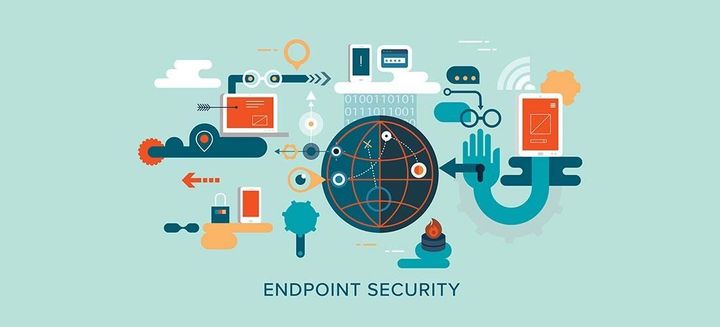
Endpoint Security: Complete Guide to Threat Protection and Device Security
Endpoint security plays a critical role in modern cybersecurity.
Every day, people use laptops, desktops, smartphones, tablets, and other connected devices to access networks and sensitive information. These devices, known as endpoints, are often targeted by cybercriminals seeking unauthorized access to valuable data.
As remote work, cloud computing, and digital communication continue to expand, organizations face increasing security challenges. Endpoint security helps protect devices from cyber threats such as malware, ransomware, phishing attacks, and unauthorized access. Understanding how endpoint protection works is essential for maintaining a secure digital environment.
Understanding the Concept
Endpoint security refers to the practice of protecting devices connected to a network from cyber threats. An endpoint can be any device that communicates with a network, including computers, smartphones, tablets, point-of-sale systems, and Internet of Things (IoT) devices.
When an endpoint becomes compromised, attackers may gain access to confidential information, financial records, customer data, or business systems. Endpoint protection focuses on detecting, preventing, and responding to these threats before they cause significant damage.
Modern cybersecurity strategies often include endpoint protection, network security, threat detection, ransomware protection, cloud security, and data protection working together to create a stronger defense system.
Key Types or Categories
Endpoint security includes several categories designed to address different types of cyber risks.
Endpoint Protection Platforms
An endpoint protection platform helps monitor devices and identify suspicious activities. It combines multiple security functions into a centralized management environment.
Key capabilities include:
- Malware detection
- Threat monitoring
- Device management
- Security policy enforcement
- Incident response
Mobile Device Security
Mobile devices are frequently used for communication and business activities. Mobile device security focuses on protecting smartphones and tablets from threats such as malicious applications, phishing attempts, and unauthorized access.
Cloud Endpoint Protection
Cloud endpoint protection helps secure devices that access cloud-based applications and data. This approach supports organizations with remote teams and distributed work environments.
Network Access Protection
Network access protection verifies device security before allowing access to organizational networks. This helps reduce the risk of compromised devices entering secure environments.
Important Subsections
Malware Protection
Malware includes harmful programs designed to damage systems or steal information.
Common examples include:
- Viruses
- Worms
- Trojans
- Spyware
- Ransomware
Endpoint security continuously monitors devices for signs of malicious activity and helps prevent infections.
Threat Detection and Response
Threat detection focuses on identifying suspicious behavior. Response mechanisms help isolate affected devices and limit potential damage.
For example, if a device suddenly begins transferring large amounts of data to an unknown location, the security system may flag the activity for investigation.
Data Protection
Data protection safeguards sensitive information from unauthorized access.
Important measures include:
- Encryption
- Access controls
- Secure authentication
- Activity monitoring
These practices help reduce the risk of data breaches.
Identity and Access Management
Identity verification ensures that only authorized users can access systems and information.
Common methods include:
- Password authentication
- Multi-factor authentication
- Biometric verification
- Access permissions
Strong identity management strengthens overall cybersecurity.
How It Works
Endpoint security operates through multiple layers of protection.
Step 1: Device Monitoring
Security tools continuously monitor endpoint activity.
They analyze:
- File changes
- Application behavior
- User actions
- Network connections
This monitoring helps identify unusual behavior.
Step 2: Threat Detection
Advanced security technologies compare activities against known threat patterns and suspicious behaviors.
For example, if a program attempts to modify critical files unexpectedly, it may trigger a security alert.
Step 3: Risk Analysis
Detected activities are evaluated to determine their risk level.
Security systems may classify events as:
- Low risk
- Medium risk
- High risk
- Critical threat
This prioritization helps security teams respond efficiently.
Step 4: Automated Protection
When a threat is detected, protective actions may occur automatically.
Examples include:
- Blocking malicious files
- Restricting suspicious applications
- Isolating affected devices
- Preventing unauthorized connections
Automation helps reduce response times.
Step 5: Incident Investigation
Security teams review alerts and investigate incidents.
This process helps determine:
- How the threat entered
- Which systems were affected
- What corrective actions are needed
Continuous improvement strengthens future protection.
Benefits and Advantages
Endpoint security provides numerous advantages for organizations and individual users.
Stronger Cybersecurity
Endpoint protection creates an additional layer of defense against cyber threats.
This helps reduce exposure to malware, ransomware, and phishing attacks.
Improved Data Security
Sensitive information remains better protected through encryption, monitoring, and access controls.
This reduces the likelihood of unauthorized data exposure.
Faster Threat Response
Automated threat detection helps identify risks quickly.
Rapid responses can prevent minor incidents from becoming major security events.
Support for Remote Work
Remote employees often access systems from various locations and devices.
Endpoint security helps maintain consistent protection regardless of where users connect.
Regulatory Compliance
Many industries must follow cybersecurity and data protection requirements.
Strong endpoint protection supports compliance efforts and security best practices.
Enhanced Visibility
Organizations gain better visibility into device activity and security status.
This insight supports informed decision-making and proactive risk management.
Real-World Examples or Applications
Endpoint security is used across numerous industries and environments.
Financial Institutions
Banks and financial organizations handle sensitive customer information daily.
Endpoint protection helps secure employee devices and reduce cybersecurity risks.
Healthcare Organizations
Medical facilities manage confidential patient records.
Strong endpoint security supports data protection and secure access to healthcare systems.
Educational Institutions
Schools and universities use large numbers of connected devices.
Endpoint protection helps secure student information and educational resources.
Retail Businesses
Retail environments often process payment information and customer data.
Device security helps reduce exposure to cyber threats targeting transactional systems.
Manufacturing Facilities
Modern manufacturing relies on connected equipment and operational technology.
Endpoint protection helps secure industrial devices and production environments.
Important Factors to Understand
Several important factors influence endpoint security effectiveness.
User Awareness
Human error remains one of the most common causes of cybersecurity incidents.
Users should learn to recognize:
- Suspicious emails
- Unknown attachments
- Fake login pages
- Unusual system behavior
Awareness strengthens overall security.
Regular Updates
Cyber threats evolve continuously.
Keeping devices updated helps address newly discovered vulnerabilities and improve protection.
Device Diversity
Organizations often manage different types of endpoints.
These may include:
- Windows computers
- Mobile devices
- Tablets
- IoT equipment
- Remote workstations
Each device category presents unique security challenges.
Security Policies
Clear security policies help establish consistent protection standards.
Policies may address:
- Password requirements
- Device usage rules
- Access permissions
- Incident reporting procedures
Consistent policies improve organizational security.
Continuous Monitoring
Cyber threats can emerge at any time.
Continuous monitoring supports early detection and rapid response to suspicious activities.
Future Trends and Industry Insights
Endpoint security continues evolving alongside emerging technologies and changing threat landscapes.
Artificial Intelligence in Threat Detection
Artificial intelligence is becoming increasingly important in cybersecurity.
AI-driven systems can analyze large volumes of data and identify unusual behavior patterns more efficiently.
Zero Trust Security
Zero Trust is a security model that assumes no user or device should automatically be trusted.
Every access request undergoes verification before permission is granted.
This approach is gaining widespread adoption across industries.
Cloud-Based Security Management
Cloud security continues expanding as organizations adopt remote and hybrid work models.
Centralized management improves visibility across multiple devices and locations.
Advanced Ransomware Protection
Ransomware attacks remain a significant concern.
Future endpoint protection strategies will focus on earlier detection, behavioral analysis, and stronger recovery capabilities.
Integration with Broader Security Ecosystems
Endpoint security increasingly works alongside:
- Network security
- Identity management
- Cloud security
- Threat intelligence
- Data protection solutions
Integrated security environments improve overall resilience against cyber threats.
Conclusion
Endpoint security is a fundamental component of modern cybersecurity. It protects devices, data, and users from a wide range of cyber threats, including malware, ransomware, phishing attacks, and unauthorized access.
By combining endpoint protection, threat detection, data security, identity verification, and continuous monitoring, organizations can create a stronger defense against evolving digital risks. As technology continues advancing and connected devices become even more common, endpoint security will remain a critical part of protecting information and maintaining secure operations.
Understanding endpoint security helps individuals and organizations make informed decisions about threat protection, device security, and long-term cybersecurity strategies.