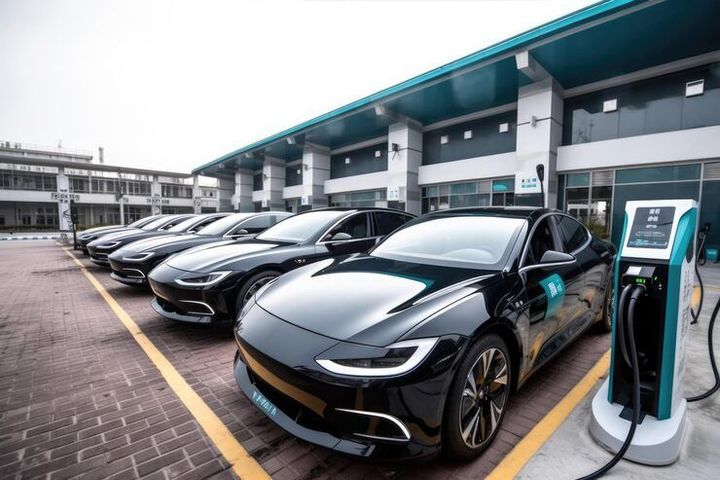
EV Fleet Charging Guide to Understanding Infrastructure Planning and Energy Management
The transportation industry is undergoing a significant transformation as electric vehicles become an increasingly common part of commercial operations.
Organizations across logistics, public transportation, delivery services, municipal operations, and corporate mobility are integrating EV fleets into their daily activities to improve operational efficiency and support long-term sustainability goals. As this transition continues, effective EV fleet management has become essential for maintaining reliable transportation while optimizing vehicle performance, charging operations, and maintenance planning.
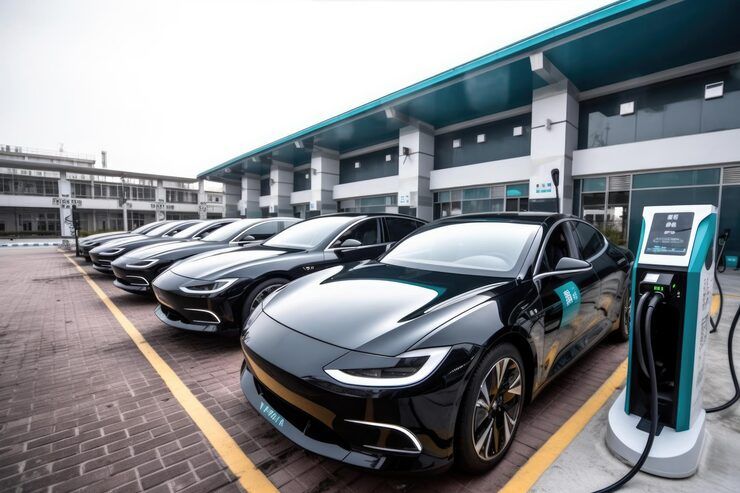
Managing an electric vehicle fleet involves much more than replacing conventional vehicles with electric models. It requires careful coordination of charging infrastructure, route planning, energy management, vehicle monitoring, and driver education. When these elements work together, organizations can build transportation systems that are more efficient, adaptable, and prepared for future technological developments.
This guide explains the fundamentals of EV fleet management, explores key technologies, discusses operational best practices, and highlights emerging trends shaping the future of commercial electric transportation.
What Is an EV Fleet?
An EV fleet is a group of electric vehicles operated by an organization for business, public service, or institutional purposes. These fleets may include passenger vehicles, delivery vans, buses, utility vehicles, service trucks, and other specialized transportation assets powered by rechargeable battery systems.
Unlike individual electric vehicles, fleet operations require centralized planning to coordinate charging schedules, vehicle availability, maintenance activities, and operational performance across multiple vehicles.
Common examples of electric vehicle fleet applications include:
- Delivery and logistics services
- Public transportation
- Corporate transportation
- Government agencies
- Utility companies
- Airport operations
- Educational institutions
- Healthcare organizations
- Campus transportation
- Facility maintenance vehicles
Each application has unique operational requirements that influence fleet management strategies.
Understanding EV Fleet Management
EV fleet management refers to the planning, monitoring, operation, and maintenance of electric vehicles within an organized transportation system.
Modern EV fleet management combines vehicle technology, digital software, charging infrastructure, and operational planning to support efficient day-to-day fleet performance.
Key management responsibilities include:
- Vehicle scheduling
- Route optimization
- Charging coordination
- Battery monitoring
- Preventive maintenance
- Driver management
- Energy consumption analysis
- Fleet performance reporting
These activities help organizations maximize vehicle availability while maintaining reliable transportation services.
Why EV Fleet Management Is Important
Managing a commercial EV fleet requires balancing transportation demands with charging requirements and vehicle performance.
Well-planned fleet management helps improve:
- Vehicle utilization
- Operational efficiency
- Fleet availability
- Charging coordination
- Maintenance planning
- Energy management
- Driver productivity
- Long-term fleet reliability
As fleet sizes increase, digital management tools become increasingly valuable for coordinating daily operations.
Core Components of an Electric Vehicle Fleet
An efficient EV fleet relies on several interconnected systems working together.
Electric Vehicles
The vehicles themselves form the foundation of the fleet. Different models are selected based on route length, payload requirements, passenger capacity, and operational conditions.
Fleet Management Software
Digital fleet management platforms collect and analyze vehicle data, allowing operators to monitor performance, battery status, charging history, and maintenance schedules from a centralized dashboard.
EV Charging Stations
Reliable EV charging stations are essential for maintaining fleet readiness.
Charging infrastructure may include workplace charging, depot charging, destination charging, or public charging depending on operational requirements.
Battery Management Systems
Battery management systems continuously monitor battery health, temperature, charging cycles, and overall performance to support safe and efficient operation.
Communication Networks
Modern fleets rely on secure communication between vehicles, charging infrastructure, and management platforms to exchange operational information in real time.
The Role of Commercial EV Charging
Commercial EV charging plays a central role in supporting daily fleet operations.
Unlike personal vehicle charging, commercial charging often involves coordinating multiple vehicles with different schedules and charging needs.
Organizations typically consider factors such as:
- Charging capacity
- Vehicle availability
- Daily travel distance
- Charging duration
- Energy demand
- Fleet scheduling
- Site layout
Proper planning helps ensure vehicles remain available when needed while avoiding unnecessary charging delays.
Types of EV Charging Stations
Several types of EV charging stations support commercial transportation.
| Charging Type | Typical Application | Operational Benefit |
|---|---|---|
| AC Charging | Workplace and overnight charging | Routine daily charging |
| DC Fast Charging | High-demand fleet operations | Reduced charging time |
| Depot Charging | Fleet storage locations | Centralized management |
| Public Charging | Extended travel routes | Increased operational flexibility |
Selecting appropriate charging infrastructure depends on fleet size, daily mileage, and operational objectives.
Planning an Efficient Commercial EV Fleet
Successful fleet planning begins with understanding operational requirements rather than simply selecting electric vehicles.
Important planning considerations include:
Vehicle Usage Patterns
Understanding how vehicles are used throughout the day helps determine charging schedules and vehicle availability.
Route Analysis
Evaluating travel distances, traffic conditions, and stopping points supports more efficient route planning.
Charging Infrastructure
Charging locations should align with daily operations to minimize downtime and improve convenience.
Fleet Expansion
Planning for future growth allows organizations to scale charging infrastructure and fleet management systems more efficiently.
Driver Training
Drivers benefit from understanding efficient driving habits, charging procedures, and vehicle monitoring systems.
Battery Management in EV Fleet Operations
Battery performance directly influences fleet efficiency.
Battery management involves monitoring:
- State of charge
- Battery temperature
- Charging cycles
- Energy consumption
- Battery health
- Charging history
- Operating conditions
Modern battery management systems automatically collect this information, helping fleet managers make informed operational decisions.
Consistent monitoring supports long-term battery performance while reducing unexpected operational interruptions.
Maintenance for Electric Vehicle Fleets
Electric vehicles generally have fewer moving mechanical components than conventional internal combustion vehicles. However, regular maintenance remains essential.
Maintenance activities may include:
- Tire inspections
- Brake system evaluation
- Battery system monitoring
- Software updates
- Cooling system checks
- Suspension inspections
- Electrical system diagnostics
- Charging connector inspections
Preventive maintenance helps maintain fleet reliability and supports consistent vehicle availability.
Digital Technologies Supporting EV Fleet Management
Technology continues to transform commercial fleet operations.
Common digital tools include:
- GPS tracking
- Telematics systems
- Artificial intelligence analytics
- Predictive maintenance software
- Remote diagnostics
- Mobile fleet management applications
- Energy monitoring platforms
- Automated reporting systems
These technologies provide fleet managers with valuable operational insights while supporting informed decision-making.
Challenges in Managing an EV Fleet
Although electric transportation continues to expand, organizations may encounter several operational challenges.
Charging Coordination
Managing charging schedules across multiple vehicles requires careful planning, particularly during periods of high demand.
Infrastructure Planning
Charging infrastructure should support both current operations and future fleet expansion.
Battery Performance
Environmental conditions, driving behavior, and operational demands can influence battery performance over time.
Data Management
Large commercial EV fleets generate significant operational data that must be organized and analyzed effectively.
Workforce Adaptation
Successful fleet transition often includes educating drivers, maintenance personnel, and fleet managers on electric vehicle technologies.
Sustainability and Environmental Benefits
Electric vehicle fleets contribute to broader sustainability initiatives by supporting cleaner transportation systems.
Potential environmental advantages include:
- Reduced tailpipe emissions
- Improved urban air quality
- Lower noise levels
- Greater energy efficiency
- Support for renewable energy integration
- Reduced dependence on conventional fuels
Many organizations incorporate EV fleet management into wider environmental and corporate sustainability strategies.
Future Trends in EV Fleet Management
The future of electric transportation continues to evolve rapidly.
Emerging trends include:
- Artificial intelligence-assisted fleet optimization
- Smart Commercial EV Charging systems
- Vehicle-to-grid integration
- Renewable energy charging solutions
- Autonomous fleet technologies
- Cloud-based fleet management platforms
- Advanced battery technologies
- Predictive energy management
As digital technologies become increasingly integrated, EV fleet management will continue moving toward more automated, data-driven transportation systems.
Best Practices for Efficient Fleet Operations
Organizations can improve fleet performance by following several practical principles:
- Monitor vehicle performance regularly.
- Plan charging around operational schedules.
- Maintain preventive maintenance programs.
- Analyze route efficiency periodically.
- Keep fleet software updated.
- Train drivers on efficient electric vehicle operation.
- Monitor battery health consistently.
- Plan infrastructure with future growth in mind.
These practices help support reliable and efficient commercial transportation.
Frequently Asked Questions
What is an EV fleet?
An EV fleet is a group of electric vehicles operated by an organization for business, public service, or institutional transportation purposes.
What does EV fleet management involve?
EV fleet management includes vehicle scheduling, charging coordination, maintenance planning, battery monitoring, route optimization, and operational performance analysis.
Why are EV charging stations important for commercial fleets?
EV charging stations ensure vehicles remain charged and available for daily operations while supporting efficient fleet scheduling and energy management.
What is Commercial EV Charging?
Commercial EV Charging refers to charging infrastructure specifically designed to support multiple electric vehicles operating within business or organizational fleets, often using centralized management systems.
How does technology improve EV fleet management?
Digital technologies such as telematics, GPS tracking, battery monitoring, predictive maintenance, artificial intelligence, and fleet management software provide valuable operational insights that improve efficiency and decision-making.
Conclusion
The growth of EV fleets represents a significant step toward modern, efficient, and sustainable transportation systems. Effective EV fleet management extends beyond vehicle operation by integrating charging infrastructure, battery monitoring, maintenance planning, digital analytics, and intelligent scheduling into a unified transportation strategy.
As electric vehicle technology continues to advance, organizations that understand the principles of fleet planning, Commercial EV Charging, and operational optimization will be better prepared to manage reliable and adaptable transportation networks. By combining thoughtful planning with modern technology, commercial EV fleets can support efficient mobility while contributing to the continued evolution of sustainable transportation.