UV printing machines are advanced digital printing systems that use ultraviolet light to cure specially formulated inks instantly during the printing process. Unlike traditional printing methods where ink dries slowly through evaporation or absorption, UV printing uses UV lamps to harden the ink immediately after it is applied to the surface.
This technology was developed to address limitations in conventional printing, particularly when printing on non-porous materials such as glass, metal, plastic, wood, or acrylic. Traditional inks often require extended drying time and may struggle to adhere properly to certain surfaces. UV printing machines exist to solve these challenges by delivering fast curing, high durability, and precise color reproduction across a wide range of materials.
Modern UV printing machines are used in industries such as signage production, product customization, packaging, industrial labeling, and decorative printing. Their ability to print directly on diverse materials has expanded design possibilities and improved production efficiency.
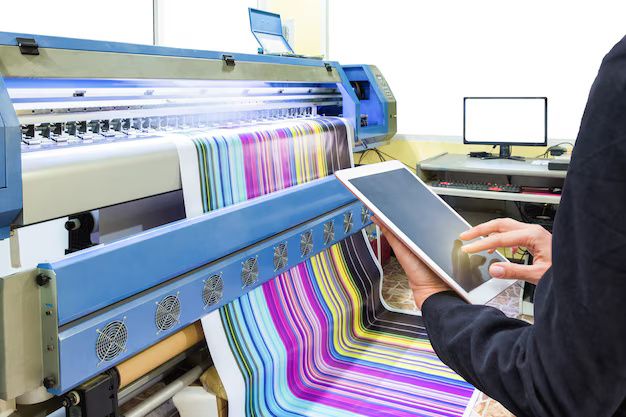
Importance: Why UV Printing Machines Matter Today
UV printing machines are increasingly important in modern printing and manufacturing environments because they combine speed, precision, and material versatility.
Why this technology matters today:
-
Multi-material printing capability: Works on surfaces such as glass, wood, plastic, metal, and ceramics
-
Fast curing process: Instant ink hardening allows quicker production cycles
-
Durable prints: UV-cured inks resist fading, scratching, and environmental exposure
-
High print quality: Advanced print heads deliver detailed images and vibrant colors
-
Efficient production: Reduces drying time and workflow interruptions
These machines affect graphic designers, packaging specialists, signage manufacturers, industrial product developers, and custom product creators. They solve problems related to slow drying times, limited surface compatibility, and inconsistent print durability.
As industries increasingly focus on customization and small-batch production, UV printing technology has become a key tool for flexible manufacturing and creative design.
Recent Updates: Industry Trends and Developments (2024–2025)
Over the past year, UV printing technology has experienced several improvements related to efficiency, automation, and environmental considerations.
| Year | Development or Trend | Industry Impact |
|---|---|---|
| 2024 | Enhanced LED UV curing systems | Lower energy consumption and longer lamp lifespan |
| 2024 | Higher resolution print heads | Improved image sharpness and color accuracy |
| 2025 | Increased automation in print workflows | Faster setup and reduced operator intervention |
| 2025 | Expansion of hybrid UV printers | Capability to print both rigid and flexible materials |
Another emerging trend involves improved ink formulations designed to expand compatibility with more surfaces while maintaining strong adhesion and environmental stability. Manufacturers are also focusing on reducing heat generation during curing to allow printing on sensitive materials.
Laws, Regulations, and Policy Influence
UV printing machines operate under regulations related to workplace safety, environmental impact, and electronic equipment standards.
Common regulatory considerations include:
-
Occupational safety regulations: Address operator protection from UV light exposure and chemical handling
-
Environmental standards: Manage emissions, ink disposal, and energy consumption
-
Electrical safety certifications: Ensure equipment complies with electrical and electromagnetic standards
-
Industrial workplace guidelines: Require proper ventilation and safe machine operation
In many countries, manufacturing facilities must comply with environmental guidelines regarding ink handling and waste management. LED-based UV curing systems are increasingly encouraged because they reduce energy usage and heat generation.
Tools and Resources for Understanding UV Printing
Learning about UV printing machines can be supported through various technical tools and educational resources.
Helpful resources include:
-
Digital printing technology textbooks
-
Industrial printing association publications
-
Online training platforms covering print production techniques
-
Technical documentation from printing equipment manufacturers
-
Industry exhibitions and printing technology conferences
Practical reference tools:
-
Color calibration charts
-
Material compatibility guides
-
Print resolution comparison tables
-
Maintenance and cleaning checklists
These resources help operators, designers, and technicians better understand machine capabilities and printing processes.
How UV Printing Machines Work
UV printing machines operate through a combination of digital control systems, precision print heads, and ultraviolet curing lamps.
Basic process overview:
-
The digital design file is prepared and sent to the printing system.
-
The printer deposits UV ink onto the material surface using controlled print heads.
-
UV lamps emit ultraviolet light that instantly cures the ink.
-
The hardened ink forms a durable printed layer attached to the material.
Because curing happens immediately, the printed object can be handled or processed right after printing without waiting for drying.
Frequently Asked Questions
What materials can UV printers print on?
UV printers can print on many surfaces, including glass, acrylic, wood, metal, plastic, ceramic, and coated fabrics.
How does UV curing differ from traditional ink drying?
Traditional inks dry through evaporation or absorption, while UV inks harden instantly when exposed to ultraviolet light.
Are UV prints durable?
Yes. UV-cured prints are typically resistant to fading, scratching, and environmental exposure.
What industries commonly use UV printing machines?
Signage production, packaging design, industrial labeling, promotional products, and decorative printing.
Why is LED UV curing becoming popular?
LED UV systems consume less energy, generate less heat, and have longer operational lifespans compared to traditional UV lamps.
Conclusion
UV printing machines represent a major advancement in modern printing technology. By combining digital precision with instant ultraviolet curing, they provide fast, durable, and versatile printing across many materials. Their growing adoption reflects the increasing demand for flexible manufacturing, customization, and high-quality surface graphics.
As new developments continue to improve efficiency, automation, and environmental compatibility, UV printing technology is expected to remain a central part of the printing and manufacturing landscape. Understanding how these machines work and the regulations surrounding them helps professionals and learners appreciate their role in modern production systems.