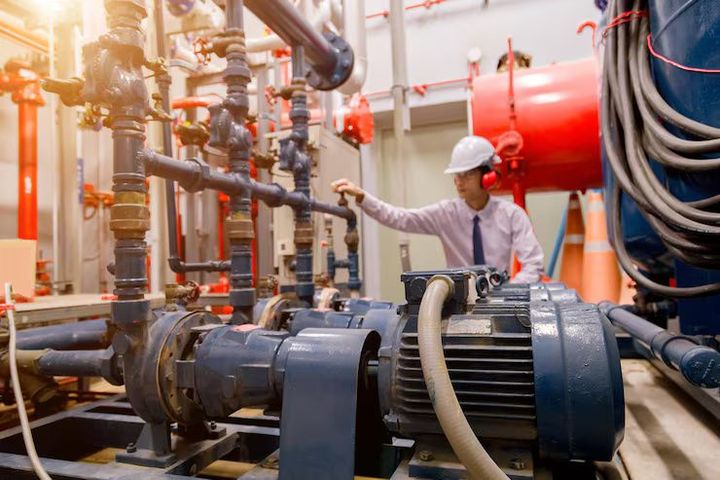
Exploring Modern Pump Engineering: Knowledge, Facts, and Helpful Resources for Better Understanding
Modern pump engineering focuses on the design, operation, and study of mechanical devices that move liquids or gases from one place to another. Pumps are widely used in water distribution, agriculture, manufacturing processes, and energy systems. The concept of pumping fluids has existed for centuries, evolving from simple manual devices to complex automated systems.
In modern infrastructure, pumps help maintain reliable fluid movement in pipelines, treatment facilities, and industrial equipment. Engineers study factors such as pressure, flow rate, efficiency, and materials to ensure pumps operate effectively under different conditions. Because fluids behave differently depending on temperature, viscosity, and pressure, pump engineering combines mechanical design with fluid dynamics principles.
Today, modern pump engineering knowledge also includes digital monitoring systems, predictive maintenance methods, and improved materials that help pumps operate more reliably in demanding environments.
Early Development of Pump Technology
The origins of pump engineering can be traced to ancient irrigation systems and water lifting devices. Early designs included simple hand-operated mechanisms used for agriculture and water transport.
Over time, technological progress introduced more advanced pump types, including:
- Positive displacement pumps: Devices that move fluid by trapping and pushing a fixed amount during each cycle.
- Centrifugal pumps: Machines that use rotating impellers to create fluid motion through centrifugal force.
- Axial flow pumps: Systems that move fluid parallel to the pump shaft, commonly used in large-scale water movement.
These developments formed the foundation for modern pump engineering practices.
Importance
Pump engineering plays a significant role in many aspects of daily life and industrial operations. Water supply systems, wastewater treatment plants, heating and cooling networks, and agricultural irrigation all rely on pumps to move fluids reliably.
Without properly designed pumps, many infrastructure systems would face interruptions in fluid distribution. Engineers must therefore ensure that pumps operate safely and efficiently in diverse environments.
Everyday Applications
Modern pump systems influence several sectors that affect communities and infrastructure. Some common applications include:
- Water distribution: Municipal water networks depend on pumps to deliver clean water across large distances and varying elevations.
- Agricultural irrigation: Pumps support crop irrigation by transporting groundwater or surface water to farming areas.
- Industrial processes: Manufacturing facilities often require pumps to circulate chemicals, oils, or cooling fluids.
- Energy systems: Power plants use pumps to circulate cooling water and maintain stable operating conditions.
Addressing Engineering Challenges
Pump engineers often work to address challenges related to reliability, efficiency, and environmental impact. Some common concerns include:
- Energy consumption in large pumping systems
- Wear and corrosion caused by harsh fluids
- System failures due to pressure imbalance
- Noise and vibration during operation
Understanding these challenges helps engineers design equipment that operates smoothly in long-term applications.
Recent Updates
Recent developments in pump engineering have focused on improving monitoring, efficiency, and system integration. Advances in digital technology allow operators to observe pump performance in real time through sensors and remote monitoring platforms.
These systems help detect issues such as abnormal vibration, temperature changes, or reduced flow rates. Early detection supports maintenance planning and reduces unexpected interruptions.
Smart Monitoring Systems
Digital monitoring technologies have become more common in modern pumping systems. These technologies typically include:
- Sensor networks: Devices that track vibration, pressure, and temperature.
- Data analytics platforms: Software that analyzes operational data to identify performance patterns.
- Remote monitoring dashboards: Interfaces that allow operators to observe system conditions from distant locations.
Such tools contribute to better operational awareness and improved maintenance planning.
Energy Efficiency Improvements
Energy efficiency has become an important focus in pump engineering. Many large facilities rely on pumps that run continuously, which can significantly influence energy usage.
Recent design improvements include:
- Variable speed drives that adjust pump speed according to system demand
- Advanced impeller designs that improve fluid movement efficiency
- Materials engineered to reduce internal friction and wear
These developments support more efficient fluid transport systems.
Emerging Materials
New materials and coatings are increasingly used to protect pumps from corrosion, abrasion, and chemical exposure. Improved materials can extend equipment lifespan and reduce maintenance needs.
Common material developments include:
- Composite materials resistant to corrosion
- Ceramic coatings for abrasion protection
- Stainless steel alloys for harsh environments
Laws or Policies
Pump engineering is influenced by regulations and technical standards designed to ensure safety, environmental protection, and reliable infrastructure. These regulations vary by country but generally focus on equipment performance, environmental compliance, and workplace safety.
Government agencies and regulatory bodies often establish guidelines for water management systems, industrial equipment operation, and energy efficiency.
Environmental Regulations
Many regulations focus on protecting natural resources and reducing environmental impact. For example, water management policies may regulate pumping systems used in groundwater extraction or wastewater treatment.
Common regulatory considerations include:
- Limits on groundwater extraction rates
- Requirements for wastewater handling and treatment
- Standards for equipment emissions and noise levels
Technical Standards
Engineering standards help ensure consistent design and testing procedures for pumps. Organizations such as the International Organization for Standardization and the American Society of Mechanical Engineers publish guidelines related to mechanical equipment and fluid systems.
These standards often cover topics such as:
- Pump performance testing
- Mechanical safety requirements
- Material durability and reliability
Following standardized guidelines helps engineers design systems that operate safely in different environments.
Tools and Resources
Several technical tools and educational resources support learning and research in pump engineering. These tools help engineers and students analyze fluid behavior, evaluate pump performance, and understand system design principles.
Educational Platforms
Online learning platforms provide structured courses related to fluid mechanics and pump design. For example, platforms such as Coursera and edX include engineering courses that explain the principles behind pumping systems.
These courses often cover topics like fluid dynamics, mechanical systems, and industrial equipment operation.
Engineering Software Tools
Specialized engineering software helps simulate fluid movement and evaluate pump performance before physical installation.
Common tools used in pump engineering include:
- Fluid simulation software: Used to analyze flow patterns inside pipes and pump components.
- Performance calculators: Tools that estimate flow rate, pressure, and efficiency values.
- Design modeling platforms: Programs that assist with creating and testing mechanical components.
Data and Reference Resources
Researchers and engineers often consult technical databases and publications for reliable information. Some useful reference sources include:
- Engineering textbooks on fluid mechanics
- Technical publications from research institutions
- Equipment performance manuals
Example Pump Types and Applications
| Pump Type | Typical Application | Fluid Movement Method |
|---|---|---|
| Centrifugal Pump | Municipal water supply | Rotating impeller creates centrifugal force |
| Positive Displacement Pump | Chemical processing | Fluid pushed through chambers |
| Axial Flow Pump | Flood control systems | Fluid moves parallel to shaft |
| Submersible Pump | Groundwater extraction | Pump operates below fluid surface |
This table illustrates how different pump designs are used in specific applications depending on fluid characteristics and system requirements.
FAQs
What is modern pump engineering?
Modern pump engineering is the study and design of mechanical systems that move liquids or gases efficiently. It combines principles from fluid mechanics, mechanical design, and system monitoring to support infrastructure and industrial processes.
Why is pump engineering important in water systems?
Pump engineering helps maintain reliable water distribution in municipal networks, irrigation systems, and treatment facilities. Proper pump design ensures fluids move at appropriate pressure levels through pipelines and storage systems.
What are the main types of pumps used in engineering?
Common pump types include centrifugal pumps, positive displacement pumps, and axial flow pumps. Each type is designed for specific fluid movement conditions and system requirements.
How does modern pump engineering use digital technology?
Digital sensors and monitoring systems track operational data such as pressure, vibration, and temperature. These technologies help engineers identify potential issues early and maintain stable system performance.
Where can someone learn more about pump engineering knowledge?
Educational platforms, engineering textbooks, and technical publications provide information about pump engineering principles. Online courses and simulation tools also help learners understand how pumping systems operate.
Conclusion
Modern pump engineering plays an essential role in water management, industrial systems, and infrastructure development. By combining mechanical design with fluid dynamics knowledge, engineers create equipment that moves liquids and gases efficiently. Recent developments include digital monitoring technologies, improved materials, and energy efficiency improvements. Regulations and engineering standards help guide safe and responsible pump system operation. Understanding pump engineering concepts provides insight into how many essential systems function in everyday life.